

GMC C3500 (1988-1995) Oxygen Sensor: A Complete Replacement Guide
Get your GMT400 truck running right by understanding how to choose and replace your oxygen sensor.
- Most 1988-1995 C3500s have only one upstream oxygen sensor.
- Choose a direct-fit sensor from a quality brand like Delphi, Denso, or NGK for best results.
- The most difficult part of the job is often removing the old sensor without damaging the threads in the exhaust pipe.
- A bad O2 sensor can trigger OBD-I codes 13 (open circuit), 44 (lean exhaust), or 45 (rich exhaust).
Is Your Oxygen Sensor Failing?
A bad oxygen sensor can cause a number of problems with your truck. Because these sensors operate in the harsh environment of your exhaust, they wear out over time and need to be replaced. Ignoring a failing sensor can lead to more expensive repairs down the road, including damage to your catalytic converter.
Common Failure Symptoms
- Check Engine Light: This is the most common sign. On these older trucks, you may see OBD-I codes like 13, 44, or 45.
- Poor Fuel Economy: If the sensor fails, the engine computer may default to a rich fuel mixture, causing you to use more gas.
- Rough Idle or Misfires: An incorrect air/fuel mixture can cause the engine to run poorly, especially at idle.
- Failed Emissions Test: A bad O2 sensor is a very common reason for failing a smog check.
- Rotten Egg Smell: A strong sulfur smell from the exhaust can indicate a rich fuel mixture that the catalytic converter is struggling to process.
Choosing the Right Aftermarket O2 Sensor
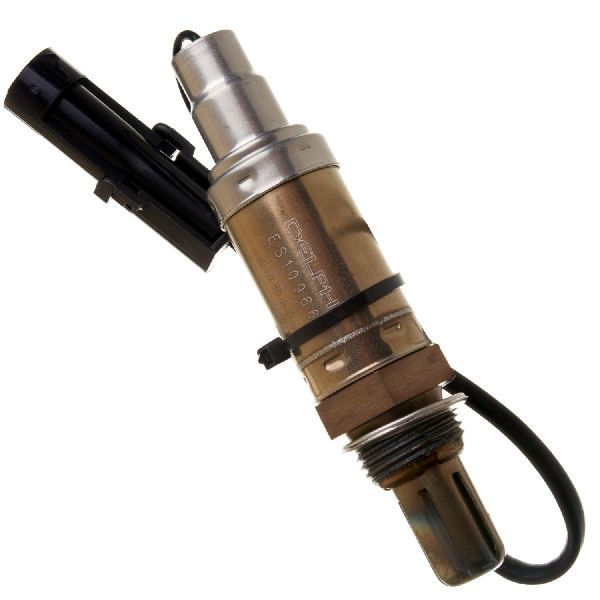
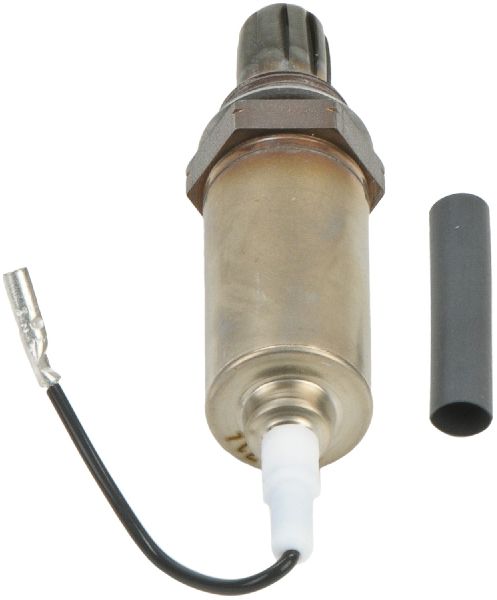
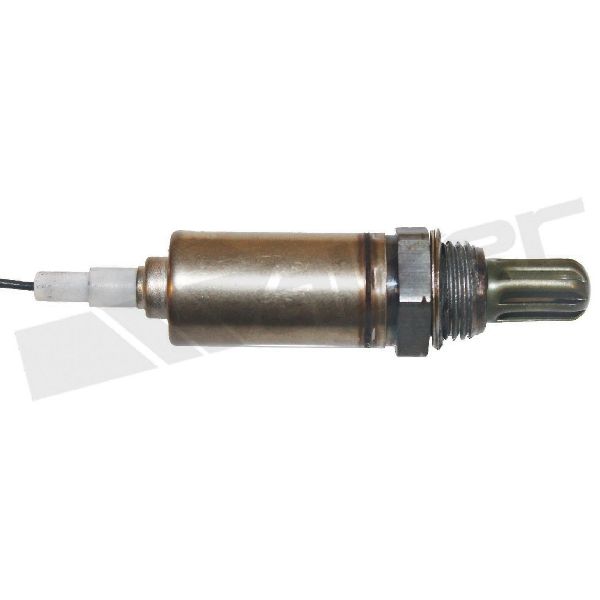
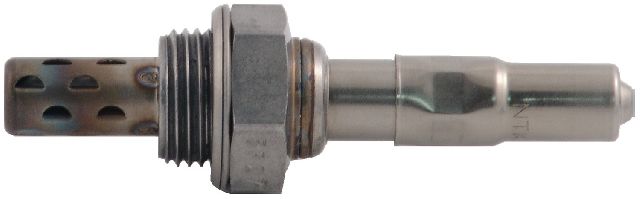
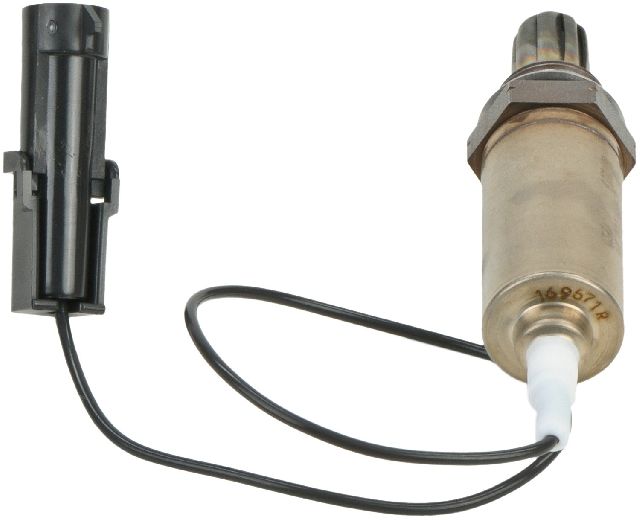
For a 1988-1995 GMC C3500, you don't need to pay for a dealer part. Several high-quality aftermarket brands offer excellent performance and value. The key is to choose a 'direct-fit' sensor, which comes with the correct plug for your truck's wiring harness and avoids any cutting or splicing. Most of these trucks use a simple one-wire or three-wire sensor.
Brand Quality Tiers
- Tier 1 (OEM Quality): Delphi, Denso, NGK (also sold as NTK). These brands are often the original equipment manufacturers for GM. Many owners report that new AC Delco parts are often re-boxed Denso or NGK sensors. These are highly recommended for reliability and proper function with the original engine computer.
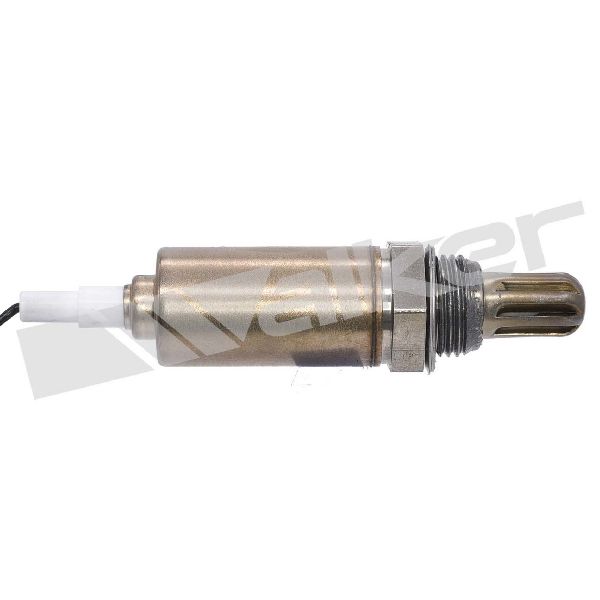
- Tier 2 (Quality Aftermarket): Bosch, Walker Products. Bosch is a massive sensor manufacturer that invented the O2 sensor. While some GM owners have reported issues with Bosch sensors on newer vehicles, they are generally considered a solid choice for this era of truck. Walker is a well-regarded aftermarket exhaust and emissions component company.
- Tier 3 (Value): DriveWire. This brand represents a budget-friendly option for owners looking for the most affordable fix.
Installation Pro-Tip
The biggest challenge when replacing an O2 sensor on an older truck is removing the old one. It can be seized in the exhaust pipe. Let the truck run for a few minutes to warm up the exhaust, then spray the sensor's base with penetrating oil and let it soak. Use a special O2 sensor socket, which has a slot for the wire, to get the best grip. The new sensor should come with anti-seize compound on the threads—if not, apply a small amount to the threads only, avoiding the sensor tip.
Cost of Replacing an Oxygen Sensor
The cost is very reasonable for this part, especially if you do the work yourself. The part itself is affordable, and labor is minimal if the old sensor isn't seized.
| Item | Cost Range |
|---|---|
| New Aftermarket Part | $28.13 - $87.03 |
| New OEM Part (AC Delco) | $27 - $90 |
| Shop Labor | $60 - $150 |
| Total Professional Replacement | $88 - $237 |
Frequently Asked Questions (FAQ)
How many oxygen sensors does my 1988-1995 C3500 have?
For most of this generation, which uses a TBI fuel system, your truck will only have one oxygen sensor. It is located in the exhaust pipe, usually just after the pipes from each side of the engine merge (the y-pipe), but before the catalytic converter.
What's the difference between a universal and direct-fit sensor?
A direct-fit sensor has the correct electrical connector to plug right into your truck's harness. A universal sensor requires you to cut the old plug off and splice it onto the new sensor's wires. Given the small price difference, a direct-fit sensor is always recommended to avoid wiring mistakes.
Do I need a special tool for the job?
It is highly recommended. An oxygen sensor socket is a deep socket with a cutout on the side for the wire to pass through. While you might be able to use a standard wrench, the socket provides a much better grip on the sensor, reducing the chance of stripping it, especially if it's stuck.
Can an exhaust leak cause a bad O2 sensor code?
Yes. An exhaust leak before the O2 sensor can suck in fresh air. The sensor will read this extra oxygen and think the engine is running lean, triggering a lean code (like Code 44) and causing the computer to add too much fuel. Always fix exhaust leaks before replacing sensors.
Technical Specifications
OEM Part Numbers: AFS21 AFS74
Most models in this year range use a single-wire or three-wire, non-heated or heated, upstream oxygen sensor. The sensor is located before the catalytic converter. Always verify the number of wires and connector type before purchasing.
We Have This Part in Stock

The information in this article is provided for general reference and educational purposes only. Vehicle specifications, procedures, and part compatibility can vary by production date, trim level, and region. Always consult your vehicle's factory service manual and verify part numbers before purchasing or performing repairs. Safety-critical components such as airbags, seat belts, and braking systems should be installed by a qualified professional.
- GMC C3500: