

Catalytic Converter Guide for the 1988-1995 GMC K2500
Everything you need to know about replacing the catalytic converter on your GMT400-era truck.
- Check your state's emissions laws before buying; you may need a specific CARB-compliant part.
- For DIY replacement, choose a direct-fit model to avoid welding.
- Expect to deal with significant rust on the exhaust bolts; a torch and new hardware are often necessary.
- Fix any engine oil leaks or misfires before installing a new converter to prevent premature failure.
Is Your K2500's Catalytic Converter Failing?
The catalytic converter on the 1988-1995 GMC K2500 is a simple but tough part. However, after decades of service, it can fail. The most common failures are clogging, where the internal honeycomb structure melts or breaks apart, or the catalyst materials simply wear out and stop working effectively. An engine that's running poorly, burning oil, or misfiring can quickly destroy a new converter by sending unburned fuel into the exhaust, causing it to overheat.
Symptoms of a Bad Catalytic Converter
If your K2500's converter is going bad, you'll likely notice one or more of these signs:
- Sluggish Performance: The truck may feel weak, especially when accelerating or climbing hills. This is a classic sign of a clogged converter creating too much backpressure.
- Rotten Egg Smell: A strong sulfur or rotten egg smell from the exhaust means the converter isn't processing the gases correctly.
- Rattling Noises: If you hear a rattling sound from under the truck, it could be the converter's internal structure breaking apart.
- Check Engine Light: On 1995 models, which may have a more advanced OBD-I system, a failing converter can sometimes trigger a check engine light. For most trucks in this year range, however, you may not get a specific light for the converter itself.
A Note on Emissions Laws
Before buying a new converter, check your local and state laws. States like California and Colorado require specific CARB-compliant converters, even for older vehicles. Most other states allow for EPA/Federal compliant converters, which are less expensive. Installing the wrong type can cause you to fail an emissions inspection. Federal law prohibits removing a converter and replacing it with a straight pipe.
Choosing the Right Aftermarket Converter
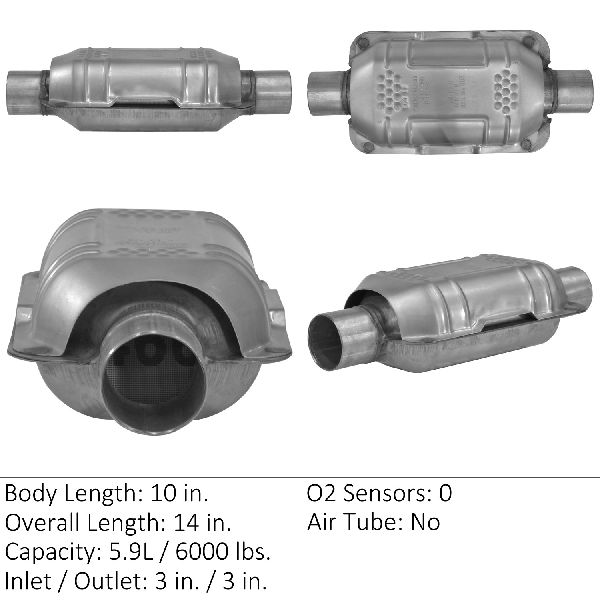
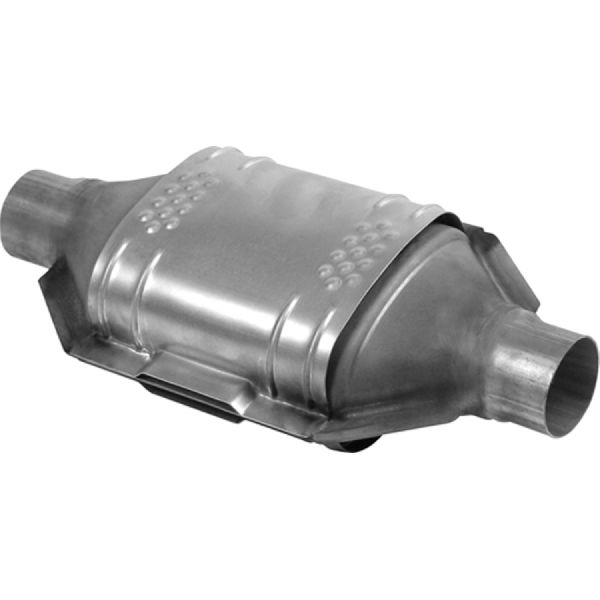
For a vehicle of this age, an aftermarket converter is the most common and cost-effective choice. They are typically categorized as either direct-fit or universal.
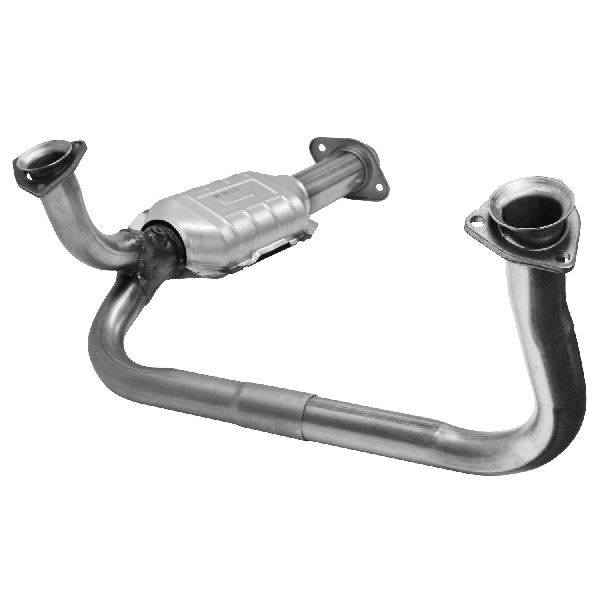
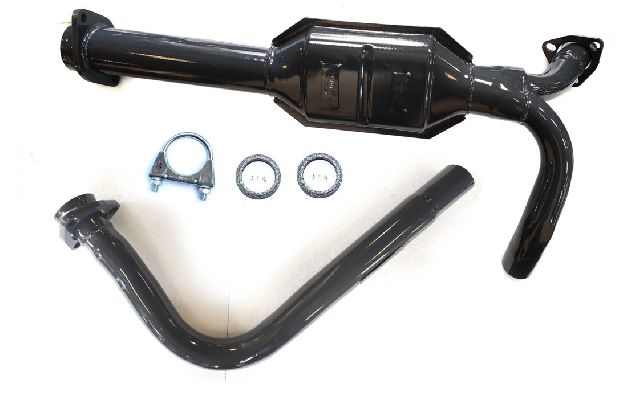
- Direct-Fit: These are designed to bolt right into your K2500's existing exhaust system with minimal or no modifications. This is the best choice for a DIY-er.
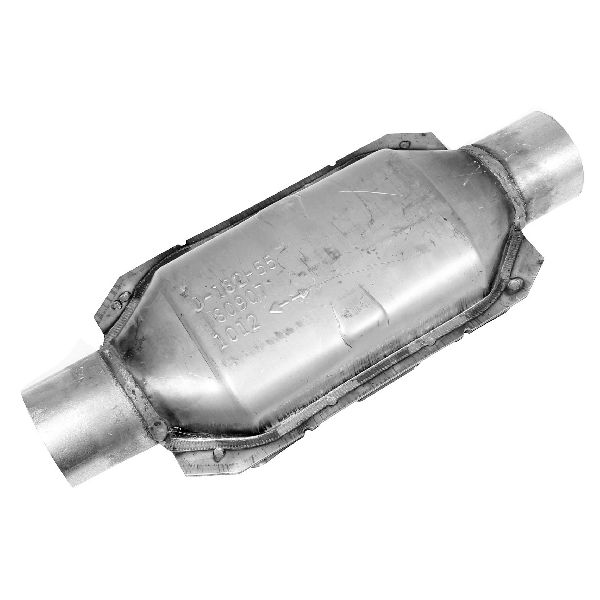
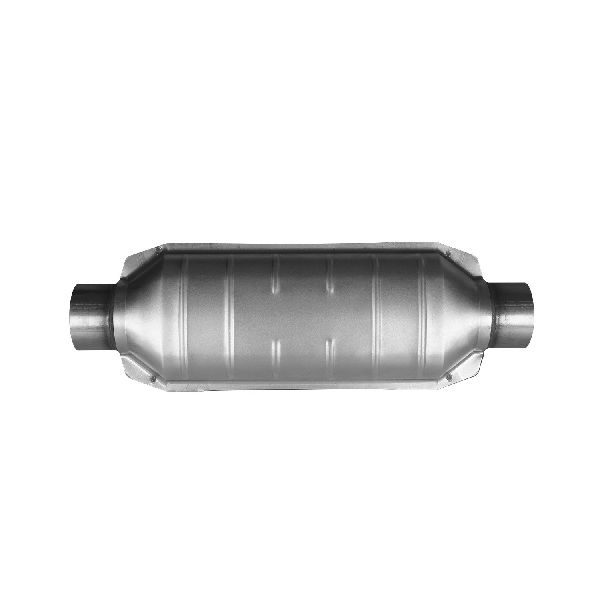
- Universal: These are cheaper but require cutting and welding to fit, making them a job for a professional exhaust shop or a skilled welder.
Here’s a breakdown of the available brands:
Tier 1: Premium & Performance
- MagnaFlow / MagnaFlow Performance Exhaust: Often considered a top-tier aftermarket brand, MagnaFlow converters are known for their stainless steel construction and durability. They offer both EPA and CARB-compliant models. While they are more expensive, they have a good reputation for quality and longevity.
Tier 2: Standard Replacement
- Walker Exhaust: Walker is a well-respected name in exhaust parts and offers a solid, reliable replacement that is often more affordable than MagnaFlow. They are a popular choice for owners looking for a balance of quality and cost.
Tier 3: Economy Options
- AP Exhaust, Eastern Catalytic, Evan Fischer, Original Performance: These brands provide a budget-friendly solution to get your truck back on the road and pass emissions. While they meet the basic requirements, some user reviews suggest potential issues with fitment or longevity compared to premium brands. They can be a good choice if budget is the primary concern for an older, secondary vehicle.
Pro Tip: Fix the Root Cause
A catalytic converter rarely fails on its own. Before you install a new one, make sure your K2500's engine is in good health. Address any oil leaks, coolant leaks, or ignition misfires first. Failing to do so can cause your new converter to fail in a short amount of time.
Cost to Replace a 1988-1995 GMC K2500 Catalytic Converter
| Item | Estimated Cost |
|---|---|
| New Aftermarket Part | $85.57 - $1,022.99 |
| Shop Labor | $150 - $400 |
| Total Estimated Cost | $235 - $1,423 |
Cost estimates are for the part and professional installation and can vary based on location, the specific part chosen, and the condition of your vehicle's exhaust. Rust can significantly increase labor time.
Frequently Asked Questions
Do I need a direct-fit or universal converter?
For a DIY installation, a direct-fit converter is highly recommended. It is designed to bolt on without welding. A universal converter is cheaper but will require professional cutting and welding, adding to the labor cost.
Does my 1988-1995 K2500 need a CARB-compliant converter?
It depends on where you live. If you are in California, Colorado, or New York, you will likely need a CARB-compliant converter to pass emissions tests. For most other states, a less expensive Federal/EPA-compliant model is acceptable for vehicles of this age. Always check your current local regulations before purchasing.
Why is my truck so loud after the converter was stolen?
The catalytic converter also acts as a muffler, quieting the exhaust noise. When it's removed, the exhaust exits directly from the engine, making it extremely loud.
The bolts are rusted solid. How do I get them off?
This is a very common problem on older trucks. Generously apply penetrating oil to the bolts for a few days before attempting removal. A torch is often needed to heat the nuts and bolts to break them free. Be prepared to replace the old hardware, as it's common for bolts to snap during removal.
Technical Specifications
Varies by engine size (5.0L, 5.7L, 7.4L) and drivetrain. Most systems use a Y-pipe design with the converter located after the manifolds. Converters for this generation typically do not have oxygen sensor ports.
We Have This Part in Stock

The information in this article is provided for general reference and educational purposes only. Vehicle specifications, procedures, and part compatibility can vary by production date, trim level, and region. Always consult your vehicle's factory service manual and verify part numbers before purchasing or performing repairs. Safety-critical components such as airbags, seat belts, and braking systems should be installed by a qualified professional.
- GMC K2500: