

GMC K2500 Distributor Ignition Pickup Guide for 1988-1995 Models
Everything you need to know about replacing the distributor pickup coil on your 1988-1995 GMC K2500 truck.
- A failing pickup coil is a common cause of stalling and no-start issues in 1988-1995 GMC K2500s.
- Replacement requires removing and disassembling the entire distributor, and you must reset the ignition timing afterward.
- Choosing a quality aftermarket brand like Delphi or Standard Ignition is crucial to avoid repeat failures.
- While you're inside the distributor, consider also replacing the ignition control module as a preventative measure.
Understanding the Ignition Pickup in Your K2500
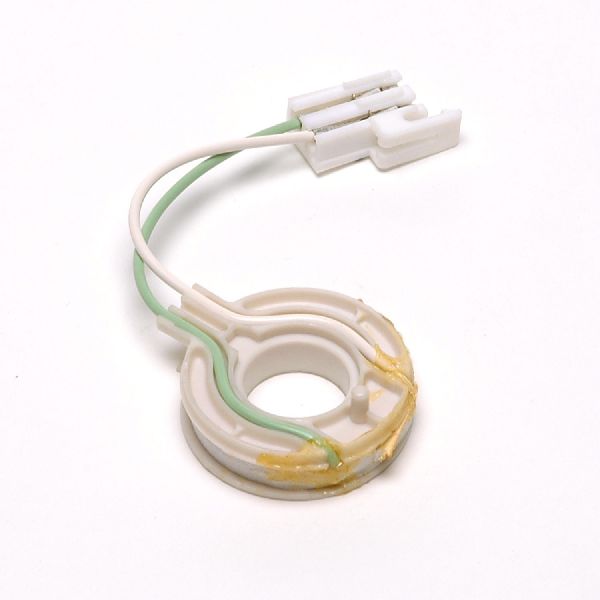
The distributor ignition pickup, or pickup coil, is the trigger for your truck's entire ignition system. It's a simple magnetic sensor located inside the distributor, underneath the cap and rotor. Its job is to generate a signal every time a metal tooth on the distributor shaft passes by. This signal goes to the ignition control module, which then fires the ignition coil, creating the high-voltage spark that ignites the fuel in your engine. When this small part fails, it can stop your entire engine.
Common Failure Symptoms
A failing pickup coil in these GMT400 trucks often causes problems that can be confusing. The symptoms usually appear as the part gets old and heat-sensitive. Here’s what to watch for:
- Engine Stalls Randomly: The most common sign is the engine shutting off for no reason while driving, almost as if you turned the key off. It often happens after the engine has warmed up.
- No-Start or Hard Start: The engine will crank but won't fire up. This happens because the pickup coil isn't sending a signal, so the ignition system doesn't know to create a spark.
- Rough Running and Misfiring: If the coil is failing intermittently, it can cause the engine to sputter, run rough, or misfire.
- Starts After Cooling Down: A classic symptom is the truck stalling and refusing to restart, but then starting up again after it has sat and cooled down for 30-60 minutes. This points to a heat-related failure in the coil's electronics.
Is It the Pickup Coil or Something Else?
These symptoms can also be caused by a bad ignition control module, which sits in the same distributor. The distributor itself is a known weak point on these trucks. Often, it's a good idea to replace the ignition control module at the same time as the pickup coil, as the labor to get to both is the same.
Choosing the Right Aftermarket Part
For a truck from this era, new OEM parts are often unavailable or extremely expensive. The aftermarket provides reliable options that meet or exceed original quality. The key is to choose a reputable brand to avoid doing the job twice.
Brand Quality Tiers for Your Truck:
- Tier 1: Delphi - Delphi was an original equipment (OE) manufacturer for General Motors, so their parts are made to the same standards as the factory originals. For a critical ignition component, choosing a brand with an OE background provides peace of mind.
- Tier 1: Standard Ignition (Standard Motor Products) - Standard is a well-respected aftermarket brand known for producing quality ignition and electrical components. Forum users often report good experiences with their parts, which are widely available.
When comparing parts, some mechanics like to look at the physical construction. In one comparison, a user noted differences in wire thickness between brands, opting for the one that appeared more robust. Both Delphi and Standard Ignition are solid choices for this repair.
| Item | Estimated Cost |
|---|---|
| New Aftermarket Pickup Coil (Delphi, Standard) | $28 - $30 |
| Shop Labor | $122 - $180 |
| Total Professional Replacement | $150 - $210 |
Costs are estimates and may vary based on your location and shop rates. The labor is significant because the entire distributor must be removed and disassembled.
Frequently Asked Questions (FAQ)
Can I replace just the pickup coil, or do I need a whole new distributor?
Yes, you can replace just the pickup coil. However, mechanics often recommend replacing the whole distributor assembly if it's old. The distributor shaft bushings and drive gear can also wear out. Given the labor involved, a new distributor with all new components (pickup coil, module, cap, rotor) can be a smart investment to prevent future issues.
Is this a difficult job to do myself?
This is a moderately difficult job. You must remove the distributor from the engine, which requires you to set the ignition timing afterward. The distributor itself must be taken apart on a workbench, which involves punching out a small roll pin to remove the drive gear. If you are comfortable with marking engine timing and using a timing light, it is a very doable DIY job.
Do I need any special tools?
You will need a set of punches to remove the roll pin from the distributor gear, a timing light to set the timing after reinstallation, and possibly a distributor wrench to reach the hold-down bolt. Standard hand tools like sockets and screwdrivers are also required.
Are there any recalls for this part on my truck?
No, there are no specific recalls for the distributor ignition pickup on the 1988-1995 GMC K2500. The widely publicized GM ignition recalls from the 2010s were for the ignition *switch* in the steering column on much newer cars and do not apply to your truck's distributor system.
Technical Specifications
This part is a magnetic reluctance sensor located inside the HEI distributor. It generates an AC voltage signal that is sent to the ignition control module.
We Have This Part in Stock


The information in this article is provided for general reference and educational purposes only. Vehicle specifications, procedures, and part compatibility can vary by production date, trim level, and region. Always consult your vehicle's factory service manual and verify part numbers before purchasing or performing repairs. Safety-critical components such as airbags, seat belts, and braking systems should be installed by a qualified professional.
- GMC K2500: