

GMC K2500 Starter Motor (1988-1995): A Guide to Replacement and Upgrades
If your K2500 just clicks or won't crank, your starter might be the problem—here's how to choose the right replacement.
- A 'click-no-crank' symptom is the most common sign of a failed starter on a K2500.
- Upgrading from the stock direct-drive starter to an aftermarket gear-reduction model is highly recommended for better torque and reliability.
- Heat soak is a major issue, especially for 7.4L V8s; a high-torque starter or heat shield is the best fix.
- Always check battery health and cable connections first, as loose or corroded wires can mimic starter failure.
Is Your K2500 Starter Failing?
A bad starter rarely fails without warning. For these GMT400-era trucks, the signs are often clear. Recognizing them can prevent you from being stranded.
Common Symptoms of a Bad Starter:
- Single Loud Click: You turn the key and hear one sharp click, but the engine doesn't turn over. This is the most common symptom, often caused by a faulty starter solenoid.
- No Crank, No Start: You turn the key, the dashboard lights come on, but nothing happens. The engine is silent and does not crank at all.
- Slow Cranking: The engine turns over much slower than usual, as if the battery is weak. If the battery is known to be good, the starter is likely drawing too much power due to internal wear.
- Grinding Noise: A grinding or whirring sound during or after cranking can indicate a damaged starter gear or a misalignment with the engine's flywheel.
- Intermittent Starting: The truck starts fine sometimes and fails to start at other times. This can be caused by worn internal components or loose electrical connections.
Pro Tip: Check the Basics First
Before condemning the starter, make sure your battery is fully charged and the terminals are clean and tight. Also, check the main ground cable and the connections at the starter solenoid itself. Loose or corroded wires can mimic the symptoms of a bad starter and are a common issue on these trucks.
Known Issues for the 1988-1995 GMC K2500
Owners of these trucks, especially those with the 7.4L (454) V8 engine, often battle a specific problem known as heat soak. The factory starter is located very close to the hot exhaust manifold. After a long drive, this heat can "soak" into the starter and its solenoid, increasing electrical resistance. This prevents the starter from getting enough power to crank the hot engine. The typical symptom is the truck refusing to start after it has been run up to operating temperature, but then starting normally after it has cooled down for 30-60 minutes.
Choosing the Right Aftermarket Starter
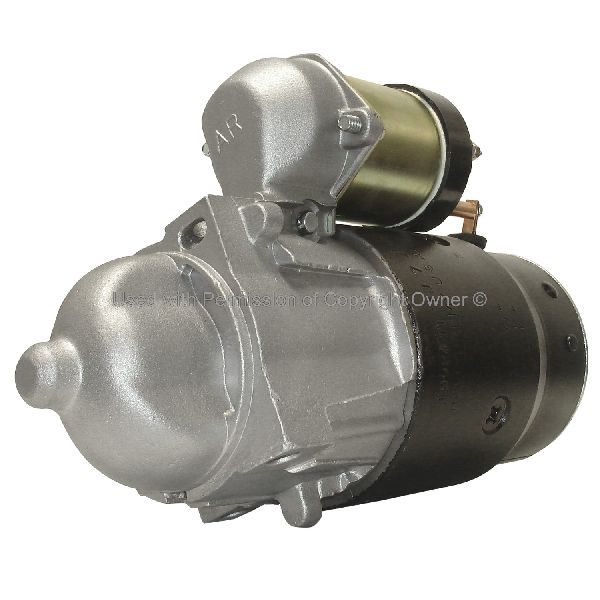
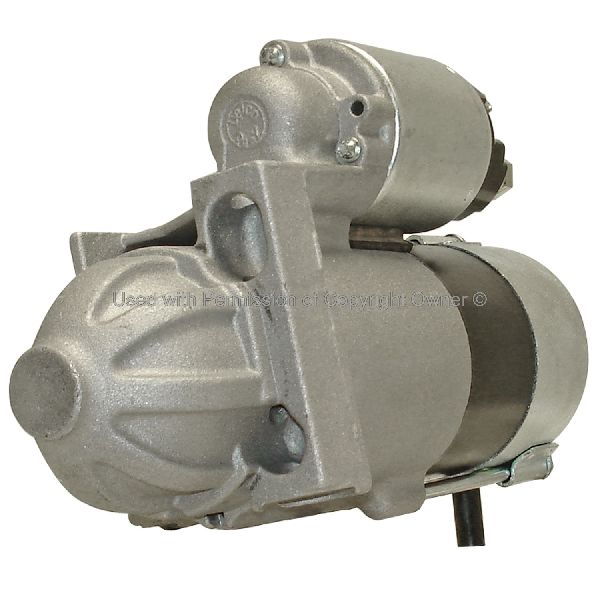
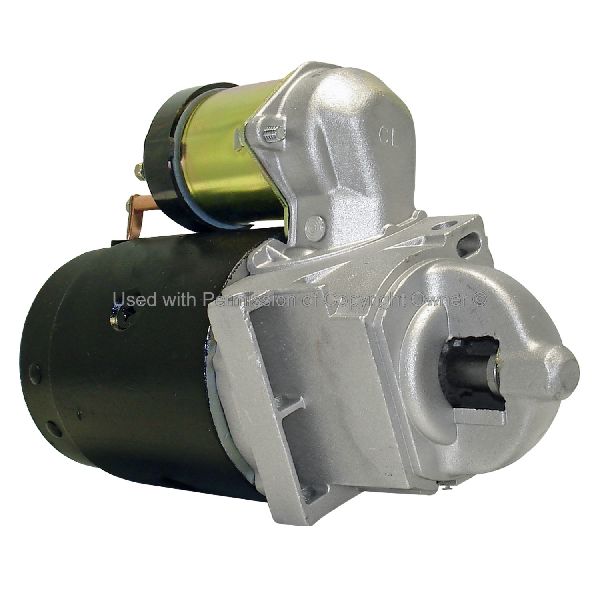
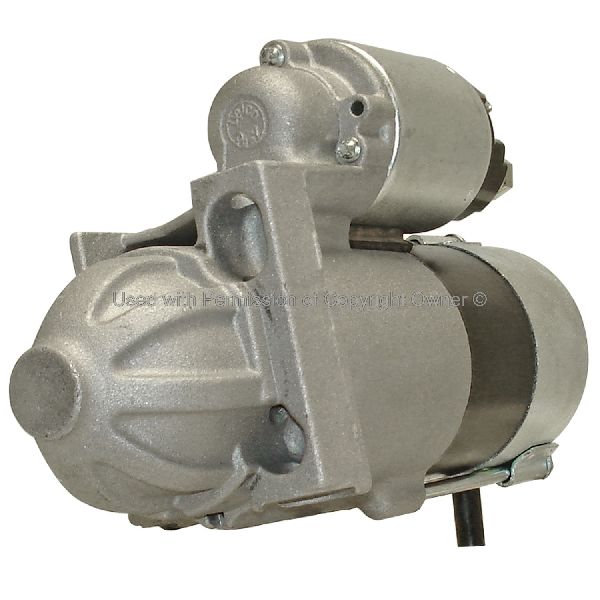
For a vehicle of this age, the original Delco-Remy direct-drive starters are outdated technology. Modern aftermarket starters offer significant advantages, particularly gear-reduction designs. These starters use internal gears to multiply the motor's torque, allowing them to be smaller, lighter, and more powerful while drawing less amperage from the battery. This makes them an excellent upgrade for any K2500, especially for solving heat soak and improving cold-weather starting.
Brand Tiers for Your K2500
Within the available brands, you can find options for every need and budget.
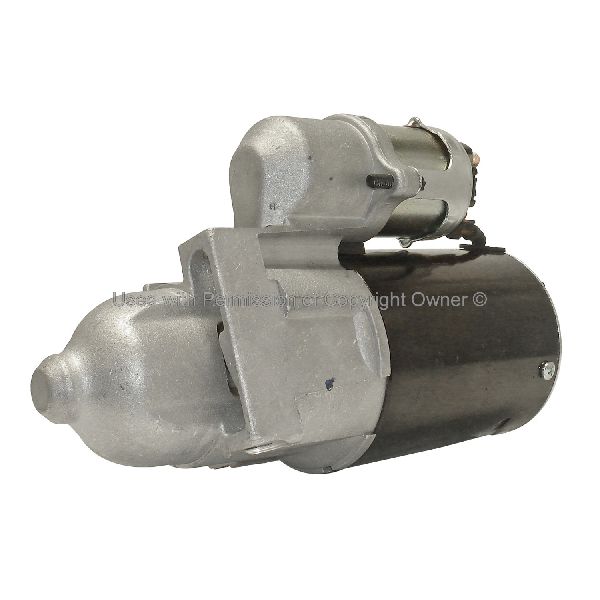
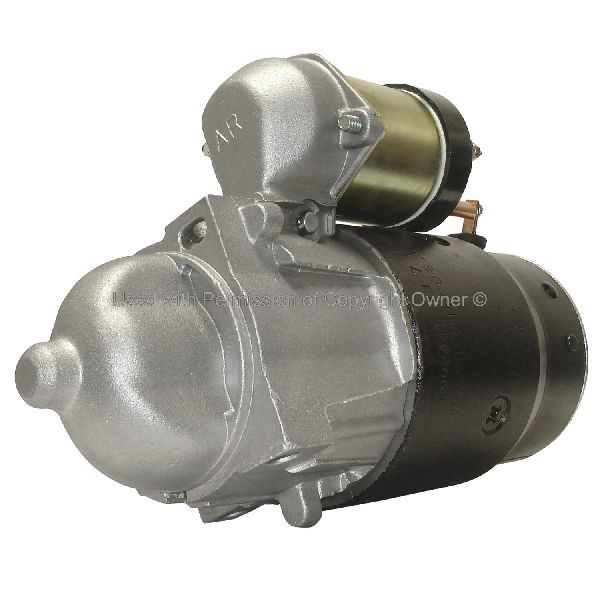
- Standard Replacement (MPA): For a stock truck used for daily driving or light hauling, a quality standard replacement starter is a great choice. Brands like MPA (Motor Parts of America) produce new starters designed to meet or exceed original specifications. They focus on durability with features like double-sealed bearings and high-quality lubricants, offering reliable performance for years.
- Heavy-Duty / Performance (Powermaster, Proform): If you have a modified engine, high compression, or are fighting heat soak, a high-torque gear-reduction starter is the best solution. Powermaster is a well-regarded brand in this category, known for powerful motors that provide reliable cranking under tough conditions. Proform also offers performance-oriented options. These starters provide the extra cranking power needed for big-block engines and are less susceptible to heat-related failures.
A Note on Installation and Shims
Replacing the starter on a K2500 is a manageable DIY job. However, these GM starters sometimes require shims—thin metal spacers—to achieve the correct distance between the starter gear and the engine flywheel. Improper spacing can cause grinding noises or damage to the new starter and flywheel. If your old starter had shims, you must reinstall them with the new starter.
| Part Type | Estimated Cost |
|---|---|
| New Aftermarket | $87.88 - $433.59 |
| Remanufactured Aftermarket | $75.00 - $250.00 |
| Used OEM | $45.00 - $70.00 |
| Shop Labor | $120.00 - $250.00 |
Frequently Asked Questions
Do I really need a high-torque starter?
If your truck is stock and you haven't had issues with heat soak, a standard replacement is likely sufficient. However, if you have a 7.4L engine, run headers, tow heavy loads, or have experienced hot-start problems, a high-torque starter from a brand like Powermaster is a worthwhile upgrade to solve the problem permanently.
What's the difference between a direct-drive and gear-reduction starter?
A direct-drive starter (like the factory original) has the motor shaft directly connected to the starter drive gear. A gear-reduction starter uses a set of gears between the motor and the drive gear. This allows the motor to spin faster and more efficiently, with the gears multiplying its force to produce more torque at the flywheel. This results in a smaller, lighter, and more powerful starter.
How do I know if it's the starter or the battery?
A simple test is to turn on your headlights and try to start the truck. If the headlights dim significantly or go out, your battery is likely weak. If the headlights stay bright but the engine just clicks or doesn't crank, the problem is more likely the starter. If a jump-start fails to turn the engine over, the starter is almost certainly the culprit.
Can I just replace the solenoid?
Yes, the solenoid can often be replaced separately. It's the component that commonly fails, especially due to heat soak. However, if the starter motor itself is old and has worn brushes or bearings, replacing only the solenoid is a temporary fix. Given the reasonable cost of a complete new aftermarket starter, which includes a new solenoid, replacing the entire unit is often the more reliable long-term repair.
Technical Specifications
OEM Part Numbers: 10465396 10465009 10465001 19136219 10465578 9000879
The original starter was a large, direct-drive unit. Aftermarket replacements are often gear-reduction designs, which are smaller, lighter, and provide higher torque. Common aftermarket specs include 1.6kW to 3.0HP power ratings and gear reduction ratios around 4:1. The starter mounts to the engine block with two bolts and may require shims for proper alignment.
We Have This Part in Stock

The information in this article is provided for general reference and educational purposes only. Vehicle specifications, procedures, and part compatibility can vary by production date, trim level, and region. Always consult your vehicle's factory service manual and verify part numbers before purchasing or performing repairs. Safety-critical components such as airbags, seat belts, and braking systems should be installed by a qualified professional.
- GMC K2500: