

Guide to the Power Steering Pump for the 1988-1995 GMC K3500
Solve steering noise and stiffness by understanding the right power steering pump for your heavy-duty truck.
- A whining noise when turning is the number one sign of a failing power steering pump or low fluid.
- Many K3500s have a Hydro-Boost brake system; a pump failure will make both steering and braking difficult.
- You must use a specific pulley puller/installer tool for this job; do not try to pry or hammer the pulley off.
- Always flush the system and consider replacing the old hoses with the new pump to prevent immediate contamination and future leaks.
Is Your Power Steering Pump Failing?
A bad power steering pump on a GMT400 truck like your K3500 will give you clear warning signs. Ignoring them can lead to a much tougher driving experience, especially at low speeds or when parking. If your pump also runs the Hydro-Boost brake system, a failure could increase your braking effort unexpectedly.
Common Symptoms:
- Whining or Groaning Noises: The most common sign is a distinct whining sound that gets louder when you turn the steering wheel. This is often caused by low fluid levels or air getting into the system.
- Stiff Steering: If turning the wheel suddenly requires a lot of muscle, especially at slow speeds, the pump is likely not producing enough pressure.
- Fluid Leaks: Finding reddish or dark fluid under the front of your truck is a tell-tale sign of a leak. Leaks can come from the pump itself, the reservoir O-ring, or the high-pressure lines connected to it.
- Slow Steering Response: If the steering feels delayed or unresponsive, it could be a sign that the pump is weak and failing to keep up.
Hydro-Boost Warning
Many K3500s use a Hydro-Boost system, where the power steering pump also powers the brakes. If your pump fails, you will not only lose steering assist but also your power brake assist. The brakes will still work, but will require significantly more pedal pressure to stop the truck.
Choosing the Right Aftermarket Pump
For a vehicle from this era, a new aftermarket pump is a practical and common choice. The quality of remanufactured parts can be inconsistent, so a new unit often provides better peace of mind.
Brand Tiers:
- Standard Replacement (Cardone, BBB Industries): These brands offer affordable, direct-fit replacements. They are a common choice for daily drivers and standard-use trucks. However, owner experiences with remanufactured units from these brands can be mixed; some work perfectly while others may fail prematurely. Opting for their "new" parts, rather than remanufactured, may offer more reliability.
- High-Performance (PSC Motor Sports): If you use your K3500 for heavy hauling, towing, or have larger-than-stock tires, a high-performance pump from a brand like PSC is a worthwhile upgrade. These pumps are built for durability and provide more consistent pressure under heavy loads, preventing steering fade and improving feel. They are a significant investment but solve many of the issues that cause standard pumps to fail.
Pro Tip: Flush Your System!
When you replace your pump, you MUST flush the entire power steering system to remove old, contaminated fluid and any metal debris from the failing pump. Skipping this step is a primary cause of premature failure in new pumps. Consider adding an in-line filter to the low-pressure return line to catch any remaining debris.
Estimated Replacement Costs
The cost to replace the power steering pump on your K3500 will vary based on the part quality and labor rates in your area.
| Item | Estimated Cost |
|---|---|
| New Aftermarket Pump | $80 - $400 |
| Shop Labor | $150 - $300 |
| Total Estimated Cost | $230 - $700 |
Frequently Asked Questions
Do I need a special tool to replace the pump?
Yes. You will need a specific power steering pump pulley puller/installer tool. The pulley is press-fit onto the pump shaft and cannot be removed safely with a standard gear puller or by prying. Most auto parts stores offer this tool as a rental.
Should I replace the hoses at the same time?
It is highly recommended. The rubber hoses degrade over time, becoming hard and brittle. A new pump will create full pressure, which can cause old, weak hoses to leak or burst. Replacing the high-pressure and return lines is a smart investment to prevent future problems.
What kind of fluid should I use?
Always use new, clean power steering fluid from a sealed container. Check the bottle to ensure it is compatible with GM vehicles. Some owners report better performance and longevity by using high-quality synthetic power steering fluid, which can offer better resistance to heat.
What is the proper way to bleed the system after installation?
After installing the new pump and filling the reservoir, leave the engine OFF. Raise the front wheels off the ground so they can turn freely. Turn the steering wheel from full lock to full lock at least 20 times. This forces air out of the system. Check the fluid level and top off as needed. Once you no longer see air bubbles in the reservoir, you can start the engine and repeat the process a few more times.
Technical Specifications
OEM Part Numbers: 19319245
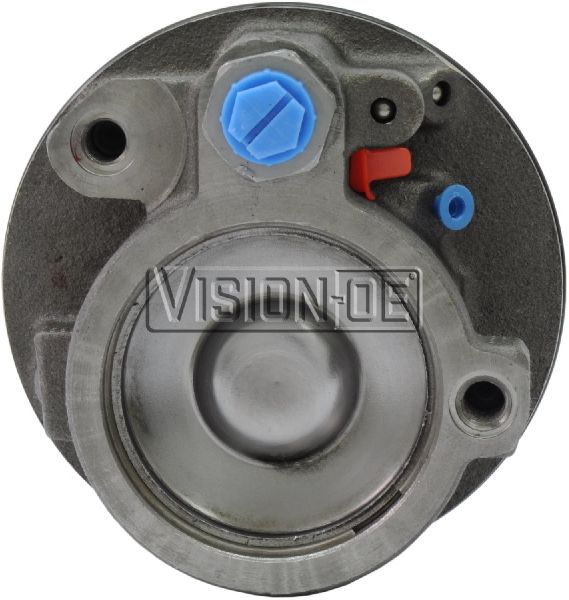
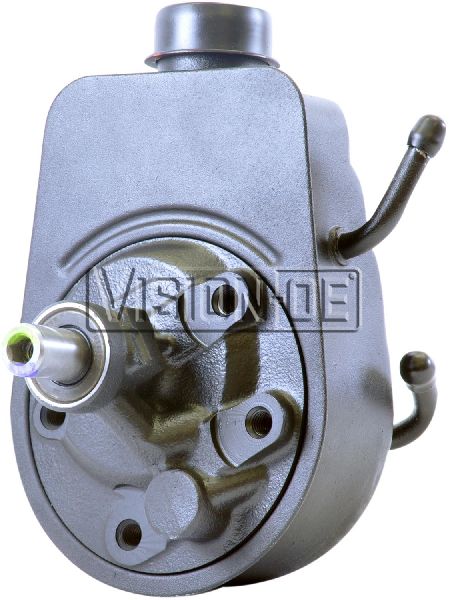
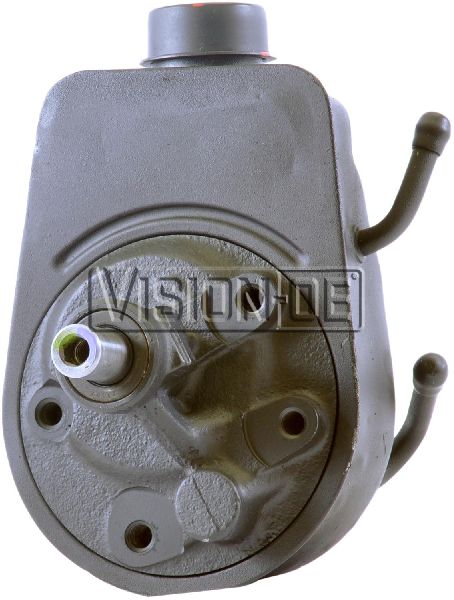
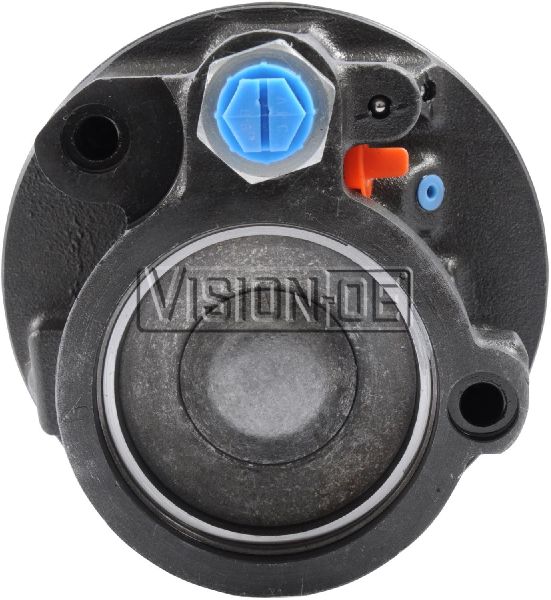
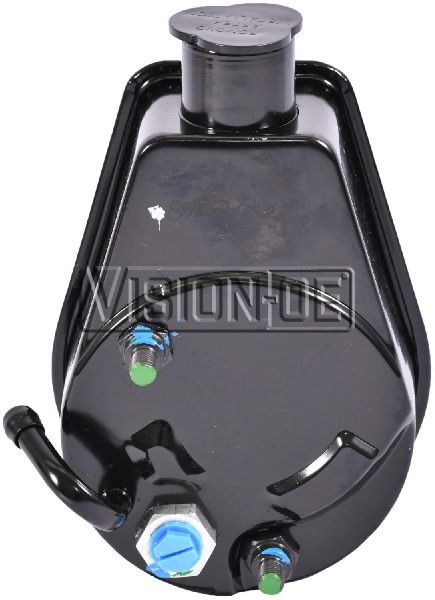
Press-on Pulley, Reservoir Included (typically), Saginaw-style pump
We Have This Part in Stock


The information in this article is provided for general reference and educational purposes only. Vehicle specifications, procedures, and part compatibility can vary by production date, trim level, and region. Always consult your vehicle's factory service manual and verify part numbers before purchasing or performing repairs. Safety-critical components such as airbags, seat belts, and braking systems should be installed by a qualified professional.
- GMC K3500: