

A Comprehensive Guide to 1988-1995 Lincoln Continental Engine Mounts
Eliminate engine vibrations and restore the smooth, luxurious ride your Continental was known for.
- Failed engine mounts are a common cause of vibrations and clunking noises on the 1988-1995 Continental.
- For best results, replace all engine and transmission mounts as a set, not just the one that failed.
- Aftermarket brands like Anchor and Westar offer a good balance of quality and value for this vehicle.
- While replacing mounts, inspect the subframe for rust, paying attention to the area covered by recall 98V-323.
Is Your Smooth Lincoln Ride a Shaky Memory?
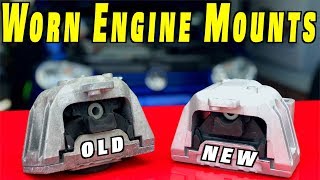
The 1988-1995 Lincoln Continental was built for comfort. If you're now feeling more vibrations through the steering wheel or hearing clunks from the engine bay, there's a good chance your engine mounts have failed. Over time, the rubber in the mounts cracks, breaks down, or becomes saturated with oil, losing its ability to absorb vibrations and secure the engine properly.
Symptoms of a Bad Engine Mount
Worn engine mounts on your Continental will make their presence known. Here are the common signs:
- Excessive Vibration: You'll feel a noticeable vibration at idle, especially when the car is in gear (Drive or Reverse). This is the most common symptom.
- Clunking or Thumping Noises: Loud clunks when you accelerate, decelerate, or shift gears are a clear sign the engine is moving too much due to a broken mount.
- Visible Engine Movement: Have a helper put the car in gear and press the brake, then gently press the accelerator. If you see the engine lurch or lift significantly, a mount has failed.
A Note on a Related Recall
While there are no specific recalls for the engine mounts themselves, it's important to know about NHTSA recall 98V-323. This recall was for corroded rear subframe mount plate nuts on 1988-1994 Lincoln Continentals in salt-belt states. This subframe is what the engine and transmission are mounted to. A failure here is serious and could affect steering control. While this recall is old, it highlights the importance of checking for corrosion on the entire subframe when inspecting your engine mounts.
Choosing the Right Aftermarket Mount
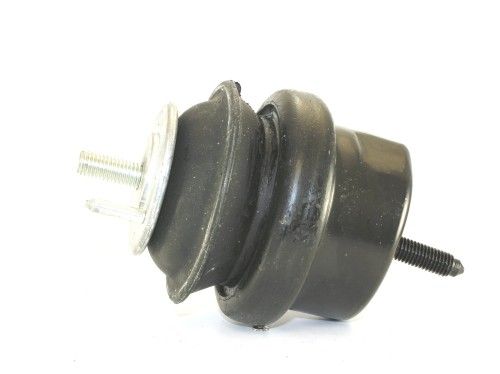
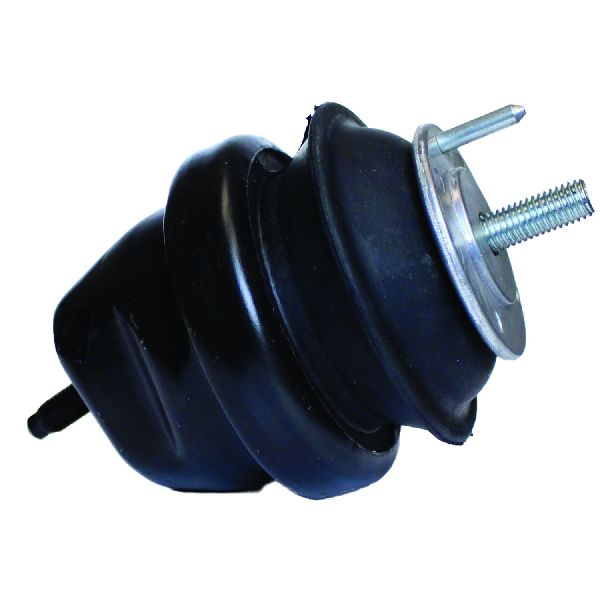
For a vehicle of this age, original equipment (OEM) mounts from Ford are likely unavailable or extremely expensive. The aftermarket is your most practical and affordable source for replacements. The available brands—Anchor, DEA, Pioneer, and Westar—are all established names in the aftermarket, but they fit into different quality tiers.
Good, Better, Best for Your Continental:
- Standard Replacement (Good): Brands like DEA and some entry-level Pioneer products offer a budget-friendly solution. They will get the job done and are a massive improvement over a completely failed mount. However, some mechanics and users report they may use harder rubber, which can transmit slightly more vibration than the original parts and may not last as long.
- Quality Replacement (Better): Anchor and Westar are generally considered solid, reliable choices for daily drivers. They are often seen as the go-to for a good balance of price, quality, and performance, closely mimicking the original mount's feel and durability.
Pro Tip: Replace in Sets
Your Continental has multiple engine and transmission mounts. If one has failed, the others have been under extra stress and are likely worn. For the best results and to avoid doing the job twice, it's highly recommended to replace all the mounts (engine and transmission) at the same time. Kits containing all necessary mounts are often available.
Cost of Replacing Engine Mounts on a 1988-1995 Lincoln Continental
| Part Type | Estimated Cost |
|---|---|
| New Aftermarket Mounts | $18 - $48 per mount |
| Shop Labor | $200 - $400 |
| Total Estimated Cost | $250 - $550 |
Note: Costs are estimates and can vary based on your location, the specific mounts needed, and the labor rates of your chosen repair shop.
Frequently Asked Questions
How many engine mounts does my Continental have?
The 3.8L V6 front-wheel-drive platform typically uses a system of three or four mounts to control the engine. This usually includes a front mount, a rear mount, a left-side transmission mount, and sometimes an upper torque strut mount (often called a "dog bone") to control twisting forces.
Can I replace just the one broken mount?
You can, but it's not recommended. A new mount paired with old, worn-out mounts will put uneven stress on the new part, causing it to fail prematurely. Replacing them as a set ensures a balanced, long-lasting repair.
Is this a difficult job to do myself?
This job is possible for an experienced DIY mechanic. It requires safely supporting the engine with a jack and a block of wood while you unbolt the old mounts and install the new ones. Access can be tight, and you'll need a good set of sockets and wrenches. If you are not comfortable supporting an engine, it is best to leave this job to a professional.
🎬 Watch a step-by-step guide on replacing engine and transmission mounts.Will an aftermarket mount feel different from the original?
It might. Economy-tier mounts sometimes use a harder rubber compound which can transmit a little more vibration into the cabin compared to the original soft hydraulic mounts. However, any new mount will be a significant improvement over a broken one. Quality brands like Anchor and Westar are designed to closely match the original feel.
Helpful Videos
Technical Specifications
OEM Part Numbers: E8OY-6F050-A E8OY-6038-C F4DZ-6068-B
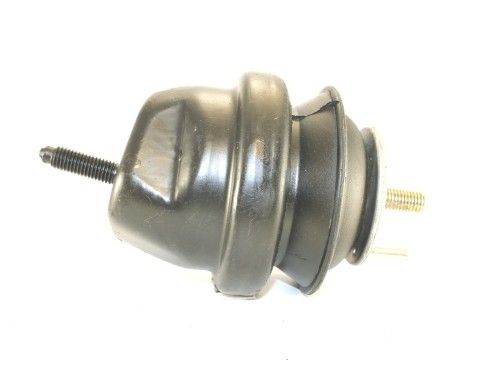
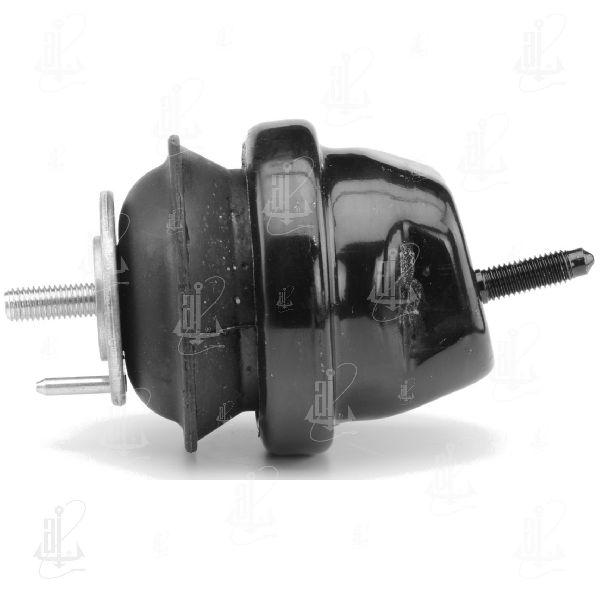
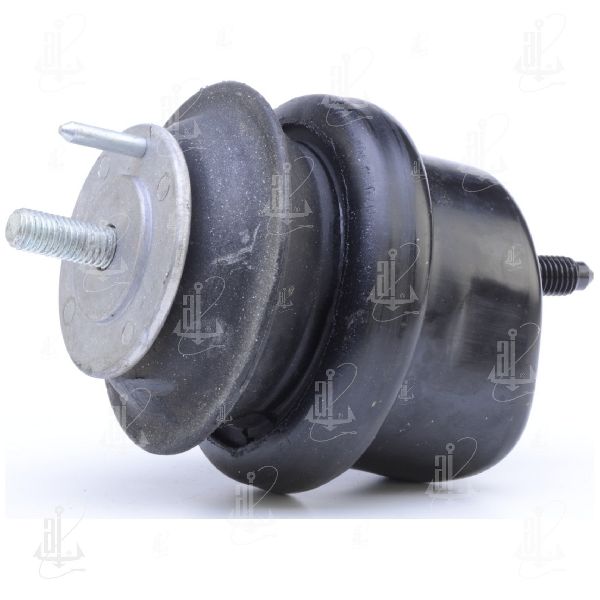
The 1988-1995 Lincoln Continental uses a transverse-mounted 3.8L V6 engine. The mounting system consists of several individual mounts, typically including front, rear, and transmission mounts, which may be solid rubber or hydraulic.
We Have This Part in Stock


The information in this article is provided for general reference and educational purposes only. Vehicle specifications, procedures, and part compatibility can vary by production date, trim level, and region. Always consult your vehicle's factory service manual and verify part numbers before purchasing or performing repairs. Safety-critical components such as airbags, seat belts, and braking systems should be installed by a qualified professional.
- Lincoln Continental:
- 🎬 Helpful Videos
- 🛍️ Shop This Part
- Is Your Smooth Lincoln Ride a Shaky Memory?
- Symptoms of a Bad Engine Mount
- A Note on a Related Recall
- Choosing the Right Aftermarket Mount
- Pro Tip: Replace in Sets
- Cost of Replacing Engine Mounts on a 1988-1995 Lincoln Continental
- Frequently Asked Questions
- 🎟️ Get 5% Off