

Choosing the Right Oxygen Sensor for Your 1988-1995 Mazda 929
Keep your classic 929 running smoothly and efficiently by understanding and replacing a faulty oxygen sensor.
- Stick with Denso or NGK/NTK brands for your Mazda 929 to ensure compatibility and avoid issues.
- A bad O2 sensor will cause poor fuel economy, a rough idle, and will likely make you fail an emissions test.
- Always buy a 'direct-fit' sensor with the correct plug; avoid 'universal' sensors that require wire splicing.
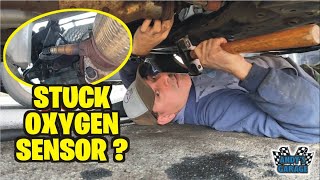
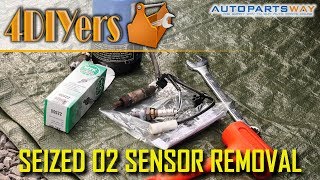
- If the sensor is stuck, use plenty of penetrating oil and a special O2 sensor socket to remove it without damage.
Is Your Mazda 929 Oxygen Sensor Failing?
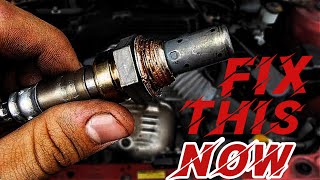
An oxygen sensor doesn't last forever. Contamination from oil, carbon buildup, and old age can cause it to fail. Since your 1988-1995 Mazda 929 is a pre-OBD-II vehicle, it doesn't have the same complex diagnostics as modern cars, but the symptoms of a bad O2 sensor are still clear. Ignoring them can lead to poor performance and even damage your expensive catalytic converter over time.
Key Symptoms of a Bad Oxygen Sensor:
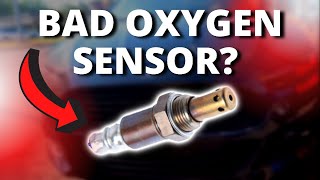
🎬 Watch: Full guide on identifying failing O2 sensor symptoms- Check Engine Light: This is the most common sign of a problem.
- Worse Gas Mileage: A bad sensor often makes the engine use too much fuel, so you'll fill up more often.
- Rough Idle or Misfires: Your engine may idle unevenly, hesitate, or misfire because the air-fuel mixture is wrong.
- Failed Emissions Test: A bad sensor can cause your car to release more pollutants, leading to a failed smog check.
- Rotten Egg Smell: You might notice a sulfur or gasoline smell from the exhaust, which is a sign of unburned fuel.
Choosing the Right Aftermarket O2 Sensor
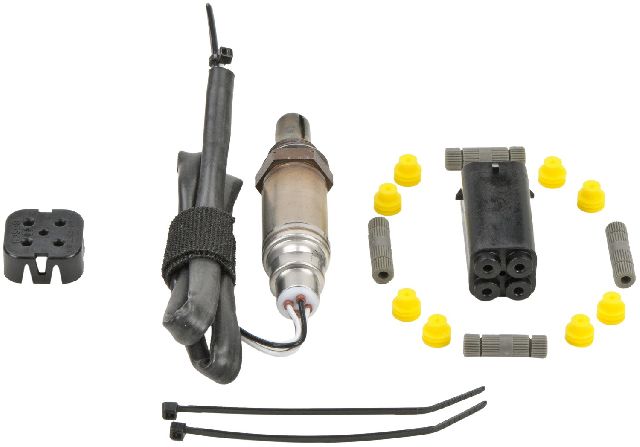
You don't need to go to a dealer for this part. High-quality aftermarket oxygen sensors provide the same performance for less money. However, for Japanese vehicles like your Mazda, brand choice is important to avoid problems. Always choose a direct-fit sensor with the correct electrical plug; do not use universal sensors that require cutting and splicing wires.
Brand Quality Tiers for Your 929
| Tier | Brands | Honest Assessment |
|---|---|---|
| 🏆 OEM-Equivalent | Denso, NGK (NTK) | These brands are the original manufacturers for most Japanese cars, including Mazda. Choosing Denso or NGK is the safest way to ensure perfect fit, compatibility, and long-term reliability without any check engine light issues. |
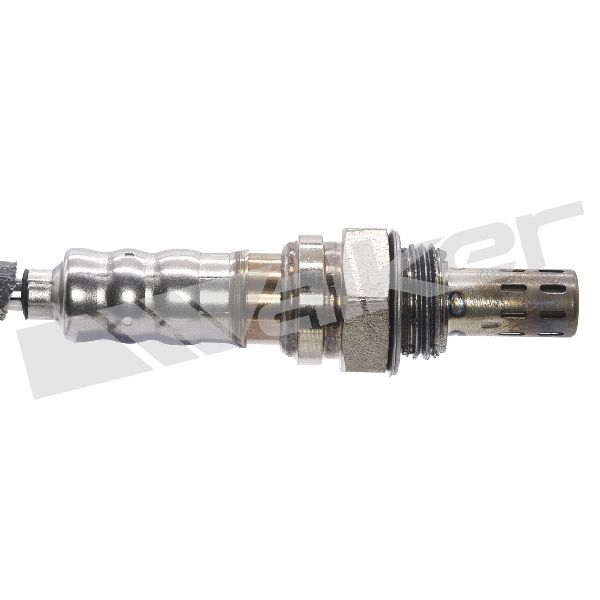
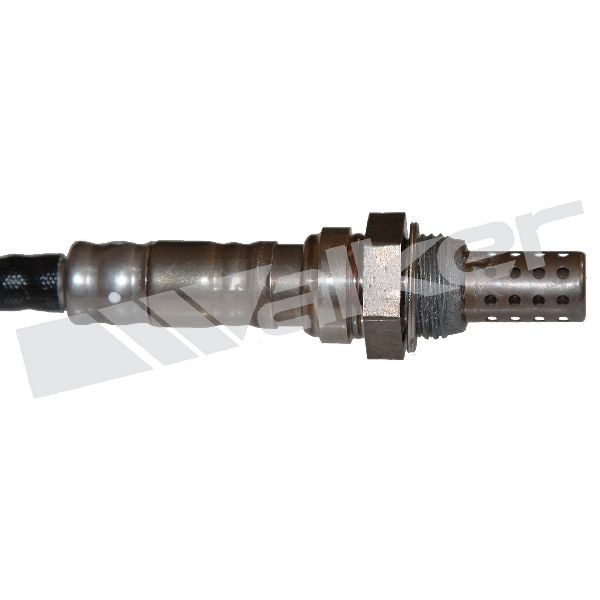
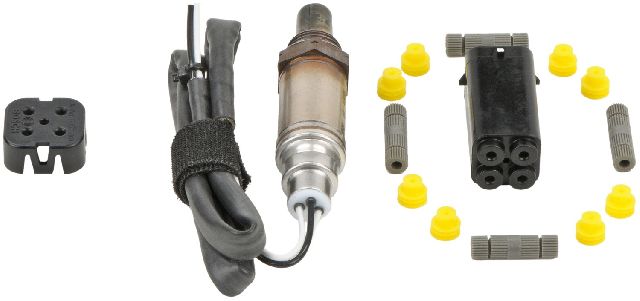
| 👍 Reputable Aftermarket | Bosch, Delphi, Walker Products | Bosch invented the O2 sensor, but some owners report compatibility issues when using their aftermarket sensors on Japanese cars. Walker is a solid choice that sometimes rebrands Denso parts. These are good options if an OEM-equivalent brand is not available. |
| 💰 Economy | DriveWire, Hella, Spectra | These brands offer the lowest price. They can be a solution if you're on a tight budget, but they may not last as long or perform as accurately as the higher-tier brands. For a critical sensor like this, it's usually worth spending a little more. |
How Many Sensors Does Your 929 Have?
Your vehicle's sensor count depends on the model year and engine. As pre-OBD-II cars, most 1988-1991 models likely have only one or two sensors in the exhaust manifold (called upstream sensors). The 1992-1995 models with the 3.0L V6 engine have at least two upstream sensors: one for the left bank and one for the right bank. It's rare for these cars to have downstream sensors (after the catalytic converter).
Pro Tip: Replacing a Seized Sensor
O2 sensors can get stuck in the exhaust pipe. To make removal easier, spray penetrating oil on the threads and let it soak for at least 15 minutes. If it's still stuck, carefully run the engine for a minute to warm up the exhaust, then try again—but be extremely careful to avoid burns. 🎬 See how to safely remove a seized O2 sensor A special O2 sensor socket is highly recommended to avoid damaging the sensor or wiring.
Frequently Asked Questions (FAQ)
Can I drive my Mazda 929 with a bad oxygen sensor?
Yes, but it's not recommended for long. Your car will run poorly, get bad gas mileage, and you risk damaging your catalytic converter, which is a much more expensive repair.
Where is the oxygen sensor located on a 1988-1995 Mazda 929?
The sensor(s) are located "upstream," meaning they are screwed into the exhaust manifold or the exhaust pipe before the catalytic converter. On V6 models from 1992-1995, there will be one for each side of the engine (Bank 1 and Bank 2).
Should I replace all oxygen sensors at the same time?
It is a good idea. Oxygen sensors age at a similar rate. If one has failed, the other may not be far behind. Replacing them together ensures the engine computer gets consistent readings from both sides of the engine (on V6 models).
Do I need to buy an expensive OEM sensor from Mazda?
No. An aftermarket sensor from an OEM-equivalent brand like Denso or NGK will perform identically to the dealer part for a lower price. Just be sure to get a direct-fit model, not a universal one.
Helpful Videos

Technical Specifications
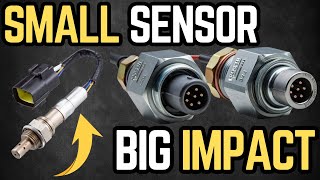
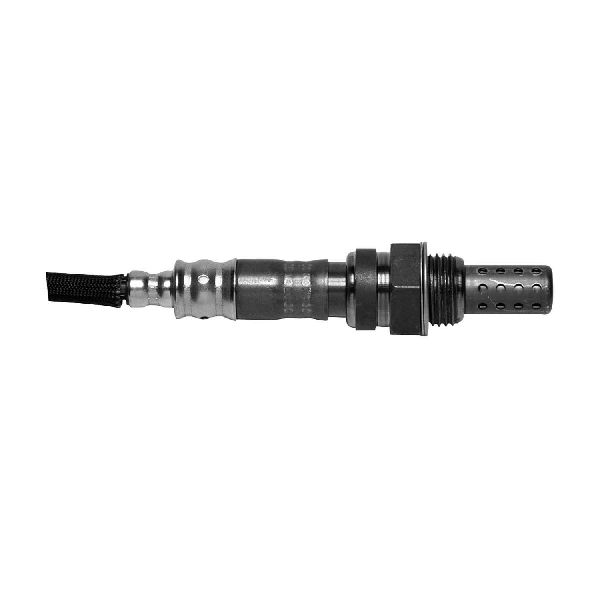
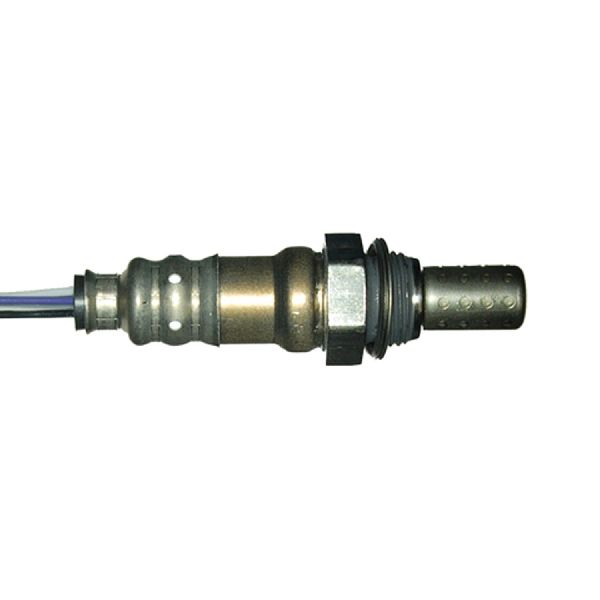
The 1992-1995 3.0L V6 models use heated, 4-wire, narrow-band sensors with a specific square connector. The thread size is typically M18x1.5. Earlier models may use a simpler unheated sensor.
We Have This Part in Stock

The information in this article is provided for general reference and educational purposes only. Vehicle specifications, procedures, and part compatibility can vary by production date, trim level, and region. Always consult your vehicle's factory service manual and verify part numbers before purchasing or performing repairs. Safety-critical components such as airbags, seat belts, and braking systems should be installed by a qualified professional.
- Mazda 929: