

A Guide to Selecting Spark Plugs for the 1988-1995 Mazda 929
Keep your 929's V6 engine running strong by choosing the right spark plugs for your specific year.
- Stick with OEM-equivalent brands like NGK and Denso for the best reliability and performance.
- The job is significantly harder on 1992-1995 DOHC models due to the intake manifold placement.
- Always verify the spark plug gap is 0.044 inches before installation.
- Be aware of a recall for the ignition switch on 1993-1995 models, which can mimic spark-related starting issues.
Symptoms of Failing Spark Plugs in a Mazda 929
When your spark plugs are nearing the end of their life, your 929 will usually let you know. You might notice one or more of these common signs:
- Rough Idling: The engine may shake or vibrate more than usual when you're stopped.
- Engine Misfires: You might feel a hesitation or stumble during acceleration, and the Check Engine Light may come on. A common issue is oil leaking from old valve cover gaskets into the spark plug wells, which can cause misfires.
- Poor Fuel Economy: If you're stopping for gas more often, worn plugs could be the cause, as they lead to inefficient fuel burning.
- Slow Acceleration: A noticeable loss of power or a sluggish feeling when you press the gas pedal is a key symptom.
- Difficulty Starting: Worn plugs can have trouble creating a strong enough spark to start the engine, especially when cold.
Choosing the Right Aftermarket Spark Plugs
For Japanese vehicles of this era, including the Mazda 929, certain brands are known for their reliability and compatibility. Not all spark plugs are created equal, and picking the right one can save you from future headaches.
Brand Quality Tiers for Mazda 929
| Tier | Brands | Description |
|---|---|---|
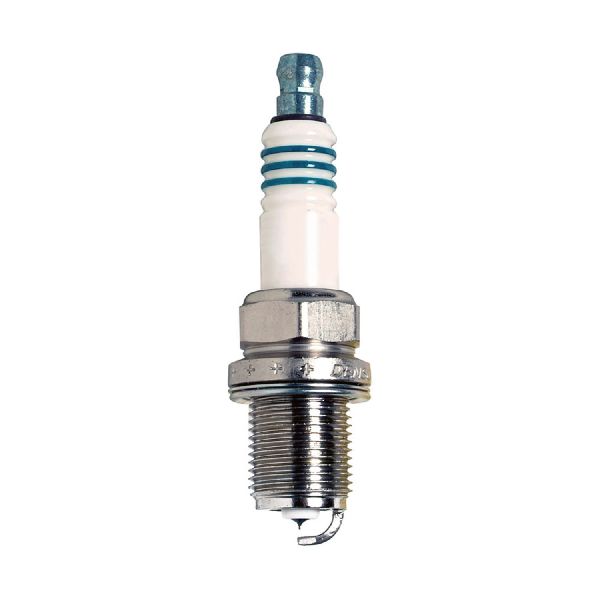
| Best / OEM Equivalent | NGK, Denso | Mazda often used NGK and Denso as original equipment suppliers. These brands are highly recommended by owners and mechanics for their perfect fit, reliability, and performance that matches the factory plugs. You cannot go wrong with these. |
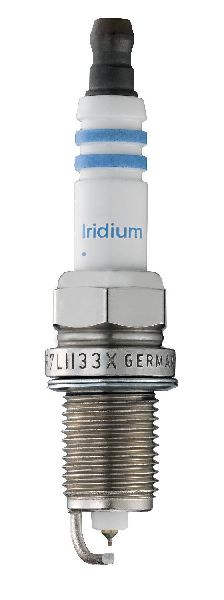
| Good Quality | Bosch | Bosch offers a solid alternative with good performance. They are a reputable brand and a safe choice if NGK or Denso are not available, often providing good value. |
| Standard / Economy | Autolite, Champion | These brands provide a functional, budget-friendly option. While they will work, they may not offer the same longevity or precise performance as the Japanese-spec brands. They are a viable choice for getting a car back on the road affordably. |
| Performance | MSD | MSD plugs are geared towards high-performance and modified engines. For a stock Mazda 929, these are generally unnecessary and not worth the extra cost. |
Pro Tip: Always check the spark plug gap before installation, even if the box says they are "pre-gapped." The correct gap for both the SOHC and DOHC V6 engines in the 1988-1995 Mazda 929 is 0.044 inches (1.1mm). Using a feeler gauge or gapping tool is essential for this step.
Known Issues, Recalls, and Service Bulletins
While there are no specific recalls or technical service bulletins (TSBs) for the spark plugs themselves on the 1988-1995 Mazda 929, there was a significant recall that owners should be aware of.
NHTSA Recall 15V-674: Ignition Switch Failure. This recall affects 1993-1995 Mazda 929 models. Excessive grease in the ignition switch could lead to a short circuit, causing the engine to stall or, in extreme cases, creating a fire risk. While not directly related to the spark plugs, an engine that won't start or stalls unexpectedly could be mistaken for an ignition system problem. It is crucial to verify if this recall has been performed on your vehicle.
Frequently Asked Questions (FAQ)
Is it difficult to replace the spark plugs on a Mazda 929?
It depends on the year. The 1988-1991 models with the SOHC (Single Overhead Cam) V6 are relatively straightforward. However, the 1992-1995 models with the DOHC (Dual Overhead Cam) V6 are more challenging. The intake manifold often covers the rear spark plugs, requiring more disassembly to access them.
How often should I change the spark plugs?
For this vehicle generation, if you use standard copper plugs (like NGK V-Power), a good interval is every 30,000 miles. If you opt for more expensive Iridium or Platinum plugs, you can extend that interval, but checking them periodically is still a good practice.
Should I use anti-seize on the threads?
This is a debated topic. NGK, a primary OEM supplier, officially recommends NOT using anti-seize on their modern plugs with nickel-plated threads, as it can lead to over-torquing. However, many experienced mechanics still use a very small amount on the threads to prevent them from getting stuck in the cylinder head. If you do use it, reduce the manufacturer's torque specification by about 10-15%.
What's the difference between copper, platinum, and iridium plugs?
Copper plugs have the best conductivity but wear out the fastest (e.g., 30,000 miles). Platinum and Double Platinum plugs have harder electrodes and last longer (e.g., 60,000+ miles). Iridium plugs have an extremely hard, fine-wire center electrode, offering the longest life and most consistent spark (e.g., 100,000+ miles). For the 929, standard NGK or Denso copper or platinum plugs offer the best balance of performance and value.
Technical Specifications
OEM Part Numbers: NGK BKR5ES-11 NGK 2382 Denso K16PR-U11 Champion RC12PMPB4
Thread Size: M14x1.25, Thread Reach: 19mm, Hex Size: 16mm (5/8") or 20.8mm depending on brand, Gap: 1.1mm (0.044")
We Have This Part in Stock

The information in this article is provided for general reference and educational purposes only. Vehicle specifications, procedures, and part compatibility can vary by production date, trim level, and region. Always consult your vehicle's factory service manual and verify part numbers before purchasing or performing repairs. Safety-critical components such as airbags, seat belts, and braking systems should be installed by a qualified professional.
- Mazda 929: