

Toyota 4Runner Knock Sensor Guide: 1988-1995 Models
Understanding the knock sensor in your 1988-1995 4Runner is key to protecting your engine and restoring performance.
- For the 3.0L V6, use only a genuine OEM Toyota knock sensor and pigtail wire to avoid repeating the very expensive labor.
- Always replace the short pigtail wire harness with the sensor, as the wire is a more common failure point than the sensor itself.
- Replacing the sensor on the V6 is an extremely difficult job; on the 4-cylinder, it is relatively easy.
- A bad knock sensor forces the engine into a 'limp mode', causing poor power and bad fuel economy.
Is Your 4Runner Suddenly Sluggish and Thirsty?
When a knock sensor fails on the 1988-1995 Toyota 4Runner, the check engine light will almost always come on. For later models in this range, this will trigger the diagnostic trouble code P0325. Because the engine's computer is no longer receiving a signal, it enters a protective 'limp mode'. This mode significantly retards ignition timing to prevent any potential engine damage. The result is a noticeable loss of power, hesitation during acceleration, and a significant drop in fuel economy.
🎬 Watch: Common symptoms of a failing knock sensorV6 vs. 4-Cylinder: A Tale of Two Replacements
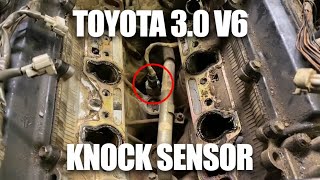
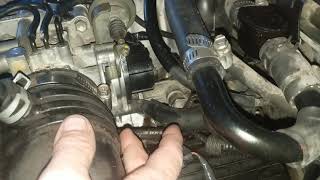
It is critical to know which engine your 4Runner has. The 3.0L V6 (3VZ-E) has its knock sensor buried deep in the engine valley, underneath the lower intake manifold. Replacing it is a very difficult and labor-intensive job that can take a professional mechanic many hours. 🎬 See this step-by-step intake manifold removal and sensor replacement In contrast, the 2.4L 4-cylinder (22R-E) has its sensor on the side of the engine block, making it much easier to access and replace.
Choosing the Right Aftermarket Knock Sensor
When shopping for a new knock sensor, the choice between Original Equipment (OEM) and aftermarket is a major decision, especially for V6 owners.
The OEM vs. Aftermarket Debate for This 4Runner
For most parts, aftermarket options are a great way to save money. However, for the knock sensor on the 3.0L V6, the overwhelming consensus among Toyota owners is to use only a genuine Toyota (OEM) sensor and wire. The reason is simple: the labor to replace the part is very expensive. If a cheaper aftermarket sensor fails prematurely, you will have to pay for that difficult job all over again. Many owners have reported aftermarket sensors failing quickly or not working correctly out of the box.
For owners of the 4-cylinder 22R-E, an aftermarket sensor is a more reasonable choice. Because the replacement is simple, the financial risk of a part failure is much lower.
Always Replace the Pigtail Wire!
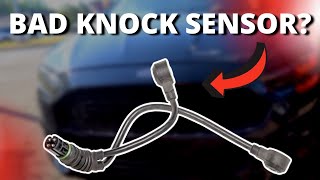
A very common failure point is not the sensor itself, but the short wire harness (often called a pigtail) that connects it to the main harness. This wire becomes extremely brittle from heat and age and can easily break, causing a knock sensor code. 🎬 Watch: Troubleshooting Code 52 and the knock sensor pigtail Whether you choose OEM or aftermarket, always replace this wire at the same time as the sensor.
Aftermarket Brand Tiers
If you decide an aftermarket part is right for your situation, here is what is known about the available brands:
- Standard Ignition (SMP): Often considered a higher-quality aftermarket brand. However, some users have noted inconsistent quality in their various product lines. For critical import parts, some have found success while others prefer OEM.
- Holstein: Holstein states that it uses high-quality materials to meet or exceed OE specifications and offers a 3-year/36,000-mile warranty.
- Vemo: Forum discussions often place Vemo as a budget-friendly brand, with some users questioning its quality for critical components.
- Global Parts, Motorad: There is little specific owner feedback available for these brands regarding Toyota knock sensors. They are generally considered standard-tier aftermarket options.
Cost to Replace a 1988-1995 4Runner Knock Sensor
| Part/Service | Engine | Estimated Cost |
|---|---|---|
| New Aftermarket Sensor | V6 / 4-Cyl | $46.33 - $179.69 |
| New OEM Sensor | V6 / 4-Cyl | $180 - $225 |
| OEM Pigtail Wire | V6 / 4-Cyl | $20 - $35 |
| Shop Labor | V6 (3VZ-E) | $600 - $950+ |
| Shop Labor | 4-Cyl (22R-E) | $100 - $200 |
Cost estimates are approximate and can vary by location and repair shop. The significant labor difference is due to the sensor's location.
Frequently Asked Questions (FAQ)
Do I really need an OEM sensor for my V6?
It is highly recommended. The job requires removing the upper and lower intake manifolds, which is a very labor-intensive process. The risk of a low-cost aftermarket part failing and requiring you to pay for the same labor twice leads most experienced owners and mechanics to insist on OEM parts for this specific job.
My mechanic replaced the sensor, but the check engine light came back. What now?
This is a common issue. The cause is often one of three things: 1) The pigtail wire was not replaced and has failed. 2) An aftermarket sensor was used and is not compatible with the Toyota ECU. 3) The new wire was not a shielded wire, allowing electrical noise to interfere with the signal. Always confirm that both the sensor and the correct shielded pigtail wire were replaced with quality parts.
Is there a TSB or recall for this part?
No, there are no official recalls or Technical Service Bulletins (TSBs) from Toyota specifically for the knock sensor on 1988-1995 4Runners. However, there was a service campaign for the head gaskets on the 3.0L V6. Since a head gasket replacement requires removing the intake manifolds, it is an ideal time to also replace the knock sensor and its wire.
Can I replace the knock sensor myself?
If you have the 2.4L 4-cylinder engine, this is a job a DIY mechanic can likely handle. However, if you have the 3.0L V6, it is a very advanced and difficult repair. It involves draining coolant, disconnecting numerous fuel lines, vacuum hoses, and electrical connectors, and removing the entire top end of the engine intake system. It is not recommended for beginners.
Helpful Videos


Technical Specifications
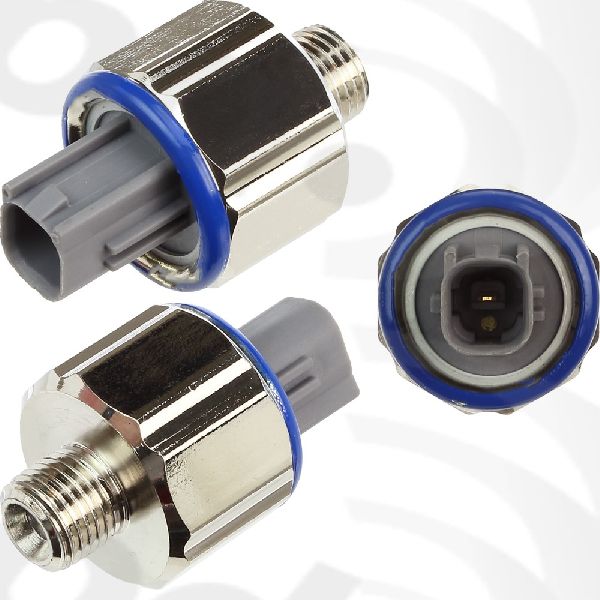
OEM Part Numbers: 89615-50010 89615-20010 89615-35040 82219-35010 (Wire, 1992-1995) 82219-89103 (Wire, 1988-1991)
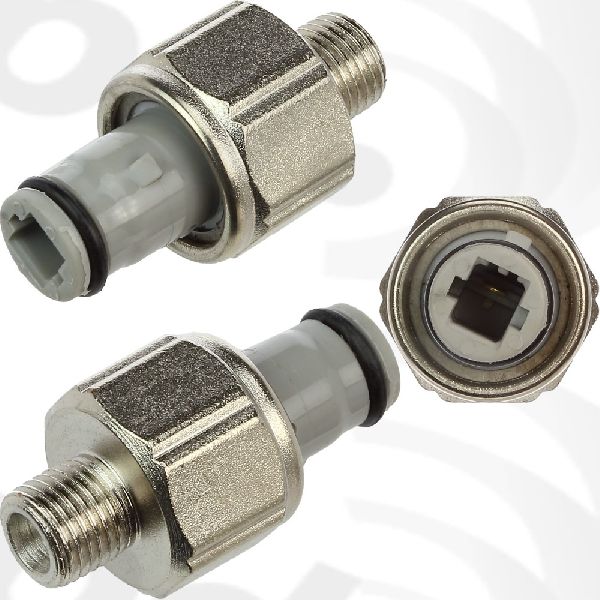
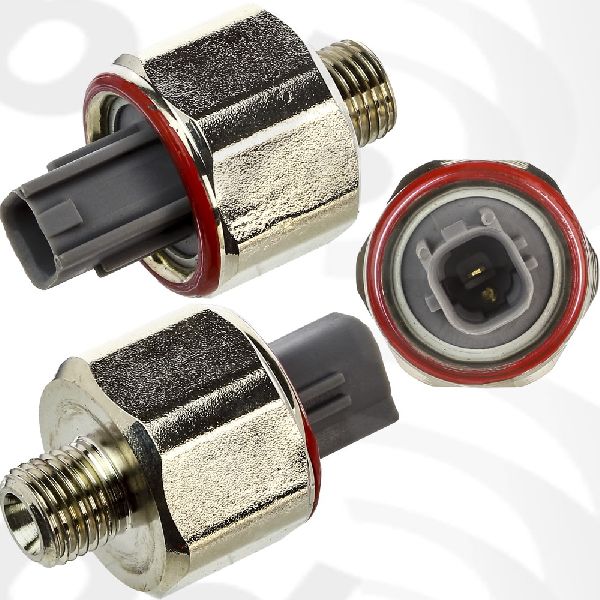
Location: Engine valley, under lower intake manifold (3.0L V6) or on driver's side of engine block (2.4L I4). Connector: Single pin electrical connector.
We Have This Part in Stock


The information in this article is provided for general reference and educational purposes only. Vehicle specifications, procedures, and part compatibility can vary by production date, trim level, and region. Always consult your vehicle's factory service manual and verify part numbers before purchasing or performing repairs. Safety-critical components such as airbags, seat belts, and braking systems should be installed by a qualified professional.
- Toyota 4Runner:
- 🎬 Helpful Videos
- 🛍️ Shop This Part
- Is Your 4Runner Suddenly Sluggish and Thirsty?
- V6 vs. 4-Cylinder: A Tale of Two Replacements
- Choosing the Right Aftermarket Knock Sensor
- The OEM vs. Aftermarket Debate for This 4Runner
- Always Replace the Pigtail Wire!
- Aftermarket Brand Tiers
- Cost to Replace a 1988-1995 4Runner Knock Sensor
- Frequently Asked Questions (FAQ)
- 🎟️ Get 5% Off