

Toyota Pickup Oxygen Sensor Guide: 1988-1995
Everything you need to know about choosing the right new aftermarket oxygen sensor for your 1988-1995 Toyota Pickup.
- Choose a direct-fit sensor from Denso or NGK (NTK) for the best reliability and to avoid issues.
- Verify the number of sensors your truck has (one or two) before ordering.
- Confirm if your truck is a California or Federal emissions model, as the part may differ.
- A bad oxygen sensor will cause poor fuel economy and a failed emissions test.
Is Your Toyota Pickup's Oxygen Sensor Failing?
A bad oxygen sensor can cause a variety of problems with your truck's performance. If your pickup is experiencing any of the following issues, a faulty O2 sensor could be the culprit:
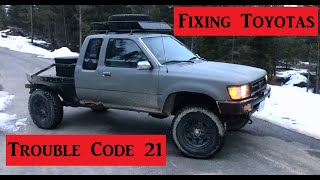
- Check Engine Light: This is the most common sign. A code 21 on these models often points to the oxygen sensor. 🎬 Watch: How to diagnose and solve a Code 21 error.
- Poor Fuel Economy: If you're filling up your tank more often, a bad O2 sensor might be causing the engine to run too rich.
- Rough Idle and Misfires: An incorrect air/fuel mixture can lead to a rough idle, engine hesitation, or misfires.
- Failed Emissions Test: An O2 sensor is crucial for controlling emissions, and a bad one will almost certainly cause you to fail a smog check.
- Sluggish Performance: Your truck may feel down on power or accelerate slowly.
Choosing the Right Aftermarket Oxygen Sensor
When it comes to aftermarket oxygen sensors for your 1988-1995 Toyota Pickup, quality matters. Sticking with reputable brands is key to avoiding more headaches down the road. The original equipment (OE) manufacturer for these trucks was Denso, making it a top choice for replacement.
Aftermarket Brand Tiers
| Tier | Brands | Notes |
|---|---|---|
| Top Tier (OEM Quality) | Denso, NGK (NTK) | Denso was the original supplier for Toyota. Both Denso and NGK/NTK are highly recommended by owners for their reliability and direct-fitment, ensuring performance that matches the original part. |
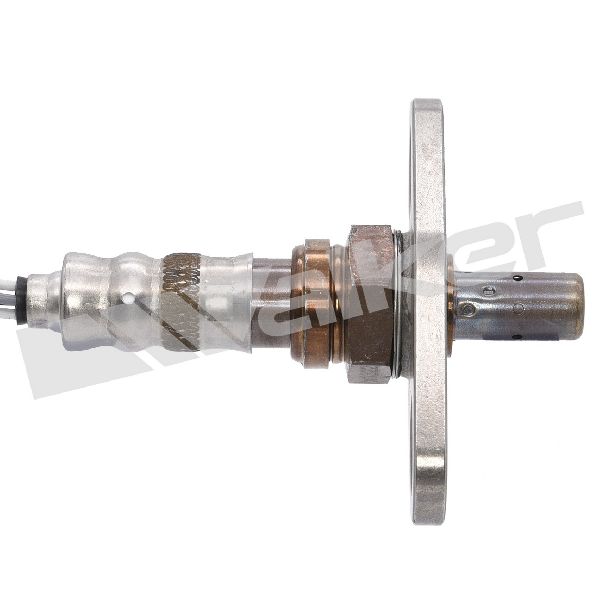
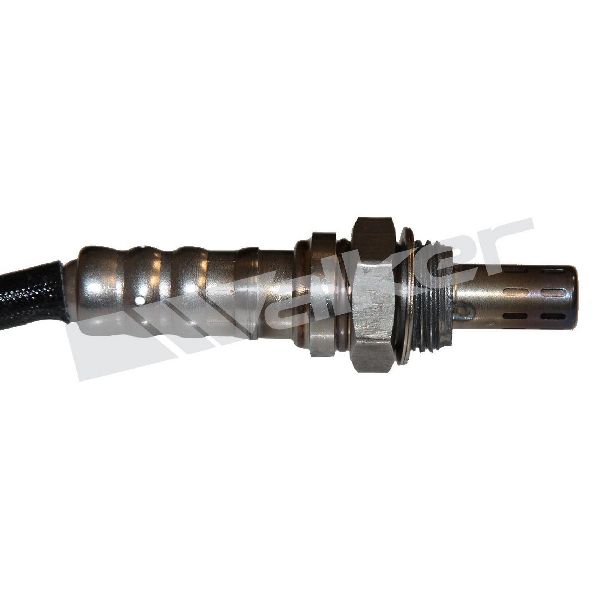
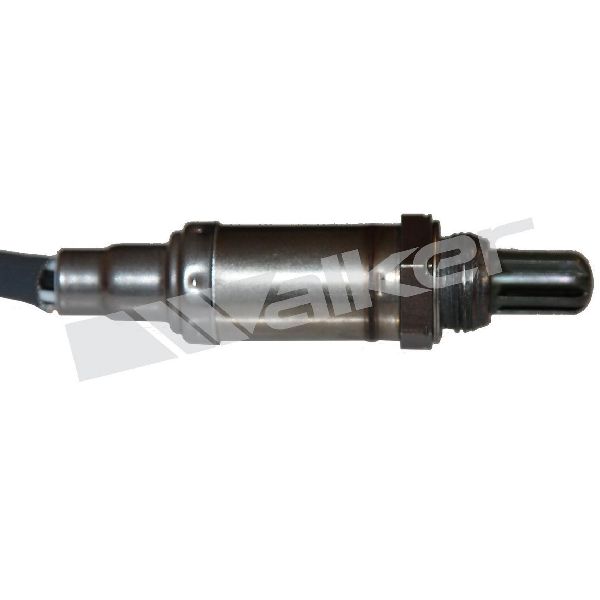
| Mid-Tier | Bosch, Walker Products, Delphi | Bosch is a well-known brand, but some owners have reported issues with their universal sensors on these specific trucks, sometimes causing the check engine light to return. Walker and Delphi are generally considered reliable mid-range options. |
| Budget-Tier | DriveWire, Spectra, other store brands | These are the most affordable options but may have a shorter lifespan and less consistent performance. They can be a solution if budget is the primary concern, but may not be the most durable choice for your classic Toyota. |
Universal vs. Direct-Fit Sensors
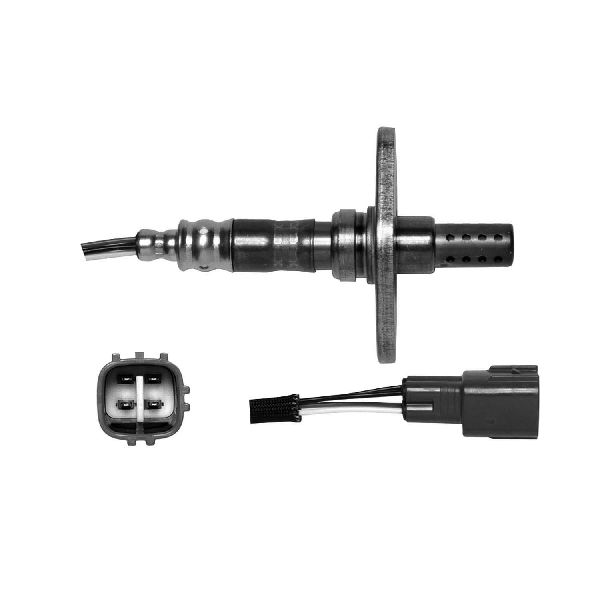
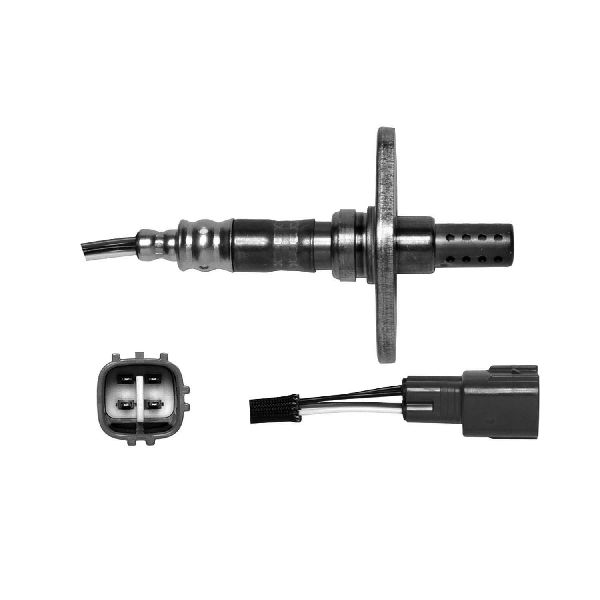
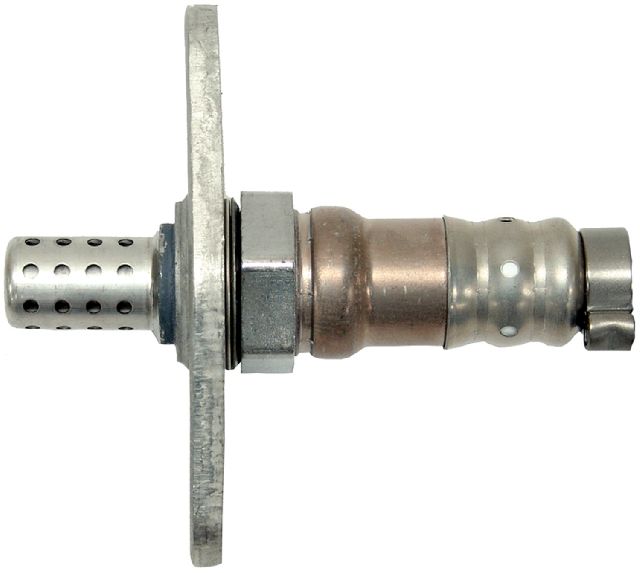
You will find both "universal" and "direct-fit" oxygen sensors. A direct-fit sensor comes with the correct plug for your truck and is highly recommended. A universal sensor requires you to cut your old plug and splice it onto the new sensor. While cheaper, this introduces a potential point of failure. For a reliable repair, always choose a direct-fit sensor.
🎬 Watch: A quick guide to swapping out your O2 sensor.How Many Oxygen Sensors Does My Truck Have?
This is a common point of confusion. The number of sensors depends on your truck's year and configuration:
- 1988 Models: Typically use a single, 4-wire heated oxygen sensor located before the catalytic converter.
- 1989-1995 Models: Some configurations may have two sensors. One is an "upstream" sensor before the catalytic converter, and a second "downstream" sensor is located after it. It's important to confirm your specific vehicle's setup before ordering.
Pro Tip: Always verify if your truck is a California or Federal emissions model, as this can affect which part number is correct. The connector style (male vs. female) can also vary, so it's a good idea to visually inspect your old sensor's plug before ordering.
Frequently Asked Questions
What's the difference between an upstream and a downstream sensor?
The upstream sensor (before the catalytic converter) is the primary sensor used by the ECU to adjust the air/fuel ratio. The downstream sensor (after the converter) primarily monitors the efficiency of the catalytic converter itself. On some 1989-1995 models, both may be present.
Should I replace both O2 sensors at the same time?
If your truck has two sensors and one fails, it is often recommended to replace them in pairs, especially if they are original and have high mileage. This ensures consistent performance and can prevent you from having to do the job again in the near future.
Why is Denso the best brand for my Toyota Pickup?
Denso was the Original Equipment Manufacturer (OEM) for Toyota during this period. This means a Denso sensor is essentially the same part your truck came with from the factory, guaranteeing the best fit and performance. 🎬 See this walkthrough for replacing the sensor on 3VZE engines. Forum discussions among owners consistently recommend using Denso or NGK parts to avoid problems.
Can I clean my old oxygen sensor instead of replacing it?
While some people attempt to clean O2 sensors, it is generally not a reliable or long-term solution. The sensing elements become contaminated and degraded over time, and cleaning rarely restores them to proper function. Replacement is the only guaranteed fix for a failed sensor.
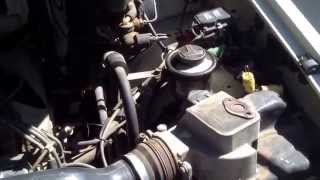
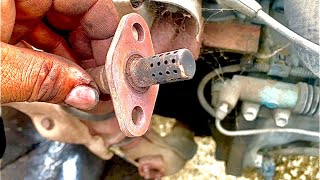
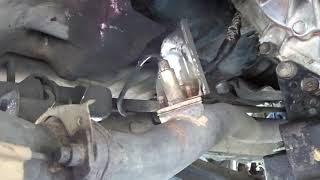
Helpful Videos
Technical Specifications
OEM Part Numbers: 89465-39265 89465-39355 89465-39336 89465-39256 89465-39435 89465-39255 89465-39245 89465-39226
Configurations can include single 4-wire heated sensors or dual sensor setups (upstream and downstream). Connector type and harness length are critical and vary by year, engine, and emissions type (California/Federal).
We Have This Part in Stock

The information in this article is provided for general reference and educational purposes only. Vehicle specifications, procedures, and part compatibility can vary by production date, trim level, and region. Always consult your vehicle's factory service manual and verify part numbers before purchasing or performing repairs. Safety-critical components such as airbags, seat belts, and braking systems should be installed by a qualified professional.
- Toyota Pickup: