

Throttle Position Sensor Guide for the 1988-1996 Chevrolet G30 Van
Solving hesitation, stalling, and shifting problems in your Chevy G30 starts with understanding this critical sensor.
- A bad TPS is a very common cause of both engine hesitation and automatic transmission shifting problems on these vans.
- Replacement is an easy, 30-minute DIY job with basic tools, making it a cost-effective first step in troubleshooting.
- There are no official recalls for this part, but it is a well-known failure item.
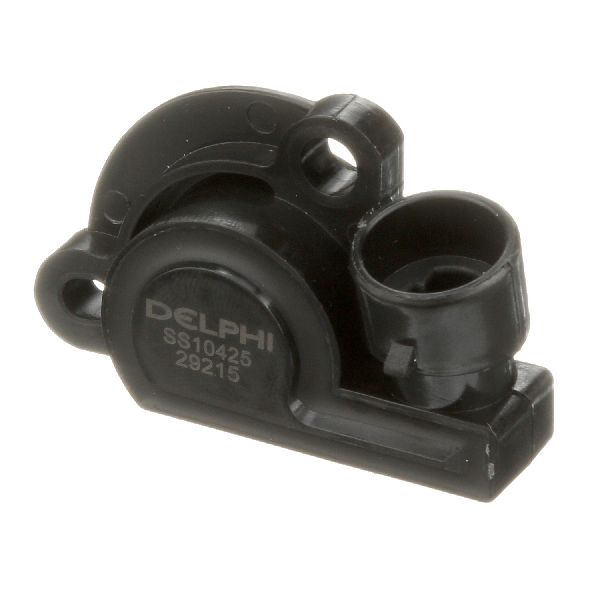
- Stick with reputable aftermarket brands like ACDelco, Delphi, or Standard Ignition for better reliability.
Is Your G30 Van Acting Up? It Could Be the TPS.
If your 1988-1996 Chevrolet G30 is experiencing engine or transmission issues, a failing Throttle Position Sensor (TPS) is a common culprit. Because this sensor plays a key role in both fuel management and transmission control, a bad signal can cause a wide range of problems that might seem unrelated. These vans use a simple, potentiometer-style sensor that can wear out over time, creating 'dead spots' in the signal that confuse the engine computer.
Top 5 Failure Symptoms
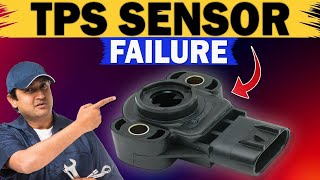
🎬 Watch: A detailed breakdown of common TPS failure symptoms.- Hesitation or Stumbling on Acceleration: The van may bog down or feel powerless when you press the gas pedal.
- Harsh or Delayed Transmission Shifting: Your automatic transmission may shift at the wrong times, slam into gear, or seem to hunt for the right gear. This is one of the most common symptoms for this generation of GM vans.
- Rough or High Idle: The engine might idle erratically, surge, or stay at a high RPM even when warm.
- Engine Stalling: The engine may stall when you come to a stop or when you suddenly change throttle input.
- Check Engine Light: A faulty TPS can trigger the 'Service Engine Soon' light. On these OBD1 vehicles, a common issue reported by owners is a code for "TPS voltage high".
No Recalls, But a Known Issue
Searches of the National Highway Traffic Safety Administration (NHTSA) database show no recalls or specific Technical Service Bulletins (TSBs) for the throttle position sensor on the 1988-1996 G30. However, the symptoms are widely discussed among owners and mechanics as a frequent failure point for this vehicle platform.
Choosing the Right Aftermarket TPS
For a vehicle of this age, new OEM parts from GM are scarce. The market is dominated by aftermarket brands, but quality varies significantly. Choosing a reliable part is key, as a poor-quality sensor can fail quickly or be defective right out of the box.
| Brand Tier | Brands | General Assessment |
|---|---|---|
| Premium Aftermarket | ACDelco, Delphi | ACDelco is GM's original parts brand, and Delphi was a major OE supplier. While modern ACDelco quality can be inconsistent, their 'Professional' line is still a top choice. Delphi remains a reputable brand known for reliable electronics. |
| Standard Aftermarket | Standard Ignition (SMP), NGK/NTK | These are well-regarded brands in the aftermarket that offer a good balance of quality and price. They are a solid choice for a daily driver or work van. |
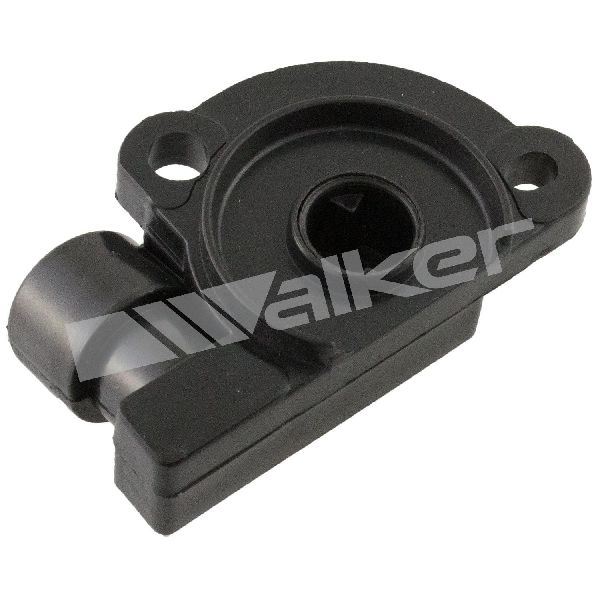
| Economy Aftermarket | Dorman, Walker Products, Store Brands | These brands offer the lowest price point but have a mixed reputation for quality and longevity. They can be a viable option for a budget repair, but failure rates may be higher. |
Installation is Simple
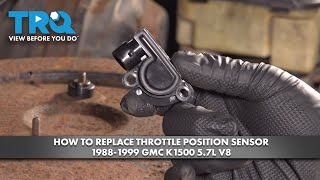
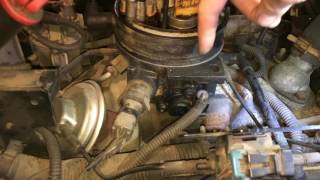
🎬 See this step-by-step walkthrough for replacing the sensor.Replacing the TPS on a G30 is a beginner-friendly job that typically takes less than 30 minutes. It is held on by two T25 Torx screws and is easily accessible on the side of the throttle body once the air cleaner is removed. Unlike modern vehicles, these older models generally do not require a computer 'relearn' procedure after installation.
Frequently Asked Questions
Can a bad TPS really cause my transmission to shift hard?
Yes. The engine computer uses the TPS signal to determine engine load, which is a primary factor in controlling transmission shift points. A bad or erratic signal can directly cause harsh shifts, delayed shifts, or hunting for gears.
Do I need to calibrate or adjust the new TPS?
For the 1988-1996 G30, a specific calibration or computer relearn procedure is not typically required. The sensors are designed to be a direct replacement. The most important step is to ensure it is seated correctly on the throttle body shaft before tightening the screws.
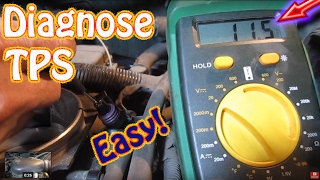
How can I test my old TPS before replacing it? 🎬 Watch: How to test any GM throttle position sensor.
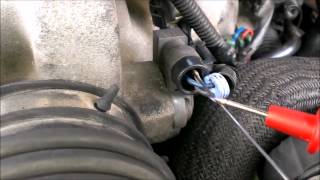
You can test the sensor with a multimeter. With the sensor plugged in and the key on (engine off), you would back-probe the signal wire. The voltage should read around 0.5V at idle (closed throttle) and sweep smoothly up to around 4.5V at wide-open throttle. Any jumps, spikes, or dead spots during the sweep indicate a faulty sensor.
Why did my van run fine and then suddenly start acting up again?
This is a classic symptom of a failing TPS. The sensor has a resistive strip inside that wears out, creating 'dead spots'. Your engine might run perfectly until the throttle is in one of these worn spots, causing the problem to appear intermittently.
Helpful Videos


Technical Specifications
OEM Part Numbers: 17106681 17112407 8171066810
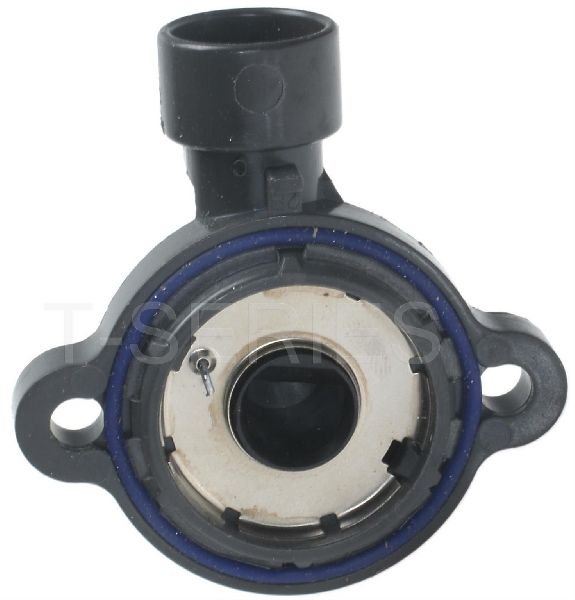
Mounts to the side of the throttle body assembly. Typically features a 3-terminal female electrical connector.
We Have This Part in Stock


The information in this article is provided for general reference and educational purposes only. Vehicle specifications, procedures, and part compatibility can vary by production date, trim level, and region. Always consult your vehicle's factory service manual and verify part numbers before purchasing or performing repairs. Safety-critical components such as airbags, seat belts, and braking systems should be installed by a qualified professional.
- Chevrolet G30: