

Catalytic Converter Guide for 1988-1996 Ford F-150 Trucks
Everything you need to know before replacing the catalytic converter on your 8th or 9th generation F-150.
- A clogged converter is a common issue that causes significant power loss on these trucks.
- You MUST determine if you need a Federal (EPA) or California (CARB) compliant part based on your state's laws.
- For longevity, especially in rust-prone areas, a stainless steel converter from a brand like MagnaFlow or Walker is a better investment than economy brands.
- Always investigate and fix the root cause of the failure (e.g., misfires, bad O2 sensors) before installing a new converter.
Is Your F-150's Catalytic Converter Failing?
On an older truck like the 1988-1996 F-150, the catalytic converter can fail from age, clogging, or internal damage. A failing converter isn't just bad for the environment; it can seriously impact your truck's performance. Often, a converter fails because of another issue, like an engine misfire that sends unburned fuel into the exhaust, which then ignites and melts the converter's internal structure.
Common Failure Symptoms:
🎬 Watch: A visual guide to common catalytic converter failure symptoms.- Loss of Power: This is the most common complaint. A clogged converter creates backpressure, choking the engine and making it feel sluggish, especially when accelerating or climbing hills.
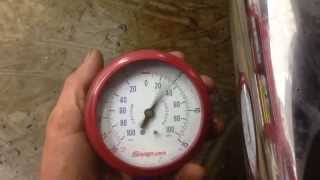
- Rattling Noise: If you hear a rattling or metallic sound from under the truck, it's likely the ceramic honeycomb inside the converter has broken apart. You can often confirm this by tapping on the converter with your hand (when it's cold) and listening for loose pieces. 🎬 See how to professionally test your converter for internal blockages.
- Rotten Egg Smell: A strong sulfur or rotten egg smell from the exhaust means the converter is not properly processing the gases.
- Poor Fuel Economy: When the engine can't breathe properly due to a restriction, it has to work harder, which uses more fuel.
- Check Engine Light: While pre-1996 (pre-OBD-II) trucks are less sophisticated, a failing converter can still trigger a check engine light. Common codes on later models include P0420 and P0430, indicating catalyst inefficiency.
A Note on Recalls and TSBs
While no major recalls exist for the catalytic converter on this specific F-150 generation, Ford did issue a Technical Service Bulletin (TSB #BC3131950301) in March 1995 regarding service procedures for converter restriction issues. This indicates that clogging was a recognized problem. Always address the root cause of a converter failure, such as engine misfires or bad oxygen sensors, to avoid damaging the new part.
Choosing the Right Aftermarket Converter
For a 1988-1996 F-150, an aftermarket catalytic converter is a cost-effective alternative to an expensive OEM part. However, quality varies significantly between brands. They generally fall into three tiers:
Brand Quality Tiers
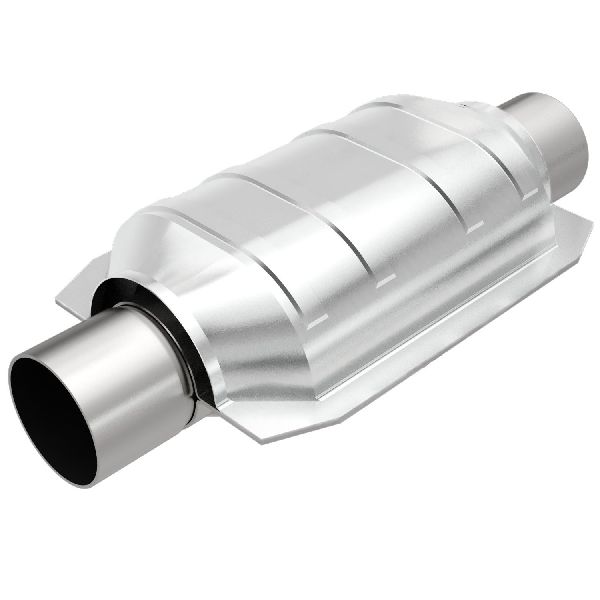
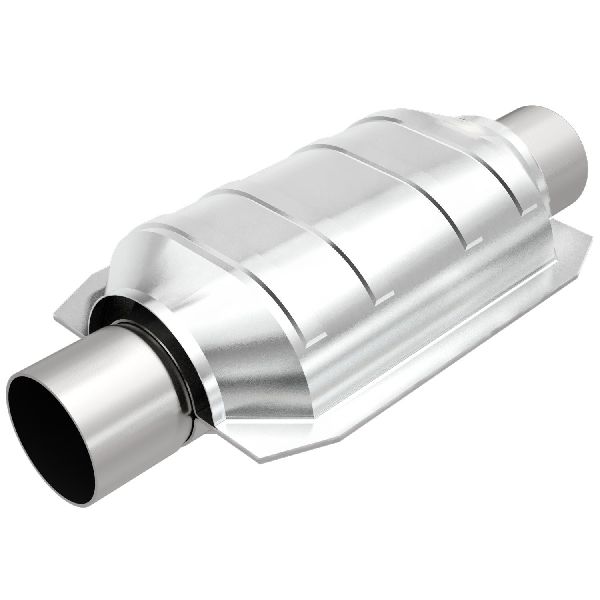
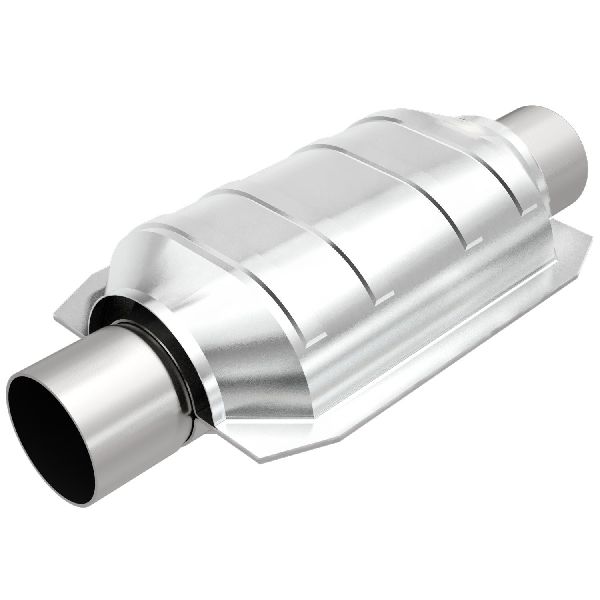
- Performance (High-Tier): Brands like MagnaFlow are known for high-quality, stainless steel construction that resists rust and corrosion. They often feature a high-flow design that can slightly improve performance and offer a deeper exhaust note. These are a good choice if you live in an area with harsh winters and road salt.
- Standard OE-Style (Mid-Tier): Walker Exhaust is a widely recognized brand that offers reliable, direct-fit replacements that function similarly to the original part. Mechanics often trust them for a balance of quality and value.
- Economy (Value-Tier): Brands like AP Exhaust and Eastern Catalytic provide a budget-friendly option to get your truck back on the road and pass emissions. However, some owners report issues with longevity and perfect fitment, and they may be more susceptible to rust.
Direct-Fit vs. Universal Converters
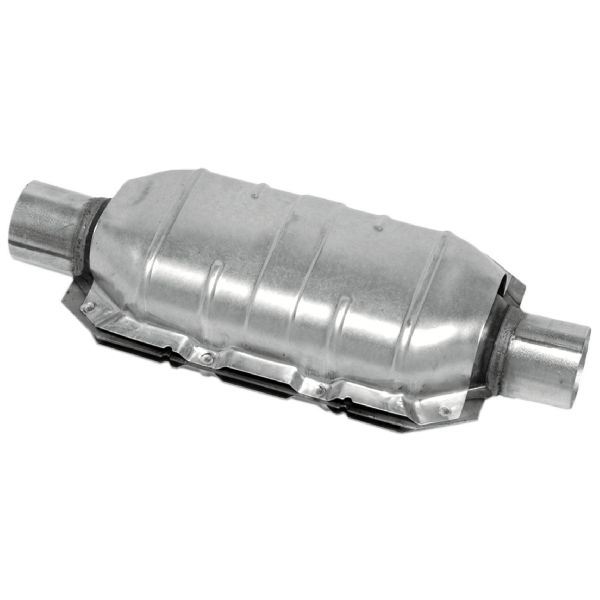
Direct-fit converters are designed to bolt right into your F-150's specific exhaust system (engine and wheelbase) with minimal or no modifications, making installation much easier. Universal converters are cheaper but require cutting and welding the exhaust pipes for a proper fit, which increases labor time and cost. For a DIY project, a direct-fit part is strongly recommended.
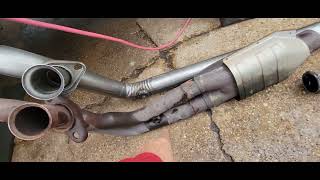
🎬 Watch this walkthrough of a catalytic converter replacement on an F-150.Federal (EPA) vs. California (CARB) Converters
This is the most important decision you will make. Catalytic converters are built to two different emissions standards:
- Federal/EPA: These are legal in most states.
- CARB-Compliant: These are required for vehicles registered in California, Colorado, New York, and Maine. They have a higher load of precious metals to meet stricter standards and are more expensive.
You must install the correct type for your state to pass an emissions test. Check your local laws before ordering. You can also check the Vehicle Emission Control Information (VECI) label under your truck's hood to see if it was originally a 50-state (California emissions) vehicle.
Estimated Costs for Replacement
| Part Type | Estimated Cost |
|---|---|
| New Aftermarket Converter | $102.61 - $902.00 |
| New OEM Ford Converter | $800 - $1,700+ |
| Shop Labor | $150 - $300 |
Costs are estimates and can vary by location and the specific converter required for your truck's engine and exhaust configuration. Universal converters may have higher labor costs due to welding.
Frequently Asked Questions (FAQ)
Do I need to replace my oxygen sensors with the catalytic converter?
It is highly recommended. Old or failing oxygen sensors can send incorrect readings to the engine computer, creating a rich fuel mixture that can damage your new converter. Replacing them at the same time ensures the whole system works together correctly.
Will a high-flow converter from a brand like MagnaFlow give me more power?
While a high-flow converter is less restrictive than a stock one, the power gains on a stock 1988-1996 F-150 will be minimal. The main benefits are durable construction and potentially better longevity compared to economy brands.
Can I just remove the catalytic converter?
No. Removing the catalytic converter is illegal under federal law. Your truck will not pass any emissions inspection, will be louder, and the check engine light may stay on.
Why are some converters for my truck so much more expensive than others?
The price difference comes down to several factors: brand reputation, materials (stainless vs. aluminized steel), whether it's a direct-fit or universal part, and most importantly, whether it's a Federal/EPA or a CARB-compliant model. CARB converters are always more expensive due to stricter testing and more precious metals inside.
Helpful Videos
Technical Specifications
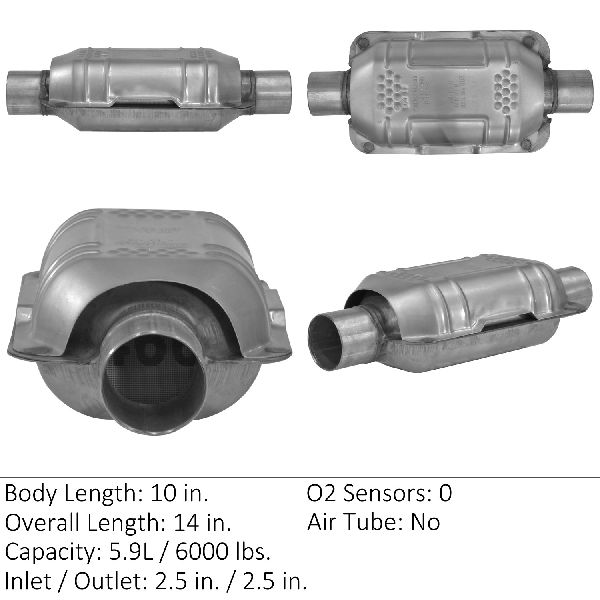
Vehicle fitment depends on the engine (4.9L I6, 5.0L V8, 5.8L V8), model year, and whether the truck has a single or dual exhaust system. Converters are available in direct-fit or universal configurations and must comply with either Federal (EPA) or California (CARB) emissions standards.
We Have This Part in Stock

The information in this article is provided for general reference and educational purposes only. Vehicle specifications, procedures, and part compatibility can vary by production date, trim level, and region. Always consult your vehicle's factory service manual and verify part numbers before purchasing or performing repairs. Safety-critical components such as airbags, seat belts, and braking systems should be installed by a qualified professional.
- Ford F-150:
- 🎬 Helpful Videos
- 🛍️ Shop This Part
- Is Your F-150's Catalytic Converter Failing?
- Common Failure Symptoms:
- A Note on Recalls and TSBs
- Choosing the Right Aftermarket Converter
- Brand Quality Tiers
- Direct-Fit vs. Universal Converters
- Federal (EPA) vs. California (CARB) Converters
- Estimated Costs for Replacement
- Frequently Asked Questions (FAQ)
- 🎟️ Get 5% Off