

Toyota Camry Catalytic Converter Replacement Guide (1988-1996)
Everything you need to know before replacing the catalytic converter on your 2nd or 3rd generation Camry.
- Always diagnose and fix the root cause of failure (like oil burning or misfires) before replacing the converter.
- Check if your state requires a CARB-compliant converter before purchasing to avoid failing emissions tests.
- A direct-fit converter is recommended for DIY installation, as universal models require welding.
- Replacing oxygen sensors at the same time is a smart investment to ensure the new converter functions properly.
Is Your Camry's Catalytic Converter Failing?
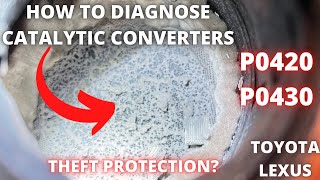
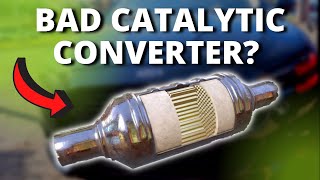
A failing catalytic converter on your 1988-1996 Camry will give you clear warning signs. For 1996 models with OBD-II diagnostics, the first sign is usually a Check Engine Light with code P0420, which means the converter's efficiency is low. For all years in this range, you should also watch for physical symptoms. You might notice a rotten egg or sulfur smell from the exhaust, a rattling noise from under the car, sluggish acceleration, and worse gas mileage. 🎬 Watch: A visual guide to common failing catalytic converter symptoms. In severe cases, a clogged converter can cause so much exhaust backpressure that the engine may stall or have trouble starting.
Don't Ignore the Root Cause
Catalytic converters don't usually fail on their own. They are often killed by another problem. Common causes on this generation of Camry include engine misfires, leaking fuel injectors, or burning oil, which can coat and clog the converter's internal structure. Before you spend money on a new converter, make sure you or your mechanic have fixed the original problem, or the new part will fail quickly too.
Choosing the Right Aftermarket Converter
When replacing the converter on your Camry, you have several options. An OEM part from Toyota offers a perfect fit but is often very expensive, sometimes more than an older car is worth. Aftermarket converters are a more affordable and popular choice. They are available in two main types:
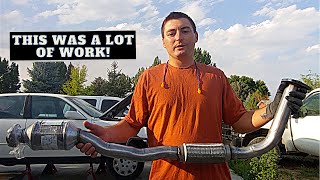
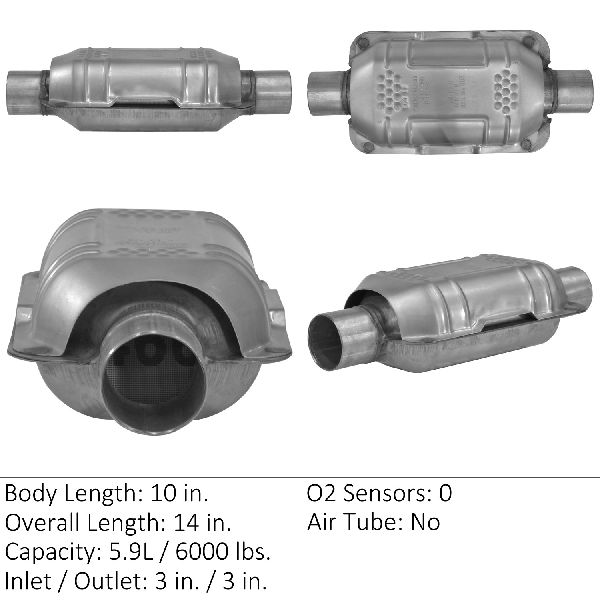
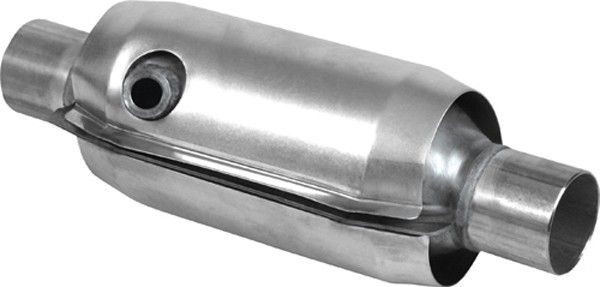
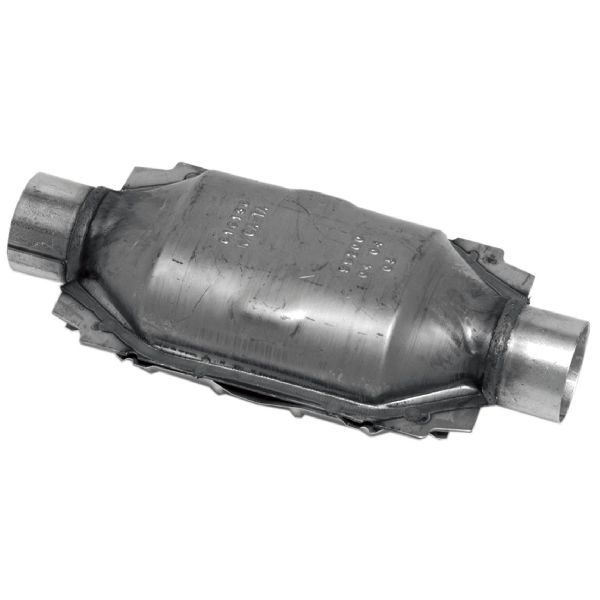
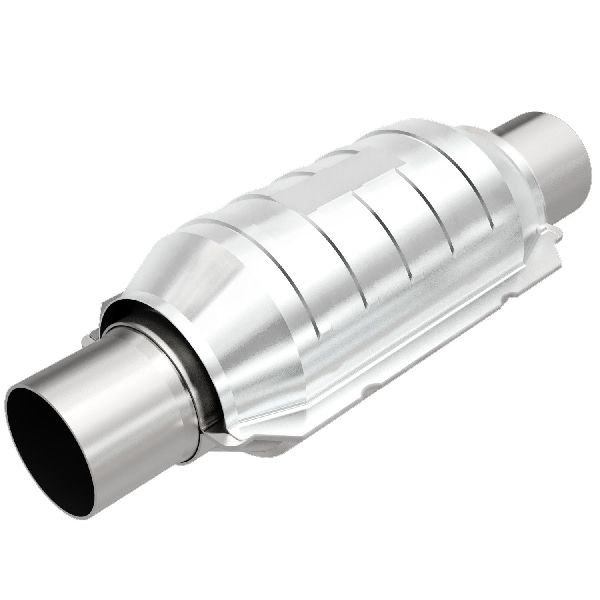
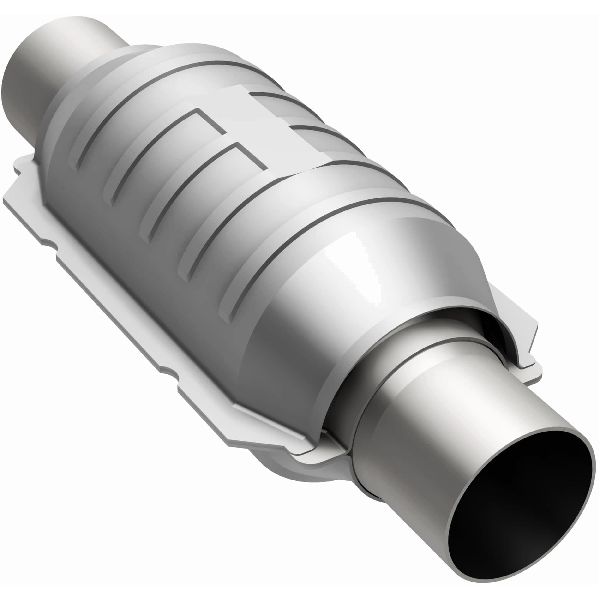
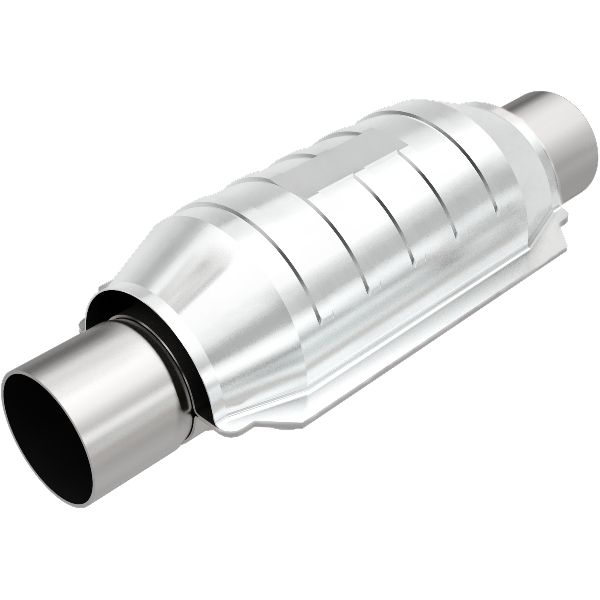
- Direct-Fit Converters: These are designed to be a bolt-on replacement for the original part, with no cutting or welding needed. This makes installation much easier, especially for a DIY job. 🎬 See this walkthrough for replacing the exhaust pipe and converter. Brands like Walker, MagnaFlow, and AP Exhaust offer direct-fit options.
- Universal Converters: These are cheaper but require cutting the old converter out and welding the new one into place. This is a job best left to a professional exhaust shop unless you have welding experience.
Aftermarket Brand Tiers for Your Camry
Not all aftermarket brands are the same. They generally fall into a few quality and price tiers:
- Economy/Standard (AP Exhaust, Eastern Catalytic): These brands provide a cost-effective solution to get your car back on the road and pass emissions. Forum users have had mixed experiences, with some noting they may not last as long as premium brands, especially in harsh climates.
- OEM-Grade (Walker Exhaust, Dorman): Walker is a well-regarded brand known for good fitment that often mirrors the original factory part. Dorman is also a popular choice that often includes new gaskets and hardware, making installation easier.
- Performance/Premium (MagnaFlow): MagnaFlow converters are known for their durable stainless steel construction and high-flow designs. They are often more expensive but are a good choice if you want a long-lasting part or a slight performance improvement.
Check Your Local Emissions Laws (CARB)
Before buying, you MUST know your state's emissions requirements. California, New York, and other states have adopted strict CARB (California Air Resources Board) standards. If you live in one of these states, you must buy a more expensive CARB-compliant converter. Installing a non-compliant (Federal/EPA) converter in a CARB state will cause you to fail your emissions inspection.
Cost to Replace a 1988-1996 Camry Catalytic Converter
The cost can vary widely based on the part you choose and local labor rates. Here is a general breakdown:
| Item | Estimated Cost |
|---|---|
| New Aftermarket Part (Federal/EPA) | $85 - $450 |
| New Aftermarket Part (CARB Compliant) | $450 - $1077+ |
| New OEM Part | $1050+ |
| Shop Labor | $122 - $250 |
Frequently Asked Questions
Why did my Camry's original catalytic converter fail?
The most common reasons are age and contamination. An engine that burns oil or has misfires can send unburnt fuel and oil into the exhaust, which clogs and destroys the converter over time. Exhaust leaks can also damage the converter. It's important to fix these underlying issues before installing a new converter.
What's the difference between the front and rear converters on some models?
Some V6 and later 4-cylinder Camrys have two catalytic converters. The front converter (sometimes part of the exhaust manifold) does most of the initial emissions cleaning. The rear, underbody converter further refines the exhaust. If your car has two, a diagnostic scan is needed to determine which one has failed.
Do I need to replace my oxygen sensors at the same time?
It's highly recommended. Oxygen sensors monitor the converter's performance. An old, lazy sensor can send bad data to the car's computer, sometimes causing a P0420 code even if the converter is okay. Replacing the sensors with the converter ensures the whole system works together correctly and protects your investment in the new part.
Can I clean my catalytic converter instead of replacing it?
Generally, no. While some fuel additives claim to clean converters, they cannot fix a converter that is physically broken, melted inside, or completely clogged. If the internal honeycomb structure is damaged, replacement is the only real solution.
Helpful Videos
Technical Specifications
OEM Part Numbers: 17410-74870 17410-7A170 18450-76060 25508-74150
Fitment varies by engine (2.2L L4 or 3.0L V6) and model year. Direct-fit and universal options are available. Must verify Federal (EPA) or CARB compliance based on your state's laws.
We Have This Part in Stock

The information in this article is provided for general reference and educational purposes only. Vehicle specifications, procedures, and part compatibility can vary by production date, trim level, and region. Always consult your vehicle's factory service manual and verify part numbers before purchasing or performing repairs. Safety-critical components such as airbags, seat belts, and braking systems should be installed by a qualified professional.
- Toyota Camry:
- 🎬 Helpful Videos
- 🛍️ Shop This Part
- Is Your Camry's Catalytic Converter Failing?
- Don't Ignore the Root Cause
- Choosing the Right Aftermarket Converter
- Aftermarket Brand Tiers for Your Camry
- Check Your Local Emissions Laws (CARB)
- Cost to Replace a 1988-1996 Camry Catalytic Converter
- Frequently Asked Questions
- 🎟️ Get 5% Off