

A/C Accumulator Guide for the 1988-1997 Ford Ranger
Keep your Ranger's A/C blowing cold by understanding when and why you need to replace your A/C accumulator.
- Replacing the accumulator is required any time the A/C system is opened for service.
- You must also replace the orifice tube and system O-rings when installing a new accumulator.
- The A/C system must be professionally evacuated before work and vacuumed/recharged after.
- Rust-out is a common failure mode for the accumulator on these Rangers.
Is Your Ranger's A/C Not as Cold as It Used to Be?
If the air conditioning in your 1988-1997 Ford Ranger isn't performing well, a failing A/C accumulator could be the problem. This part is critical for the health of your A/C system, and replacing it is a mandatory step whenever the system is opened for service, such as when replacing a compressor.
Symptoms of a Failing A/C Accumulator
A bad accumulator can cause several noticeable issues. Keep an eye and ear out for these common signs:
- Poor Cooling Performance: This is the most common symptom. A clogged or saturated accumulator can restrict refrigerant flow, making the air from your vents warmer than it should be.
- Visible Refrigerant Leaks: The accumulator itself can rust out and leak. You might see an oily, greasy residue on or below the accumulator canister. This is the PAG oil that circulates with the refrigerant.
- Rattling Noises: If you hear rattling from the engine bay when the A/C is on, it could mean the internal components of the accumulator have broken apart.
- Moldy or Musty Smell: While less common, a leak in the accumulator can introduce moisture into the system, potentially leading to mold growth and an unpleasant smell from the vents.
Important Note on Leaks
What looks like a coolant leak near the A/C accumulator can sometimes be misleading. A pinhole leak in a nearby heater hose can spray coolant onto the A/C components, making it seem like the leak is from the A/C system itself. Always inspect the area carefully to correctly identify the source of any leak.
Choosing the Right Aftermarket A/C Accumulator
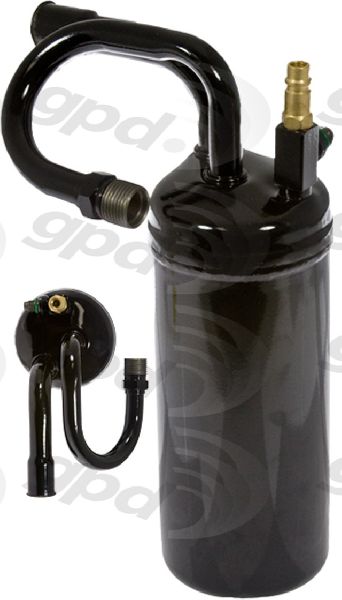
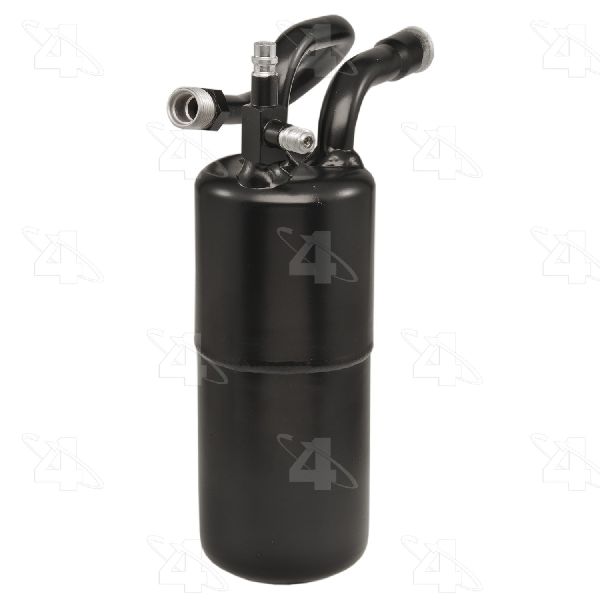
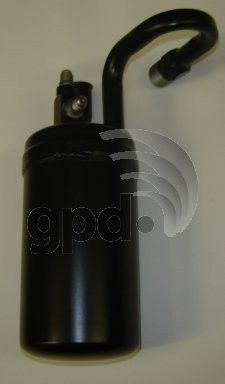
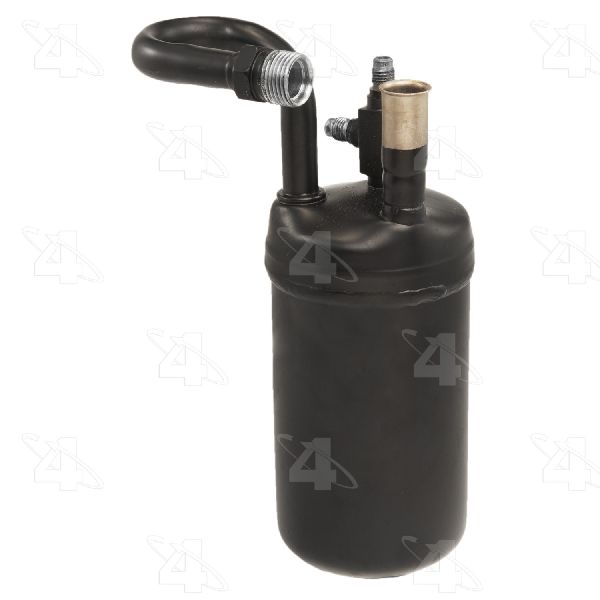
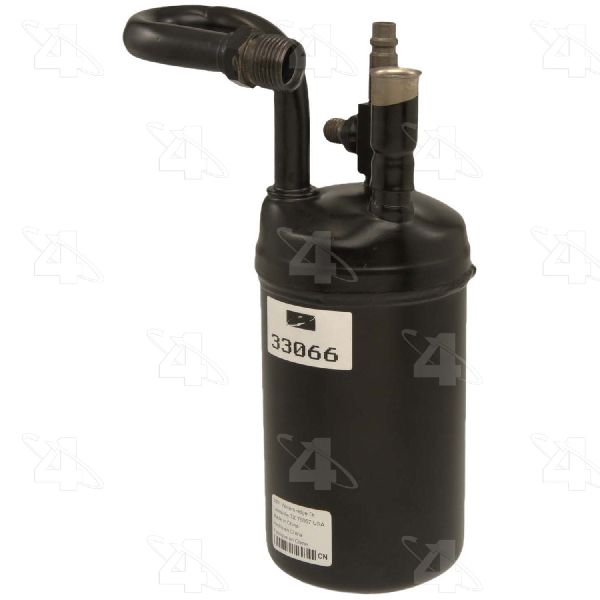
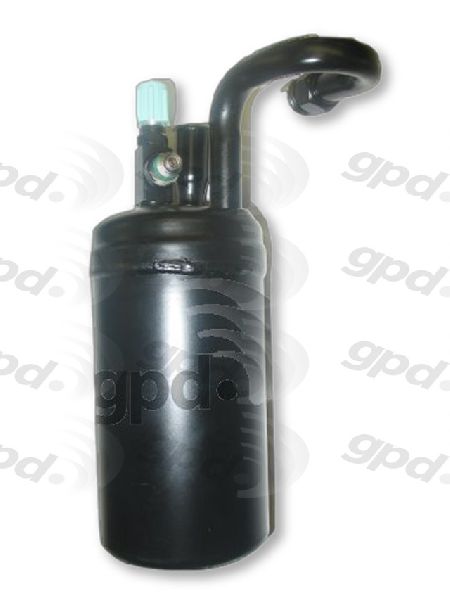
For a vehicle like the 1988-1997 Ford Ranger, aftermarket A/C accumulators offer a cost-effective and reliable solution. OEM parts can be difficult to source and significantly more expensive. Aftermarket brands like Four Seasons, Global Parts (GPD), and Spectra are widely available and produce parts that meet or exceed original specifications. Owner and mechanic feedback suggests that brands like Four Seasons are a dependable choice, with some users noting that aftermarket parts can sometimes share the same manufacturing origins as OEM parts, differing only by the sticker. When choosing, ensure the part is listed as a direct fit for your Ranger's specific year and engine to avoid installation issues.
| Part Type | Estimated Cost |
|---|---|
| New Aftermarket Accumulator | $39.68 - $58.40 |
| Shop Labor (Evacuate & Recharge) | $100 - $200 |
Pro Tip: Replace More Than Just the Accumulator
Anytime you open the A/C system to replace the accumulator, you MUST also replace the orifice tube. This small, inexpensive filter is crucial for the system's operation. It's also wise to get a new set of O-rings for the line connections to ensure a tight seal.
Frequently Asked Questions (FAQ)
Can I replace the A/C accumulator myself?
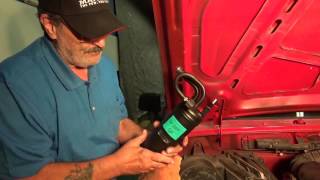
While the physical replacement is straightforward for a DIYer 🎬 Watch how easily the accumulator is replaced on Ford Rangers. with common tools, the A/C system requires special procedures. The refrigerant must be legally and safely recovered by a certified shop before you start work. After you install the new accumulator, the system must be put under a vacuum to remove all air and moisture before being recharged with the correct amount of refrigerant and oil. For this reason, most of the job is best left to a professional or a very well-equipped home mechanic.
Do I need special tools to replace the accumulator?
Yes. You will need a specific A/C line disconnect tool (often a plastic, color-coded set) to release the spring-lock fittings 🎬 See a step-by-step guide for replacing your A/C accumulator. on the lines connected to the accumulator. You will also need standard wrenches for the mounting bracket and other line fittings.
Do I need to add oil when replacing the accumulator?
Yes. When you replace the accumulator, you are removing some of the PAG oil that lubricates the compressor. You must measure the oil from the old accumulator and add the same amount of new, correct-spec PAG oil back into the system. Failure to do so can lead to compressor failure.
My Ranger was made before 1994. Does that change anything?
Yes. Rangers made before the 1994 model year likely used R12 refrigerant from the factory. Systems from 1994 and later use R134a. If your older Ranger has been converted to R134a, the replacement procedure is similar, but ensure you are using parts and oil compatible with R134a. If it has not been converted, this is the perfect time to do so, as R12 is no longer readily available. This often involves replacing more components than just the accumulator.
Helpful Videos
Technical Specifications
The accumulator for a 1988-1997 Ford Ranger is a cycling clutch orifice tube (CCOT) system component. It includes a port for the low-pressure cycling switch. Models from 1995-1997 may use a different part than earlier years. Always verify fitment with your vehicle's year and engine size.
We Have This Part in Stock

The information in this article is provided for general reference and educational purposes only. Vehicle specifications, procedures, and part compatibility can vary by production date, trim level, and region. Always consult your vehicle's factory service manual and verify part numbers before purchasing or performing repairs. Safety-critical components such as airbags, seat belts, and braking systems should be installed by a qualified professional.
- Ford Ranger: