

A Guide to Alignment Caster/Camber Kits for the 1988-1997 Ford Ranger
Correct your Ranger's alignment to prevent uneven tire wear and fix steering pull, especially on lifted or aging trucks.
- The 1988-1997 Ranger's Twin I-Beam suspension lacks factory adjustment, making aftermarket caster/camber kits essential for proper alignment.
- These kits are required to fix common issues like uneven tire wear and steering pull, especially after lifting or leveling the truck.
- Installation of the bushings is DIY-friendly, but a professional alignment is mandatory immediately afterward to set the angles correctly.
- Choose a standard kit (e.g., Mevotech) for stock height trucks or a high-adjustment kit (e.g., Skyjacker, Pro Comp) for lifted applications.
Why Your Ranger Needs an Alignment Kit

The 1988-1997 Ford Ranger has a unique front suspension known as the Twin I-Beam (TIB) on 2WD models and Twin Traction Beam (TTB) on 4WD models. This design is durable but can be difficult to align properly as it ages or if the ride height is changed. From the factory, these trucks have very limited, if any, means of adjusting caster and camber. An alignment caster/camber kit provides this necessary adjustability. Without it, you may not be able to correct issues like tire wear or steering pull, even after a professional alignment. Many alignment shops may not be familiar with the specifics of this older suspension design, and some may even say it's not possible to align without these kits.
Symptoms of Needing an Alignment Kit

If you notice the following issues, an alignment kit and subsequent alignment are likely needed:
- Uneven Tire Wear: The most common sign is tires wearing out on the inner or outer edge. This is a classic symptom of a bad camber angle.
- Vehicle Pulling: If your Ranger pulls to the left or right while you're trying to steer straight, your alignment is off.
- Poor Steering Wheel Return: After making a turn, the steering wheel should naturally start to return to center. If it doesn't, it could be a caster issue.
- Wandering or Loose Steering: A feeling that you constantly have to make small corrections to keep the truck straight can be caused by incorrect alignment angles.
Pro Tip for Lifted Trucks
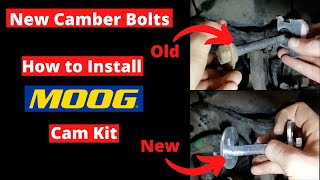
If you have lifted your Ranger, even with just a 2-inch leveling kit, these alignment kits are not just recommended—they are a necessity. Lifting the truck dramatically changes the suspension geometry, causing significant positive camber 🎬 See how to install a cam kit to correct alignment issues. (tops of the tires tilt outward), which will rapidly destroy your tires.
Choosing the Right Aftermarket Kit

Since the factory often didn't provide an adjustable part, the aftermarket is your primary source. The kits available generally fall into categories based on the amount of adjustment they provide.
- Stock/Slightly Worn Suspension: For a Ranger at stock height, a basic kit offering around ±1.0° to ±2.25° of adjustment is usually sufficient. Brands like Mevotech offer affordable, standard-range kits that are a good replacement for the non-adjustable factory bushings.
- Lifted or Heavily Worn Suspension: For lifted trucks or those with significant alignment issues, you'll need a kit with a wider range of adjustment, such as ±2.0° to ±4.0°. Brands like Skyjacker and Pro Comp specialize in off-road and lifted applications and are more likely to offer these higher-degree bushings.
| Brand Tier | Brands | Typical Use Case | Our Price Range |
|---|---|---|---|
| Standard Replacement | Mevotech | Stock height, daily driving, correcting for minor wear | $11.52 - $25.00 |
| Lift & Off-Road | Pro Comp, Skyjacker | Lifted trucks, off-road use, maximum adjustability | $45.00 - $66.99 |
Important: Installation and Alignment
While installing the bushings themselves is a DIY-feasible task for a home mechanic, it is only the first step. The vehicle is not drivable over long distances and will still have alignment problems until a professional alignment is performed using the new adjustability. Always get a professional four-wheel alignment immediately after installing these kits.
Frequently Asked Questions

What are Caster and Camber?
Camber is the inward or outward tilt of the top of the tire when viewed from the front of the truck. Too much outward tilt (positive camber) wears the outside of the tire, while too much inward tilt (negative camber) wears the inside. Caster is the forward or backward tilt of the steering axis when viewed from the side. Correct caster is critical for steering stability and helping the steering wheel return to center after a turn.
Do I need this kit if my truck isn't lifted?
Yes, it's highly recommended. Over decades, springs can sag and components wear, changing the suspension geometry. An alignment kit allows a technician to compensate for this wear and bring the alignment back to factory specifications, which might not be possible with the original non-adjustable parts.
Can I install an alignment kit myself?
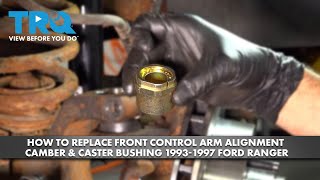
Yes, the physical installation of the bushings can be done at home. It involves jacking up the vehicle, removing the wheel, loosening a pinch bolt on the steering knuckle, and replacing the old sleeve with the new one. 🎬 Watch a step-by-step guide on replacing these front alignment bushings. However, you cannot complete the job at home. You must take the truck to an alignment shop to have the angles set correctly with professional equipment.
How do I know what degree of bushing to buy?
You won't know the exact degree needed until the truck is on an alignment rack. The best practice is to have a shop diagnose the alignment first to see how far out it is. If you are installing the kit before the alignment, it's often safer to buy a kit with a wider range of adjustment (e.g., ±2.5° or more), especially if your truck is lifted.
Are there any recalls or TSBs for this issue?
Searches for recalls and Technical Service Bulletins (TSBs) from the National Highway Traffic Safety Administration (NHTSA) for the 1988-1997 Ford Ranger did not show any specific entries for caster/camber alignment kits or systemic alignment problems requiring a recall. This is considered a standard maintenance and modification issue.
Helpful Videos
Technical Specifications
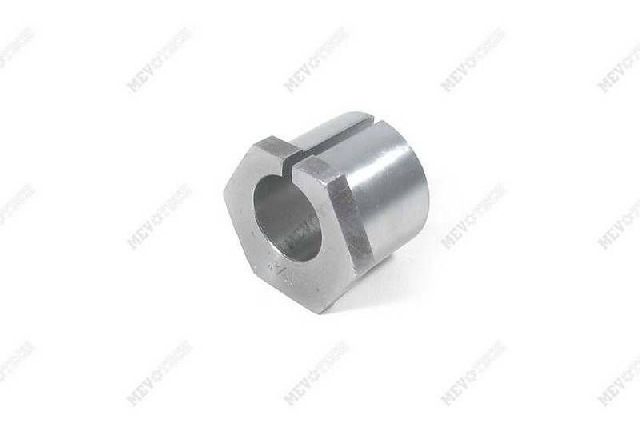
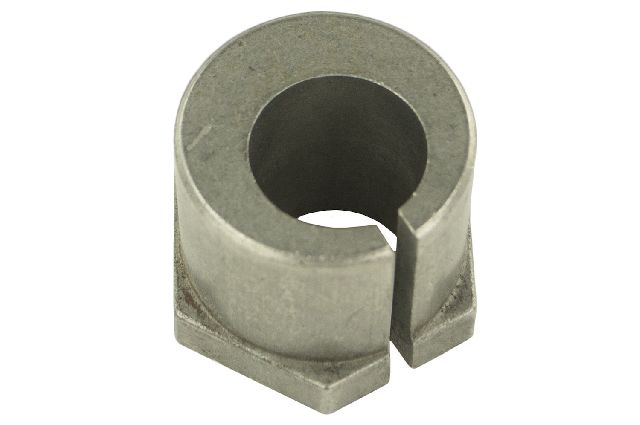
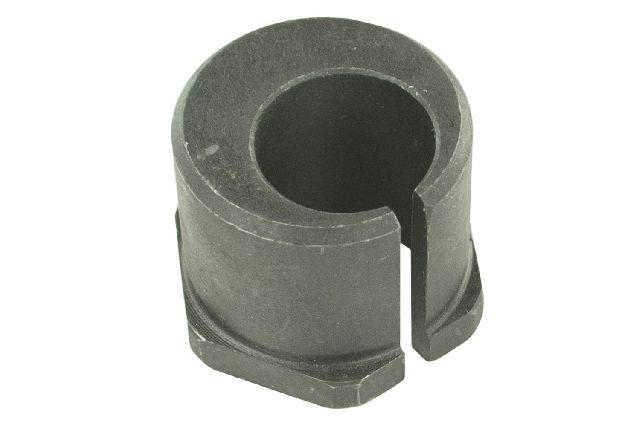
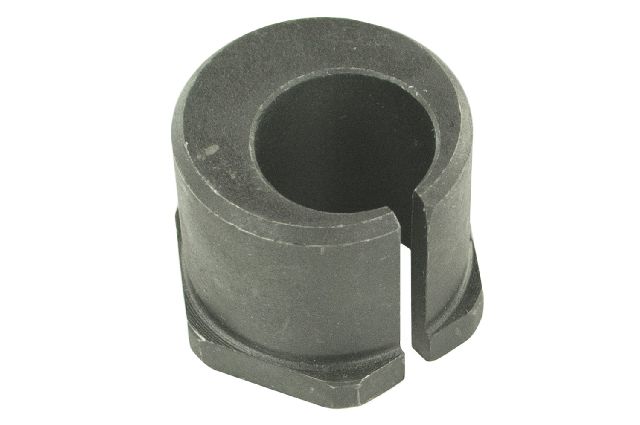
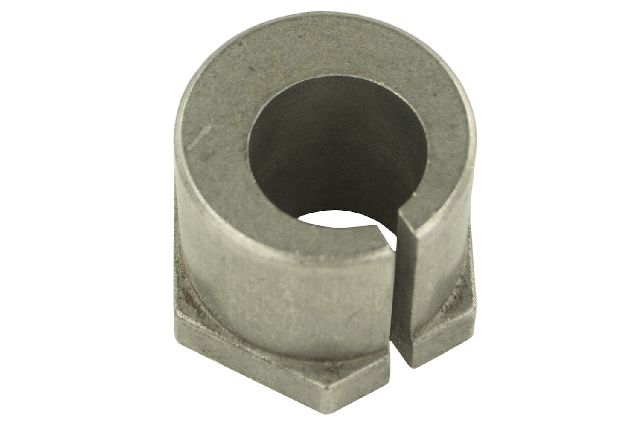
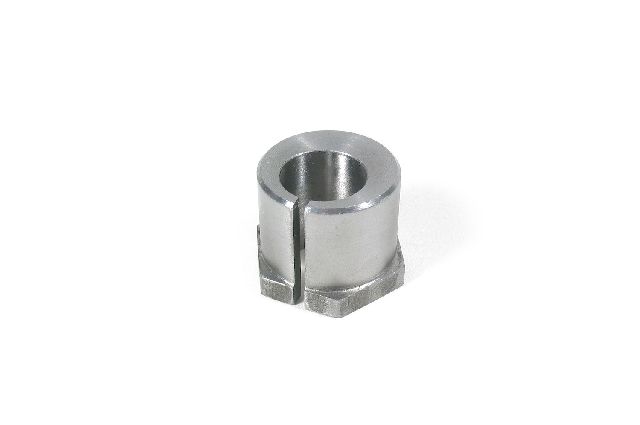
The primary specification is the adjustment range, typically from +/- 1.0 degree to +/- 4.0 degrees of caster and/or camber. The part is an eccentric bushing that fits into the upper ball joint mounting location on the steering knuckle.
We Have This Part in Stock

The information in this article is provided for general reference and educational purposes only. Vehicle specifications, procedures, and part compatibility can vary by production date, trim level, and region. Always consult your vehicle's factory service manual and verify part numbers before purchasing or performing repairs. Safety-critical components such as airbags, seat belts, and braking systems should be installed by a qualified professional.
- Ford Ranger: