

Mazda MX-6 Engine Coolant Temperature Sensor Guide (1988-1997)
Fix poor idle, bad fuel economy, and overheating issues by understanding and choosing the right coolant temperature sensor for your MX-6.
- Verify your engine (Gen 1 vs. Gen 2, 4-cyl vs. V6) before ordering.
- For 1993-1997 V6 models, carefully inspect the connector on the new part to ensure it matches your old one.
- A bad sensor for the ECU can cause overheating even if your dashboard temperature gauge reads normal.
- Spending a few extra dollars on a reputable brand like NGK, Delphi, or Beck Arnley can prevent future headaches.
Engine Generations and Sensor Differences
The 1988-1997 Mazda MX-6 covers two different generations of car. The first generation is from 1988-1992 and the second is from 1993-1997. These cars used different engines, which means the parts are often not interchangeable. The Engine Coolant Temperature (ECT) sensor for the ECU is different from the sender for the temperature gauge, and may also be different between the 4-cylinder and V6 engine options.
A Critical Ordering Mistake for V6 Owners
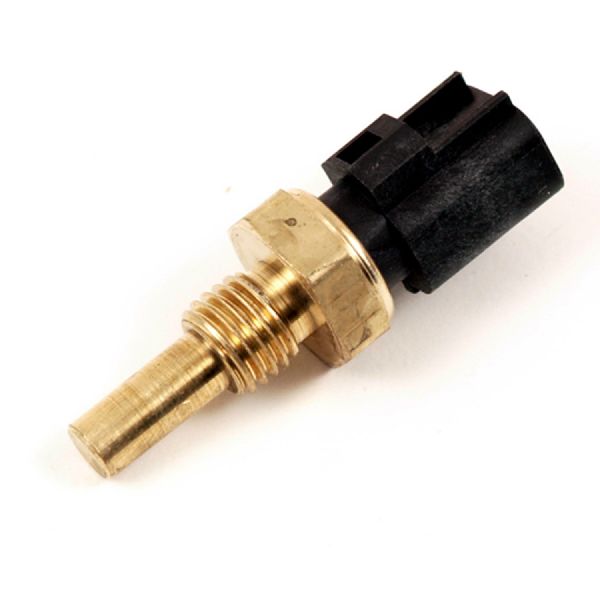
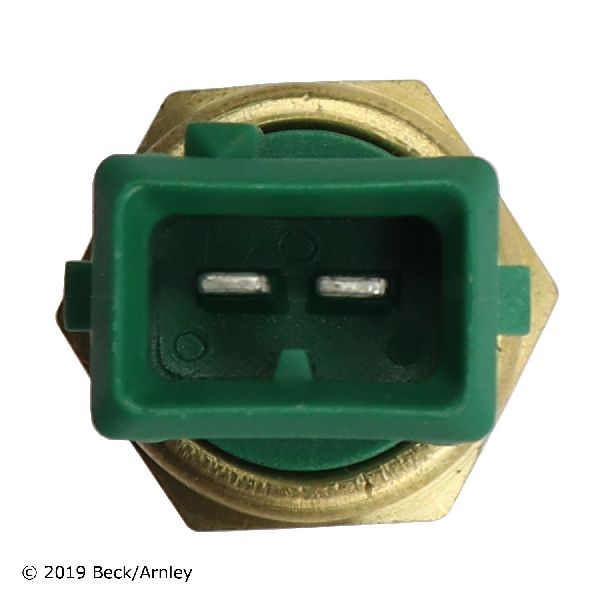
Owners of the second-generation (1993-1997) MX-6 with the 2.5L V6 KL-DE engine have reported a common issue. Many aftermarket sensors have a connector keying pattern that is reversed from the original part. This means the new sensor will not plug into the factory wiring harness. Before ordering, carefully compare the 'noses' or slots on the connector of your original sensor with the photos of the new part to ensure they match. Modifying the connector is not recommended as it can lead to a poor connection and incorrect signals to the ECU.
Symptoms of a Failing ECT Sensor
When the ECT sensor fails, it sends wrong information to the engine's computer. This can cause a variety of problems:
- Poor Fuel Economy: If the sensor wrongly tells the ECU the engine is cold, the computer will enrich the fuel mixture, wasting gas.
- Black Smoke from Exhaust: This is a sign of a very rich fuel mixture, where unburned fuel is exiting through the exhaust.
- Rough Idle or Stalling: The engine may run rough, shake, or stall, especially when it should be at a stable idle temperature.
- Hard Starting: The engine might be difficult to start, either when it's cold or when it's already warmed up.
- Check Engine Light: On 1996 and 1997 models with OBD-II, a bad sensor will likely trigger the Check Engine Light.
- Engine Overheating or Fans Not Working: The ECU relies on the sensor to know when to turn on the radiator fans. If the sensor fails, the fans may not turn on when needed, leading to overheating, especially in traffic.
Choosing the Right Aftermarket Part
With an older vehicle like the MX-6, you don't necessarily need to buy the expensive OEM part from a dealer. Many aftermarket brands offer good quality parts, but quality can vary. For a critical sensor like this, it's best to avoid the absolute cheapest option.
Brand Quality Tiers (Based on Owner Feedback)
- Tier 1 (OEM Quality or Reputable): Brands like NGK (NTK), Delphi, and Beck Arnley are often considered high-quality. Beck Arnley is known for sourcing parts from the original manufacturers, so you might find an OEM part in their box. These are a reliable choice.
- Tier 2 (Standard Aftermarket): Brands like Standard Ignition (SMP), Hella, and Four Seasons are well-known in the aftermarket and are generally a solid choice for a balance of price and quality.
- Tier 3 (Budget): Brands like Walker Products, URO Parts, and other less-known names can be hit-or-miss. While they are inexpensive, a faulty sensor can cause frustrating driveability issues that cost more to diagnose and fix in the long run.
Pro Tip: When you replace the sensor, it's a good time to check your coolant level and condition. Since you will lose a small amount of coolant during the swap, have some compatible coolant ready to top off the system.
Cost of Replacing the ECT Sensor
| Part Type | Estimated Cost |
|---|---|
| New Aftermarket | $10 - $48 |
| Shop Labor | $50 - $100 |
| Total Estimated Cost | $60 - $148 |
Frequently Asked Questions (FAQ)
Can I replace the ECT sensor myself?
Yes, this is a beginner-friendly job. The sensor is usually easy to access on the engine, often near the thermostat housing. The process involves disconnecting the electrical plug, using a wrench to unscrew the old sensor, and quickly screwing the new one in to minimize coolant loss. Always perform this job on a cold engine.
What's the difference between the temperature SENSOR and the temperature SENDER?
The ECT Sensor sends information to the engine computer (ECU). It typically has two or more wires. The temperature Sender sends information to the temperature gauge on your dashboard. It is a separate part and usually has only one wire. It is possible for one to fail while the other works perfectly.
Are there any recalls for the Mazda MX-6 ECT sensor?
No. Searches of the National Highway Traffic Safety Administration (NHTSA) database show no recalls related to the engine coolant temperature sensor for the 1988-1997 Mazda MX-6.
Does my 1990 MX-6 have a Check Engine Light code for this?
Pre-1996 models use an older diagnostic system (OBD-I) that is less detailed than the later systems. While a failing sensor can cause a fault code, reading it is more complex than with an OBD-II scanner. For 1996-1997 models, a faulty ECT sensor will almost certainly trigger a Check Engine Light with a specific code (like P0115-P0118) that can be read with a standard scanner.
Technical Specifications
OEM Part Numbers: 8574-18-840 FSB9-18-840
Note: Part numbers may differ between engine types (4-cylinder vs. V6) and generations (1988-92 vs. 1993-97). Always verify fitment using your vehicle's VIN. The connector keying is a known issue on some models.
We Have This Part in Stock


The information in this article is provided for general reference and educational purposes only. Vehicle specifications, procedures, and part compatibility can vary by production date, trim level, and region. Always consult your vehicle's factory service manual and verify part numbers before purchasing or performing repairs. Safety-critical components such as airbags, seat belts, and braking systems should be installed by a qualified professional.
- Mazda MX-6: