

Mazda MX-6 Oxygen Sensor Guide (1988-1997)
Fix your check engine light, poor gas mileage, and rough idle by choosing the right oxygen sensor for your MX-6.
- For best results and compatibility, choose an aftermarket sensor from an OEM brand like Denso or NGK/NTK.
- Pre-1996 models use OBD-I diagnostics; check codes with the 'paperclip method' instead of a scanner.
- Sensors are often seized; let the exhaust cool completely and use penetrating oil to avoid damaging the exhaust pipe.
- A bad O2 sensor will cause poor fuel economy and can damage your expensive catalytic converter if ignored.
Is Your MX-6 Oxygen Sensor Failing?
A bad oxygen sensor can cause problems that you'll definitely notice. Because it directly impacts your engine's air-fuel ratio, the symptoms are often related to poor engine performance. Ignoring them can lead to more expensive repairs down the road, like a damaged catalytic converter.
- Check Engine Light: This is the most common sign. For 1996-1997 models, a standard OBD-II scanner will show codes like P0130-P0167. For earlier 1988-1995 models, you'll need to check the OBD-I codes (see FAQ).
- Poor Fuel Economy: One of the most frequent complaints. A bad sensor often causes the engine to run rich, meaning it uses more fuel than necessary.
- Rough Idle or Engine Misfires: The engine may shake, idle erratically, or misfire because the fuel mixture is incorrect.
- Hesitation or Loss of Power: You might feel a lag or jerkiness when you accelerate.
- Failed Emissions Test: A bad O2 sensor is a common reason for failing a smog check due to high emissions levels.
- Rotten Egg Smell: In some cases, a very rich fuel mixture can cause a sulfur or rotten egg smell from the exhaust.
Choosing the Right Aftermarket O2 Sensor for Your MX-6
When shopping for a replacement, you'll find many brands. For Japanese vehicles like the Mazda MX-6, sticking close to the original equipment (OE) design is usually the best strategy for avoiding compatibility issues.
Brand Quality Tiers
- OEM-Equivalent Brands (Recommended): Denso and NGK (also sold as NTK) are the most common original equipment suppliers for Mazda and other Japanese automakers. Choosing a direct-fit sensor from one of these brands is the safest bet for plug-and-play installation and reliable performance. Forum users and mechanics consistently recommend them for Japanese cars.
- Premium Aftermarket Brands: Bosch invented the modern oxygen sensor and is a top-quality manufacturer. While they are an excellent brand, some mechanics report occasional compatibility issues with certain Japanese vehicles that were originally equipped with Denso or NTK sensors. However, a direct-fit Bosch sensor is still a very solid choice.
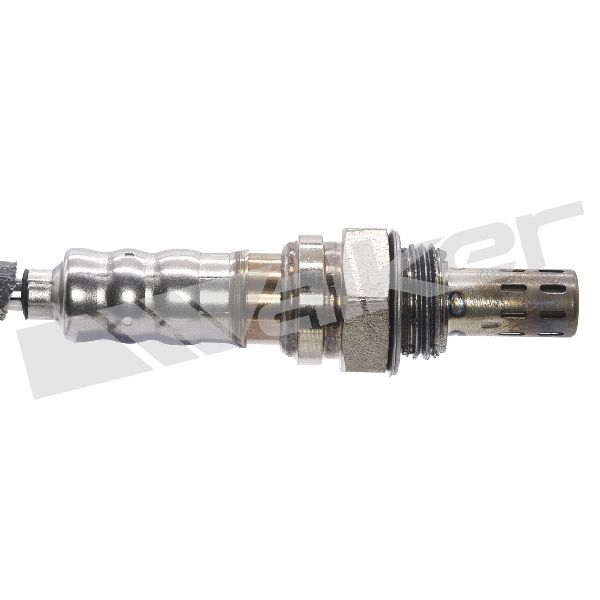
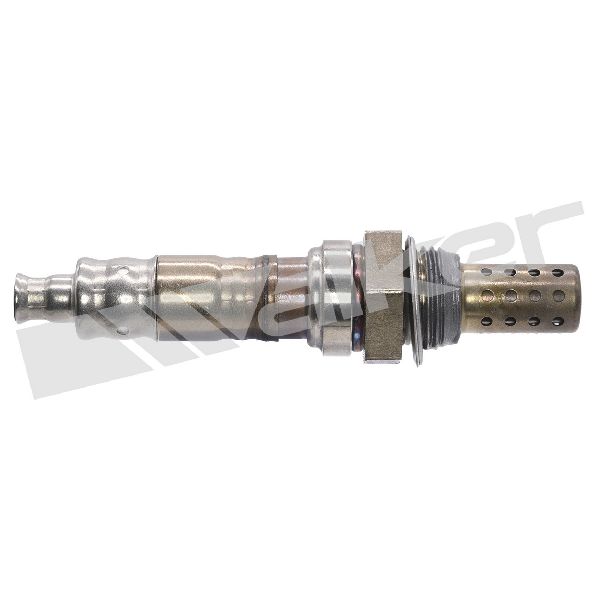
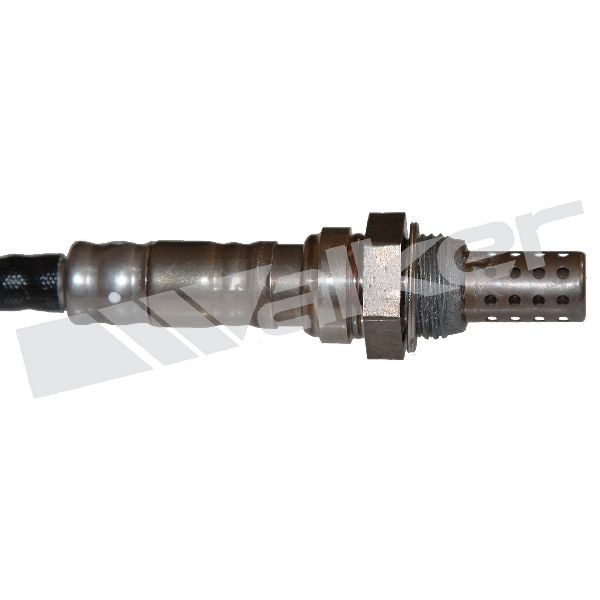
- Quality Aftermarket Brands: Brands like Delphi, Spectra, and Walker Products offer a good balance of quality and price. They are reputable manufacturers that produce reliable parts.
- Economy Brands: Brands like DriveWire and Facet provide a budget-friendly option. While they can get the job done, their lifespan and precision may not match the higher-tier brands.
Pro Tip: Direct-Fit vs. Universal Sensors
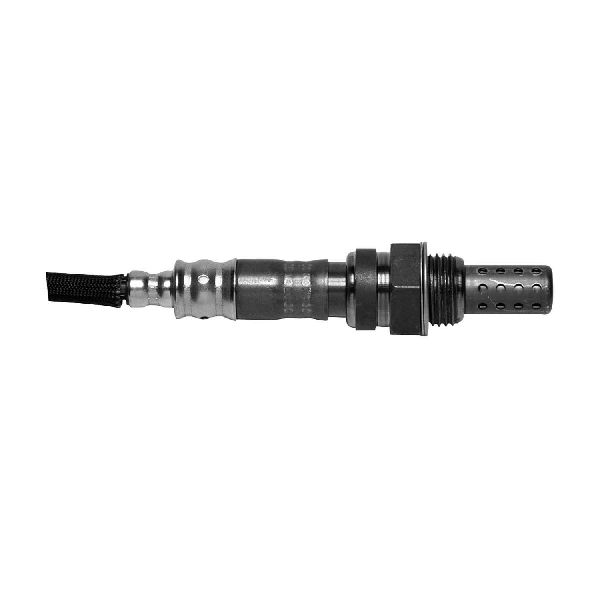
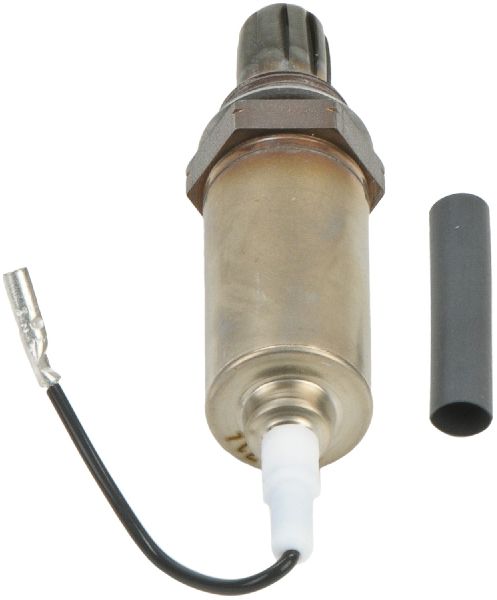
You will see both "Direct-Fit" and "Universal" sensors available. A Direct-Fit sensor has the correct wiring harness and connector for your MX-6, making installation a simple plug-and-play process. A Universal sensor is cheaper but requires you to cut the connector off your old sensor and splice it onto the new one. For a hassle-free repair, a direct-fit sensor is highly recommended.
Cost of Replacing a Mazda MX-6 Oxygen Sensor
| Part Type | Estimated Cost |
|---|---|
| New Aftermarket Sensor | $22 - $134 |
| Shop Labor | $60 - $150 |
| Total Estimated Cost | $82 - $284 |
Cost estimates are for a single sensor and can vary based on your location, vehicle's engine (I4 vs. V6), and the specific part chosen.
Known Issue: Seized Oxygen Sensors
A Mazda Technical Service Bulletin (TSB 01-003/15) addresses a common issue: oxygen sensors getting stuck (seized) in the exhaust pipe due to years of heat and corrosion. To remove a stuck sensor, first let the exhaust cool completely. Then, spray a quality penetrating oil, like CRC Freeze-Off, on the threads and let it soak for several minutes before attempting to loosen it with a 22mm O2 sensor socket. Applying force to a hot exhaust or a dry sensor can damage the threads on the exhaust pipe, leading to a much more expensive repair.
Frequently Asked Questions (FAQ)
How do I check codes on my older MX-6 without an OBD-II port?
Models from 1988-1995 use an OBD-I diagnostic system. You can read the codes using a paperclip to jump two pins in the diagnostic connector under the hood. Bridge the 'TEN' and 'GND' terminals, turn the ignition to 'ON' (without starting the engine), and watch the check engine light flash. Long flashes are the 'tens' digit and short flashes are the 'ones' digit. For example, one long flash followed by seven short flashes is code 17 (Oxygen sensor).
How many oxygen sensors does my MX-6 have?
This depends on the year and engine.
• 1988-1995 (OBD-I): These models typically have one or two sensors located before the catalytic converter (upstream).
• 1996-1997 (OBD-II): These models have at least two sensors. The 2.0L I4 has one upstream (before the cat) and one downstream (after the cat). The 2.5L V6 has two upstream sensors (one for each cylinder bank) and at least one downstream sensor.
What is the difference between an upstream and downstream sensor?
The upstream sensor (also called Sensor 1) is located before the catalytic converter and is the primary sensor for adjusting the air-fuel mixture. The downstream sensor (Sensor 2), found on 1996+ models, is located after the catalytic converter and its main job is to monitor the converter's efficiency.
Do I need to use anti-seize on the new sensor?
Yes. Most new, high-quality sensors come with anti-seize compound pre-applied to the threads. If not, apply a small amount of high-temperature, nickel-based anti-seize to the threads before installation, being careful not to get any on the sensor tip itself. This will make removal much easier in the future.
Technical Specifications
OEM Part Numbers: FSC1-18-861B-9U
Location: Upstream (before catalytic converter) or Downstream (after catalytic converter, 1996+ models). Thread Size: M18x1.5. Wrench Size: 22mm.
We Have This Part in Stock

The information in this article is provided for general reference and educational purposes only. Vehicle specifications, procedures, and part compatibility can vary by production date, trim level, and region. Always consult your vehicle's factory service manual and verify part numbers before purchasing or performing repairs. Safety-critical components such as airbags, seat belts, and braking systems should be installed by a qualified professional.
- Mazda MX-6: