

A Practical Guide to Replacing Engine Mounts on a 1988-1997 Toyota Corolla
Eliminate engine vibrations and clunking noises by understanding your replacement engine mount options.
- Symptoms of failure include heavy vibration at idle, clunking noises on acceleration, and visible engine lurching.
- For longevity, OEM mounts are highly recommended by owners; many cheap aftermarket brands are known to fail quickly or increase vibration.
- If choosing aftermarket, consider better-quality brands like Pioneer or MTC over budget options like Anchor or DEA.
- It is best practice to replace all engine and transmission mounts as a set to ensure proper alignment and prevent future failures.
Is Your Corolla Shaking or Making Clunking Noises?

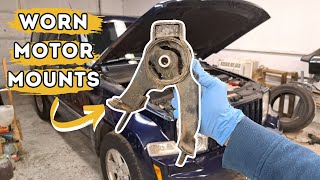
If you're feeling a lot of vibration in the steering wheel at idle, or hearing a loud clunk or bang from the engine bay when you accelerate or shift gears, you likely have a bad engine mount. These parts are made of rubber that hardens, cracks, and tears over time, allowing the engine to move more than it should. On the 1988-1997 Toyota Corolla, this is a common wear item that can make a reliable car feel rough and unpleasant to drive.
🎬 Watch: Learn what engine mounts do and signs of failure.Symptoms of a Failing Engine Mount

- Excessive Vibration: You may feel shaking in the steering wheel, the floor, or the whole car, especially when the car is in gear and stopped at a light.
- Loud Noises: A distinct "clunk" or "thump" from the engine area when you accelerate, decelerate, or put the car into gear is a classic sign.
- Visible Engine Movement: If you have a helper, you can check for this. With the hood open and the parking brake on, have them shift from Drive to Reverse while holding the brake. If you see the engine lurch or lift excessively, one or more mounts have failed. 🎬 See this video to help locate which mount is bad.
Don't Ignore Bad Mounts
While you can still drive the car, a bad engine mount puts extra stress on your transmission, CV axles, and exhaust system. Fixing it sooner rather than later prevents more expensive repairs down the road.
Choosing the Right Aftermarket Mount: A Tiered Approach

For a car like the 1988-1997 Corolla, you have options. While original Toyota (OEM) mounts offer the best fit and longest life, they are also the most expensive. Aftermarket parts can save you money, but quality varies greatly.
Tier 1: Good Quality Aftermarket
These brands aim to provide a balance of quality and value, making them a solid choice for a daily driver.
- Pioneer: Often recommended in forums as a step-up from budget brands. Users report good fit and function, though the materials may not be as robust as OEM.
- MTC: This brand markets itself as an OEM-quality alternative. They use quality materials and manufacturing processes, making them a potentially reliable option.
Tier 2: Economy / Budget Brands
These brands offer the lowest price, but be cautious. Many owners report issues with these mounts.
- Anchor, DEA, Westar: These brands are often grouped together as low-cost options. However, there are many reports of these parts failing in as little as a year, or causing more vibration than the old, worn-out part they replaced. If you plan on keeping your Corolla for a while, it's often worth spending more to avoid doing the job twice.
Pro-Tip for 1988-1989 Manual Transmission Models
Toyota issued a Technical Service Bulletin (TSB #89toyota03) for early models with manual transaxles. It notes that excessive vibration can sometimes be caused by a mount being out of adjustment, not failed. The mount has slotted bolt holes allowing for adjustment. It also states that broken internal webbing on these specific mounts is for assembly purposes only and is not a reason for replacement.
Cost of Replacing Toyota Corolla Engine Mounts
| Part Type | Price Range (Single Mount) |
|---|---|
| New OEM | $60 - $215 |
| New Aftermarket | $18.94 - $56.49 |
| Shop Labor (Full Set) | $250 - $500 |
Frequently Asked Questions

Should I replace all the engine mounts at once?
It's highly recommended. When one mount fails, it puts extra stress on the others, causing them to wear out faster. Replacing them all at once saves you from having to do the job again in a few months and ensures the engine is properly aligned and dampened.
Is it worth paying extra for OEM mounts?
If you plan to keep your Corolla for many more years, yes. Forum discussions are very clear that genuine Toyota mounts provide the best performance and longevity. If you are on a tight budget or the car is not expected to last long, a Tier 1 aftermarket brand is a reasonable compromise.
Can I replace the engine mounts myself?
The front, left, and right mounts are generally accessible and can be replaced by a DIYer with a good set of tools and a floor jack to support the engine. 🎬 Watch a full walkthrough of replacing mounts on this Corolla. The rear mount on many of these Corollas is much more difficult, as it may require lowering the engine crossmember to access.
How do I know which specific mount is bad?
You can sometimes tell by watching the engine movement. If the engine lifts up when accelerating in Drive, the rear mount is likely bad. If it moves side-to-side, the left or right mounts are suspect. A visual inspection can also reveal cracked or torn rubber on the failed mount.
Helpful Videos
Technical Specifications
OEM Part Numbers: 12372-15110 12362-16120 12361-16040 12361-15181 12318-15060
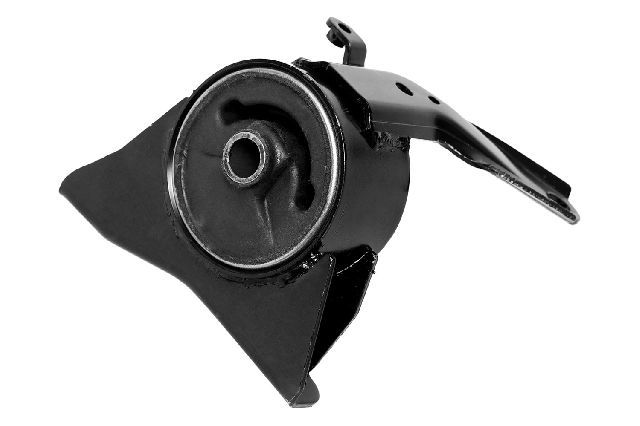
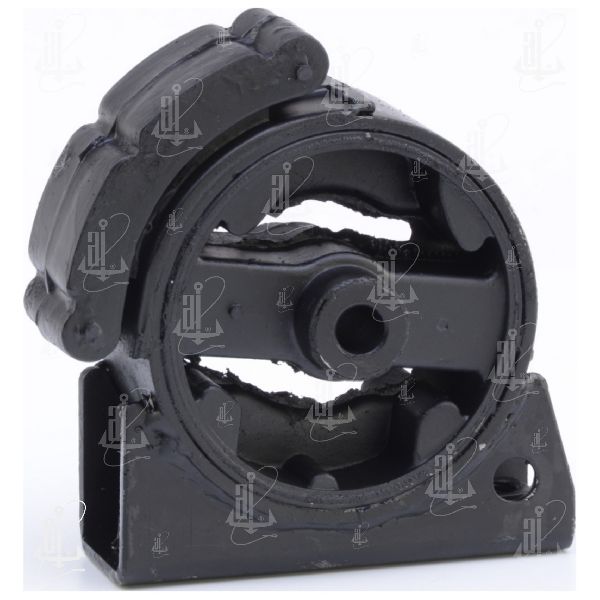
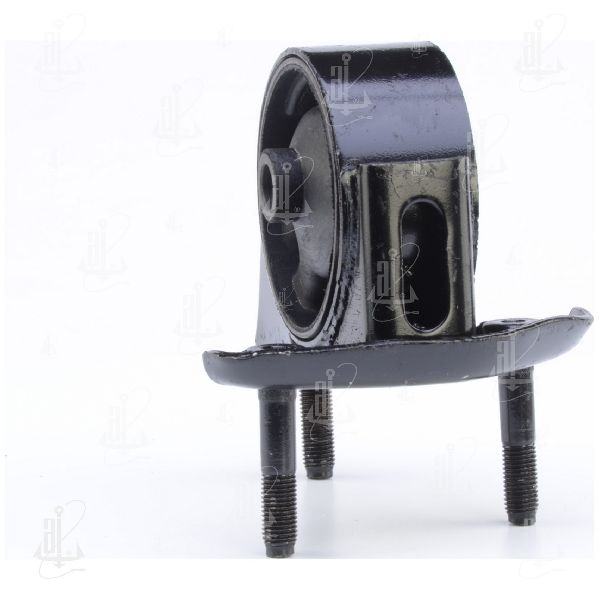
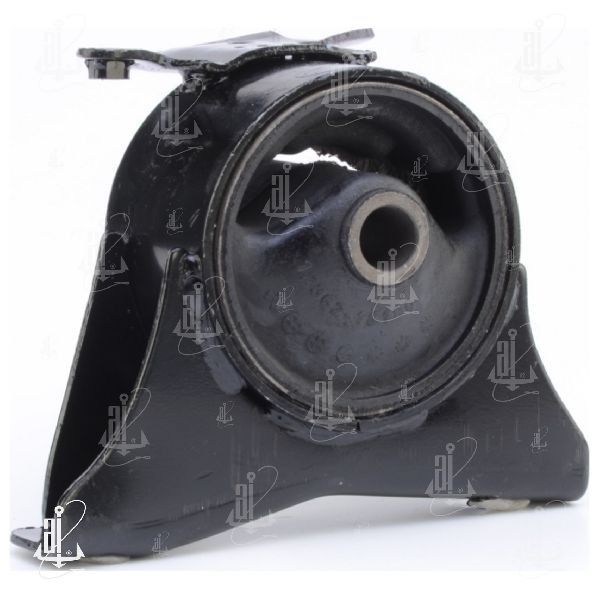
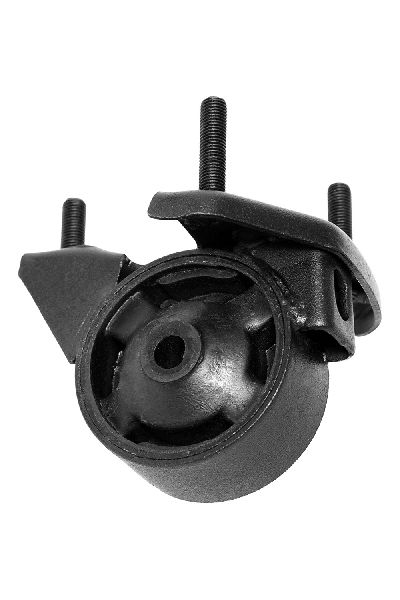
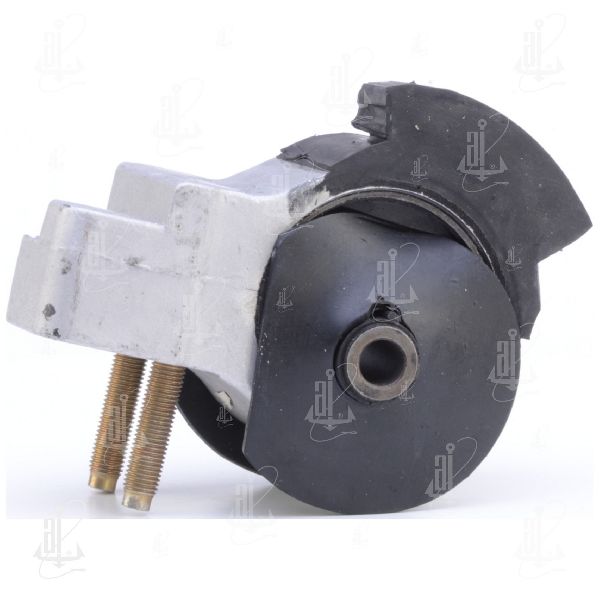
Vehicle typically uses 3-4 mounts: front, rear, left (transmission), and right (engine side). Mounts are made of steel and bonded rubber; some may be fluid-filled. The specific mount needed depends on the model year, engine (1.6L or 1.8L), and transmission type (manual or automatic).
We Have This Part in Stock

The information in this article is provided for general reference and educational purposes only. Vehicle specifications, procedures, and part compatibility can vary by production date, trim level, and region. Always consult your vehicle's factory service manual and verify part numbers before purchasing or performing repairs. Safety-critical components such as airbags, seat belts, and braking systems should be installed by a qualified professional.
- Toyota Corolla:
- 🎬 Helpful Videos
- 🛍️ Shop This Part
- Is Your Corolla Shaking or Making Clunking Noises?
- Symptoms of a Failing Engine Mount
- Don't Ignore Bad Mounts
- Choosing the Right Aftermarket Mount: A Tiered Approach
- Tier 1: Good Quality Aftermarket
- Tier 2: Economy / Budget Brands
- Pro-Tip for 1988-1989 Manual Transmission Models
- Cost of Replacing Toyota Corolla Engine Mounts
- Frequently Asked Questions
- 🎟️ Get 5% Off