

Ford F53 Alternator Guide for 1988-1998 Models
Keep your motorhome's lights on and batteries charged by choosing the right alternator for your Ford F53 chassis.
- Verify your F53's required amperage, regulator type (internal/external), and pulley style before ordering a replacement.
- For RVs with extra electrical loads, consider a high-output alternator and a corresponding charge wire upgrade.
- Charging problems can also be caused by bad belts, wiring, or a faulty battery isolator solenoid.
- A quality remanufactured alternator is a reliable and cost-effective alternative to a brand new unit.
Is Your F53 Alternator Failing?
When an alternator starts to go bad, it gives you warning signs. Paying attention to them can prevent you from getting stranded with a dead battery. Since the F53 chassis has heavy electrical demands, these symptoms can appear quickly.
- Dim or Flickering Lights: Headlights and interior lights may pulse, flicker, or appear dimmer than usual as the alternator struggles to provide consistent power.
- Battery Warning Light: A battery symbol, "ALT," or "GEN" light on your dashboard is a direct indicator of a charging system problem.
- Whining or Grinding Noises: A high-pitched whine or a grinding sound from the engine bay often points to failing bearings inside the alternator.
- Dead Battery: The alternator's job is to recharge the battery while you drive. If your battery keeps dying, the alternator is likely the culprit.
- House Battery Issues: In an RV, if you notice your house batteries aren't charging while driving, it could be a problem with the alternator or the battery isolator system connected to it.
Check More Than Just the Alternator
Sometimes, charging problems aren't the alternator itself. Before replacing it, check for a loose or worn-out serpentine belt, corroded battery cables, or bad ground connections. In F53 motorhomes, a faulty battery isolator solenoid can also prevent the alternator from charging the house batteries.
Choosing the Right Aftermarket Alternator for Your F53
The 1988-1998 model years saw several changes in Ford's charging systems. Ordering the correct part requires checking a few key details on your existing alternator. Mismatched parts are the most common ordering mistake.
1. Match the Amperage (Amps)
Amperage is the measure of electrical output. Your replacement must meet or exceed your original's rating. F53 chassis came with various alternators, from 60 amps to 130 amps. Using an underpowered alternator will lead to poor charging and premature failure. If you've added electrical accessories like extra lights or audio equipment, consider a high-output alternator.
2. Internal vs. External Voltage Regulator
Some earlier models in this generation used an external voltage regulator, a separate box mounted in the engine bay, while later models integrated the regulator inside the alternator. You must match your original setup. An alternator with an internal regulator will not work correctly on a system designed for an external one, and vice-versa.
3. Pulley Type
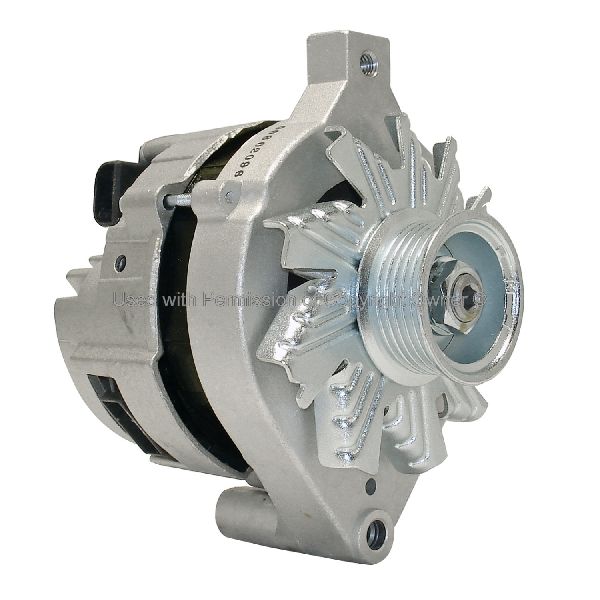
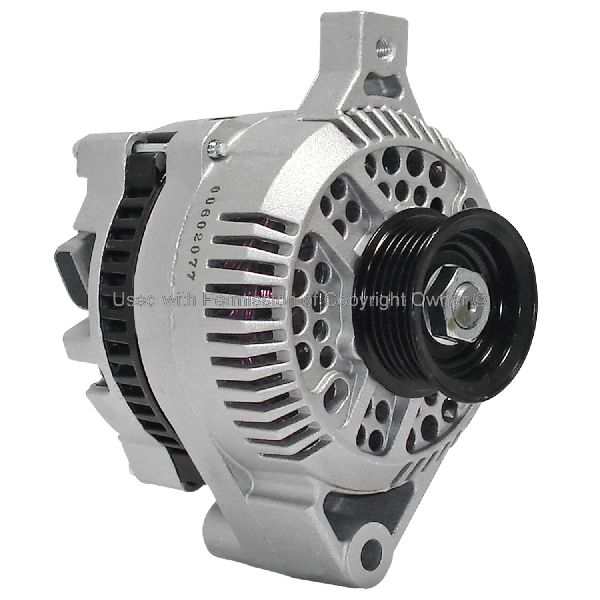
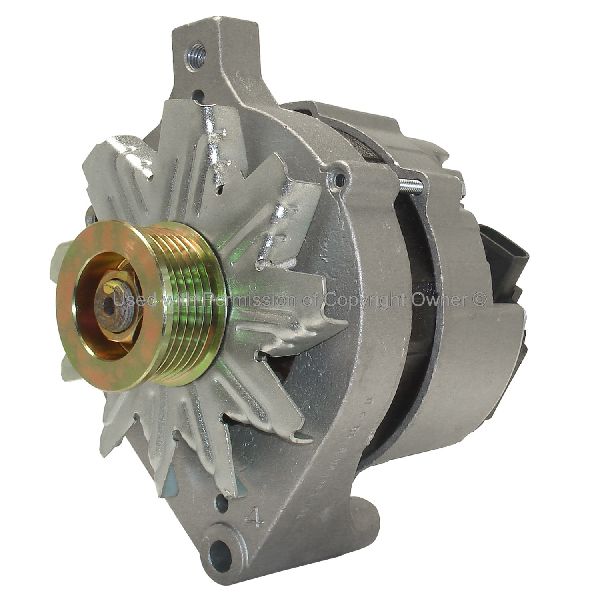
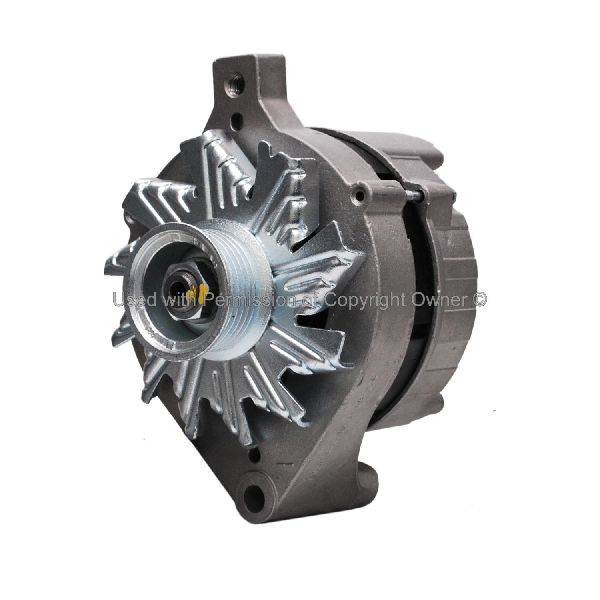
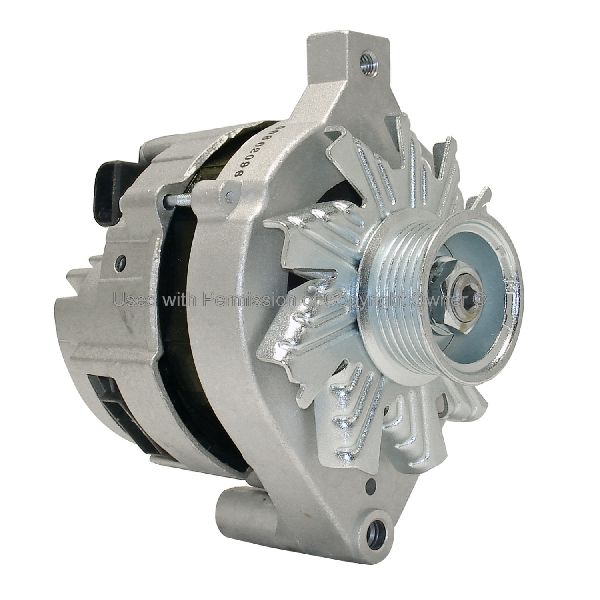
Check if your alternator uses a single V-groove belt or a multi-groove (serpentine) belt. The pulleys are not interchangeable. Ensure your new alternator comes with the correct pulley installed.
Pro Tip: Inspect Before You Order
The best way to ensure you get the right part is to look at the alternator currently on your F53. Look for a sticker or stamp indicating the amperage. Note the wiring connections and the type of belt it uses. This 10-minute inspection can save you from the headache of a return.
Aftermarket Brand Tiers
You have several good options when it comes to aftermarket brands.
- High-Output/Performance (Powermaster, Proform): Brands like Powermaster specialize in high-amperage alternators, perfect for RVs with heavy electrical loads or added accessories. These are premium options that often require upgrading the main charge wire to handle the extra power.
- Standard OE Replacement (ACDelco, MPA): These brands provide reliable, direct-fit replacements that are designed to meet or exceed original factory specifications. ACDelco is a well-regarded name, though primarily associated with GM vehicles, it offers parts for many applications. MPA (Motorcar Parts of America) is a major manufacturer of new and remanufactured parts sold under its own and other brand names like Quality-Built.
| Part Type | Estimated Cost |
|---|---|
| New Aftermarket | $41 - $215 |
| Remanufactured Aftermarket | $50 - $150 |
| New OEM | $150 - $450+ |
| Shop Labor | $150 - $400 |
Frequently Asked Questions (FAQ)
Do I need a high-output alternator for my F53?
If your RV is factory-stock and you haven't added major electrical components, a standard replacement that matches your original amperage is usually sufficient. However, if you have added solar panels, a large inverter, an upgraded sound system, or other power-hungry devices, a high-output alternator from a brand like Powermaster is a wise investment to keep up with the demand.
Will a new alternator fix my house battery charging problem?
It might. If the alternator is failing, it won't have enough power to charge the chassis battery, let alone the house batteries. However, F53 motorhomes use a battery isolator or solenoid to manage charging between the two battery banks. This component can also fail. If a new alternator doesn't solve the issue, the isolator is the next part to inspect.
How difficult is it to replace the alternator myself?
For a DIY mechanic with a good set of tools, it's a manageable job. The process involves disconnecting the battery, removing the engine cover ('doghouse') for access, loosening the serpentine belt, unbolting the old alternator, and swapping the electrical connections. Access can be tight in a motorhome engine bay, which makes it more challenging than on a pickup truck. Expect it to take 1.5 to 2.5 hours.
What does 'New' vs. 'Remanufactured' mean?
'New' aftermarket parts are built from 100% new components. 'Remanufactured' (or 'reman') parts use the original alternator's housing, which is cleaned and inspected, but all the internal wear components (bearings, brushes, regulator) are replaced with new ones. A quality remanufactured alternator from a reputable brand can be just as reliable as a new one and is a good value.
Technical Specifications
OEM part numbers vary significantly by year and engine. The key specifications to match are: Amperage (e.g., 60A, 75A, 95A, 130A), Voltage Regulator Type (Internal or External), and Pulley Type (V-Belt or Serpentine). Always verify against the original unit on the vehicle.
We Have This Part in Stock

The information in this article is provided for general reference and educational purposes only. Vehicle specifications, procedures, and part compatibility can vary by production date, trim level, and region. Always consult your vehicle's factory service manual and verify part numbers before purchasing or performing repairs. Safety-critical components such as airbags, seat belts, and braking systems should be installed by a qualified professional.
- Ford F53:
- 🛍️ Shop This Part
- Is Your F53 Alternator Failing?
- Check More Than Just the Alternator
- Choosing the Right Aftermarket Alternator for Your F53
- 1. Match the Amperage (Amps)
- 2. Internal vs. External Voltage Regulator
- 3. Pulley Type
- Pro Tip: Inspect Before You Order
- Aftermarket Brand Tiers
- Frequently Asked Questions (FAQ)
- 🎟️ Get 5% Off