

Volkswagen Golf Engine Crankcase Vent Valve Replacement Guide (1988-1998)
Solve common issues like rough idling, oil leaks, and hissing noises by understanding your Mk2 or Mk3 Golf's crankcase vent system.
- A failing crankcase vent valve commonly causes a rough idle, oil leaks, and hissing noises.
- This is a DIY-friendly repair, but be prepared to replace old, brittle breather hoses that are likely to crack during the job.
- For this part on an older Golf, a quality aftermarket brand like Vaico or a standard one like URO Parts offers a reliable and cost-effective solution.
- Ignoring a bad valve can lead to blown gaskets, engine sludge, and persistent oil leaks.
Is Your Golf's Crankcase Vent Valve Failing?
On a 1988-1998 Volkswagen Golf, the crankcase ventilation system is simple but crucial. When the main valve or its hoses fail, the pressure balance inside your engine is thrown off. This can lead to a variety of symptoms, from annoying to potentially damaging.
Top 5 Failure Symptoms
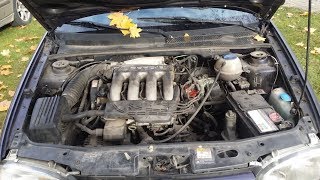
- Rough Idle or Misfiring: A common sign is an engine that idles unevenly or misfires. 🎬 Watch: Fixing idle issues on a 2.0L Golf engine This happens when a failed valve creates a vacuum leak, disrupting the air-fuel mixture.
- Oil Leaks: If the valve is clogged, pressure builds inside the crankcase. This pressure has to go somewhere, and it often pushes oil past gaskets and seals, causing leaks on your engine block or garage floor.
- Hissing or Whistling Noise: A distinct hissing or whistling sound from the engine bay at idle often points to a cracked valve or a leaking vacuum hose in the PCV system.
- Increased Oil Consumption: A valve stuck open can suck oil from the crankcase into the intake manifold, where it gets burned in the engine. This can lead to blue smoke from the exhaust and needing to top off your oil frequently.
- Check Engine Light: A failing PCV system can trigger a Check Engine Light for codes related to a lean fuel mixture (P0171) or random misfires (P0300).
Known Issues for This Generation
While no specific recalls or Technical Service Bulletins (TSBs) exist for the crankcase vent valve on the 1988-1998 Golf, a common failure point is the system's plastic and rubber components. After decades of heat cycles, the valve housing and especially the connected breather hoses become extremely brittle. It is very common for these hoses to crack or break during inspection or replacement. It is highly recommended to replace the related hoses when you replace the valve itself.
Choosing the Right Aftermarket Vent Valve
You don't need to buy a Genuine VW part to get your Golf running right. For a vehicle of this age, a quality aftermarket part offers the best balance of price and reliability. Here’s a breakdown of available brands.
Brand Quality Tiers
- Better (High-Quality Aftermarket): Brands like Vaico are well-regarded in the Volkswagen community. They often manufacture parts to high standards and are a solid choice for a reliable, long-lasting repair without the OEM price tag.
- Good (Standard Aftermarket): Brands like URO Parts and Motormite (Dorman) are widely available and offer a cost-effective solution. While sometimes viewed as budget options, they are a perfectly acceptable repair for this component and often come with a good warranty. For a simple mechanical part like this, these brands provide excellent value.
Mechanic's Tip
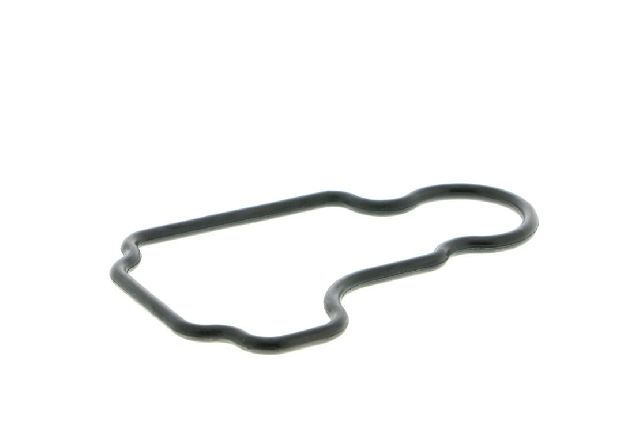
When removing the old valve, be extremely gentle with the connected hoses. They are likely fragile. If a hose cracks, it must be replaced to prevent vacuum leaks. When installing the new valve, apply a thin layer of clean engine oil to the gaskets. This helps them seal properly and stay in place during installation.
Cost of Replacing the Crankcase Vent Valve
| Part Type | Part Cost | Shop Labor Cost | Total Estimated Cost |
|---|---|---|---|
| New OEM | $90 - $200 | $75 - $110 | $165 - $310 |
| New Aftermarket | $21 - $136 | $75 - $110 | $96 - $246 |
| Used OEM | $15 - $50 | $75 - $110 | $90 - $160 |
Cost estimates are for informational purposes only and may vary by location and vehicle specifics.
Frequently Asked Questions
Can I clean my old vent valve instead of replacing it?
While some simple PCV valves can be cleaned, the breather box assembly on these Golf models is often sealed. More importantly, the plastic becomes brittle with age and is prone to cracking. Given the low cost of a new aftermarket part, replacement is the most reliable option.
How difficult is it to replace the crankcase vent valve myself?
This is a DIY-friendly job for most home mechanics. It typically requires basic tools like a set of sockets (a 6mm Allen may be needed) and pliers for hose clamps. The biggest challenge is often dealing with brittle hoses without breaking them. The job can usually be done in under an hour.
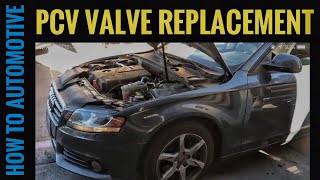
🎬 See this walkthrough for replacing a VW PCV valveWhat is the difference between a PCV valve and a crankcase breather?
They are parts of the same system. "PCV Valve" is a general term, while "crankcase breather" or "oil separator" is a more specific description of the component used on many VW engines from this era. It serves the same function of ventilating the crankcase.
Will a new vent valve fix my oil leaks?
If the oil leak is caused by high crankcase pressure from a clogged valve, then yes, a new valve can fix it. However, if a gasket has already been permanently damaged or blown out, that gasket will also need to be replaced.
Helpful Videos
Technical Specifications
OEM Part Numbers: 037129101R 037103211A
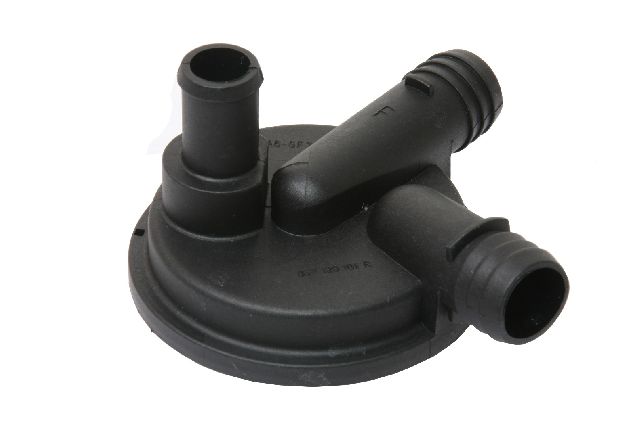
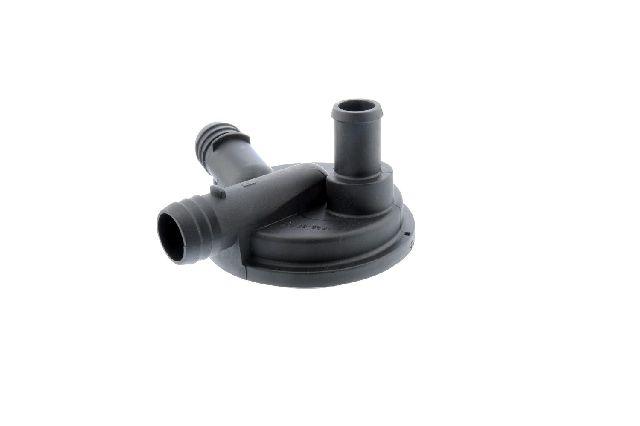
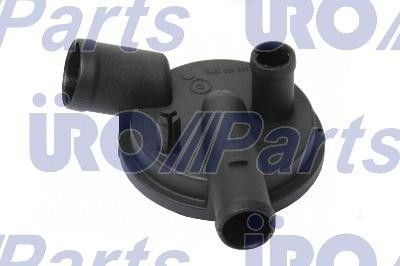
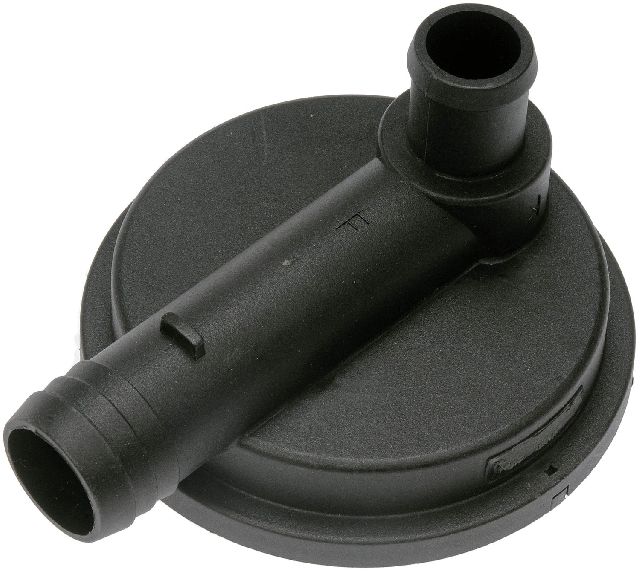
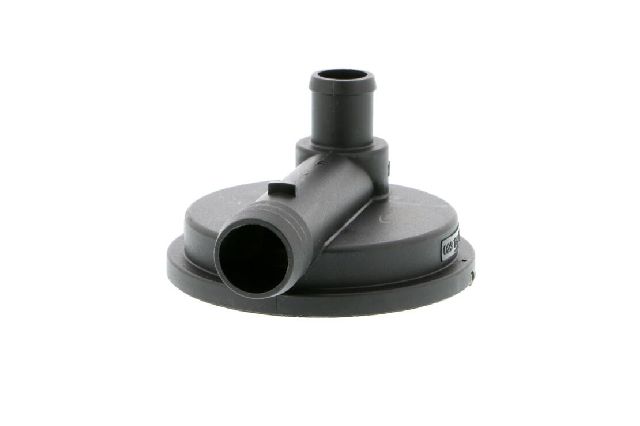
Typically a plastic, block-mounted breather assembly with multiple hose ports and internal baffles. Often includes new gaskets/seals.
We Have This Part in Stock

The information in this article is provided for general reference and educational purposes only. Vehicle specifications, procedures, and part compatibility can vary by production date, trim level, and region. Always consult your vehicle's factory service manual and verify part numbers before purchasing or performing repairs. Safety-critical components such as airbags, seat belts, and braking systems should be installed by a qualified professional.
- Volkswagen Golf: