

Chevrolet C1500 1988-1999 Oxygen Sensor: A Complete Guide
Keep your classic C1500 running strong by understanding its oxygen sensors.
- Confirm your truck's year and engine (TBI vs. Vortec) to determine if you have an OBD-I (1-2 sensors) or OBD-II (4 sensors) system.
- Choose a direct-fit sensor from a reputable brand like Denso, Bosch, or ACDelco for the best reliability and easiest installation.
- Soak the old sensor with penetrating oil before attempting removal, and use a special O2 sensor socket to avoid frustration and damage.
- Driving with a bad oxygen sensor can lead to expensive damage to your catalytic converter over time.
Understanding Your C1500's Oxygen Sensors
The oxygen sensor is a key player in making sure your 1988-1999 Chevrolet C1500 runs cleanly and efficiently. It acts like a sniffer in your exhaust pipe, telling the engine's computer how to mix the air and fuel. When it fails, you'll notice it in your truck's performance and your wallet. Over time, these sensors get worn out from heat and exhaust gases, typically needing replacement after 60,000 to 100,000 miles.
Generation and Engine Differences
It's important to know which system your truck uses, as this affects the number and type of oxygen sensors you need.
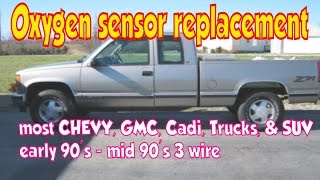
- 1988-1995 (OBD-I): Trucks from this era, typically with Throttle Body Injection (TBI), have a simpler system. Most of these models are equipped with just one or two oxygen sensors located before the catalytic converter. For example, a 1994 model might have a single 3-wire sensor.
- 1996-1999 (OBD-II): With the switch to OBD-II diagnostics and Vortec engines, the system became more complex. These trucks usually have four oxygen sensors: two "upstream" sensors (before the catalytic converters, one on each bank) and two 🎬 Watch: How to replace upstream and downstream sensors on 96-99 models. "downstream" sensors (after the converters). The upstream sensors are vital for fuel control, while the downstream sensors monitor the health of the catalytic converters.
Common Ordering Mistake
Always verify the number of sensors and their location (upstream/downstream, left/right bank) before ordering. The 1996 model year is a transition period, so confirming your truck's specific setup is crucial. Upstream and downstream sensors can be physically different and are not interchangeable.
Choosing the Right Aftermarket Oxygen Sensor
For a vehicle like the 1988-1999 C1500, aftermarket parts offer a great balance of quality and value. The original equipment (OE) manufacturer was often ACDelco, but many reputable aftermarket brands provide sensors that meet or exceed OE specifications.
Brand Quality Tiers
- Top Tier (OEM-Equivalent Quality): Brands like ACDelco, Denso, and NGK (NTK) are often the original suppliers to automakers and are trusted for their reliability and performance. Denso is known for its robust construction and First Time Fit® promise. Bosch invented the automotive oxygen sensor and is a leading name in the industry, known for quality and performance.
- Mid-Grade (Reliable & Recommended): Delphi and Walker Products are well-regarded in the aftermarket. Delphi sensors are known for fast activation times, which helps reduce cold-start emissions. Walker is often recommended by mechanics for its balance of affordability and OE-level performance.
- Economy (Budget-Friendly): Brands like DriveWire and Spectra offer a more budget-conscious option. While they can perform adequately, some professional mechanics and owners have noted potential longevity issues compared to premium brands. For a critical component like an O2 sensor, investing in a mid or top-tier brand is often recommended for long-term reliability.
Direct Fit vs. Universal Sensors
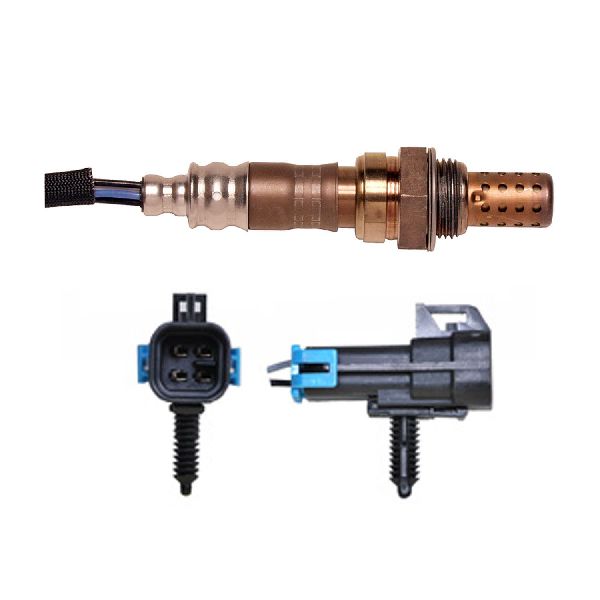
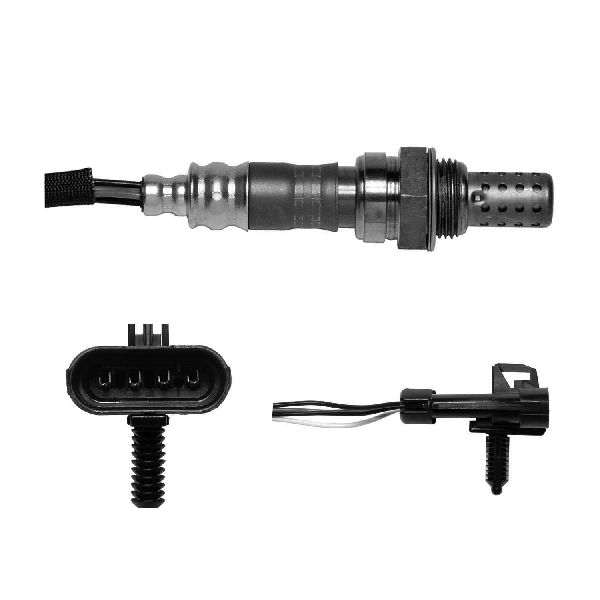
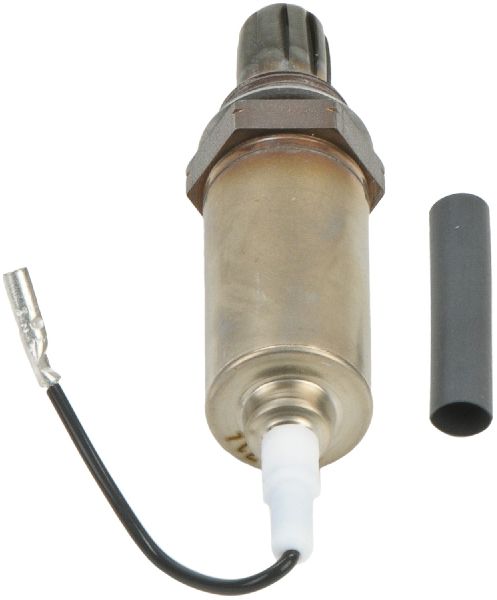
Always choose a "direct fit" sensor when possible. These come with the correct factory-style electrical connector for a simple plug-and-play installation. A "universal" sensor requires you to cut your old connector and splice it onto the new sensor's wires. This can lead to connection problems if not done perfectly, especially in the harsh environment under your truck.
Installation & Known Issues
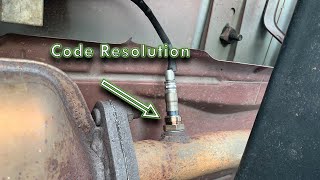
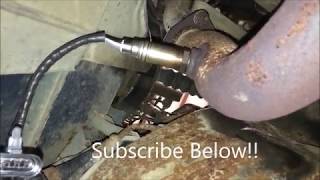
Replacing an oxygen sensor on a C1500 is a straightforward job for a DIY mechanic. 🎬 See this walkthrough for changing sensors on a C1500. However, the sensors can be extremely difficult to remove due to rust and constant heat cycles. Always soak the old sensor's threads with penetrating oil for at least a few hours, or even a day before, to make removal easier. A special oxygen sensor socket with a slot for the wire is essential for this job. New sensors often come with anti-seize compound on the threads; make sure it is applied to prevent future issues.
No specific recalls or Technical Service Bulletins (TSBs) for widespread oxygen sensor failure were found for the 1988-1999 C1500. However, TSBs from GM do exist for later models regarding issues like intake and exhaust leaks that can cause oxygen sensor codes to appear, highlighting the importance of proper diagnosis.
| Part/Service | Estimated Cost |
|---|---|
| New Aftermarket Oxygen Sensor | $28 - $112 per sensor |
| Shop Labor | $75 - $150 |
| Total Professional Replacement | $103 - $262 per sensor |
Frequently Asked Questions (FAQ)
How many oxygen sensors does my C1500 have?
It depends on the year. Pre-1996 models (OBD-I) typically have one or two sensors located before the catalytic converter. 1996 and newer models (OBD-II) usually have four sensors: two upstream (before the cats) and two downstream (after the cats).
Which sensor is Bank 1, Sensor 1?
Bank 1 is the side of the engine with cylinder #1, which is the driver's side on a Chevy V8. Sensor 1 refers to the upstream sensor (before the catalytic converter). So, Bank 1, Sensor 1 is the upstream sensor on the driver's side.
Can I clean my oxygen sensor?
While some DIY methods exist for cleaning a sensor, it is generally considered a temporary fix at best. Contaminants like oil, coolant, and carbon can permanently damage the sensor's internal components. Replacement is the only reliable, long-term solution for a failed sensor.
🎬 Watch: A DIY perspective on cleaning versus replacing your sensor.Do I need a special tool to replace an O2 sensor?
Yes, it is highly recommended. An oxygen sensor socket is designed with a cutout to accommodate the sensor's wire. Using one will prevent damage to the new sensor and make the job much easier. You will also need a standard ratchet and possibly a breaker bar for a stubborn sensor.
Helpful Videos
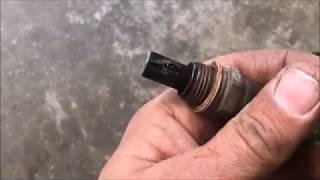
Technical Specifications
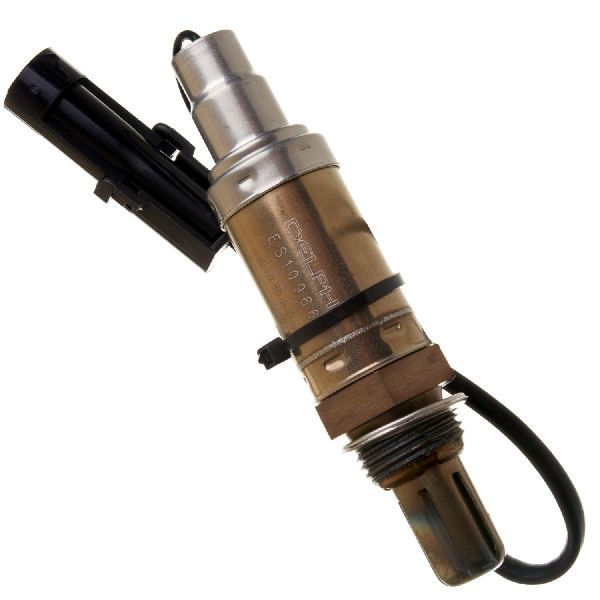
OEM Part Numbers: ES10007 AFS74 AFS76
Varies by year and engine. Pre-1996 models may use 1-wire or 3-wire heated sensors. 1996 and later models use 4-wire heated sensors. Thread size is typically M18-1.50.
We Have This Part in Stock


The information in this article is provided for general reference and educational purposes only. Vehicle specifications, procedures, and part compatibility can vary by production date, trim level, and region. Always consult your vehicle's factory service manual and verify part numbers before purchasing or performing repairs. Safety-critical components such as airbags, seat belts, and braking systems should be installed by a qualified professional.
- Chevrolet C1500:
- 🎬 Helpful Videos
- 🛍️ Shop This Part
- Understanding Your C1500's Oxygen Sensors
- Generation and Engine Differences
- Common Ordering Mistake
- Choosing the Right Aftermarket Oxygen Sensor
- Brand Quality Tiers
- Direct Fit vs. Universal Sensors
- Installation & Known Issues
- Frequently Asked Questions (FAQ)
- 🎟️ Get 5% Off