

1988-1999 GMC C1500 Horn Troubleshooting and Replacement Guide
Before you buy a new horn for your truck, learn what usually causes it to fail and how to properly diagnose the issue.
- Always diagnose the issue before buying parts; the problem is often in the steering column, not the horn itself.
- Follow the diagnostic order: check the fuse, then the relay, then test the horn directly with 12V power.
- These trucks use separate high-note and low-note horns; a weak sound usually means one has failed.
- Replacing the horn unit is very easy, but repairs inside the steering column require more tools and care, especially on models with airbags.
Is the Horn Really the Problem?
For the 1988-1999 GMC C1500, when the horn stops working, the horn assembly itself is often not the cause. More frequently, the problem lies within the steering column's electrical components. Before spending money on a new horn, it's important to perform a few simple diagnostic steps.
How to Diagnose a Faulty Horn System
- Check the Fuse: The first and easiest step is to check the horn fuse, which is typically located in the fuse box in the engine bay. If the fuse is blown, replace it with one of the same amperage and test the horn. If it blows again immediately, you have a short circuit that needs to be addressed.
- Check the Horn Relay: With the fuse confirmed as good, locate the horn relay in the same fuse box. Have a helper press the horn button while you listen and feel for a 'click' from the relay. If it clicks, the relay and the steering wheel switch are likely working. If it doesn't click, you can try swapping it with an identical relay from the fuse box (like one for the A/C) to see if that solves the problem.
- Test the Horns Directly: If the fuse and relay are good, test the horns themselves. Disconnect the electrical connector at the horn and use jumper wires to connect it directly to a 12V battery. If the horn sounds, the problem is in the wiring or the steering column. If it doesn't, the horn unit has failed.
- Suspect the Steering Column: If the steps above don't identify the issue, the problem is likely in the steering column. Common failures include corroded contacts under the horn pad or a broken plastic turn signal cancel cam that holds the horn contact wire. Repairing these issues requires removing the steering wheel and, on later models, carefully disabling and removing the airbag.
Airbag Warning (1995-1999 Models)
If your truck is a 1995 or newer model equipped with an airbag, you must disconnect the battery and remove the airbag fuse before working on the steering wheel. Airbags can be dangerous if handled improperly. If you are not comfortable with this procedure, it is best to have a professional mechanic perform the repair.
Choosing the Right Aftermarket Horn
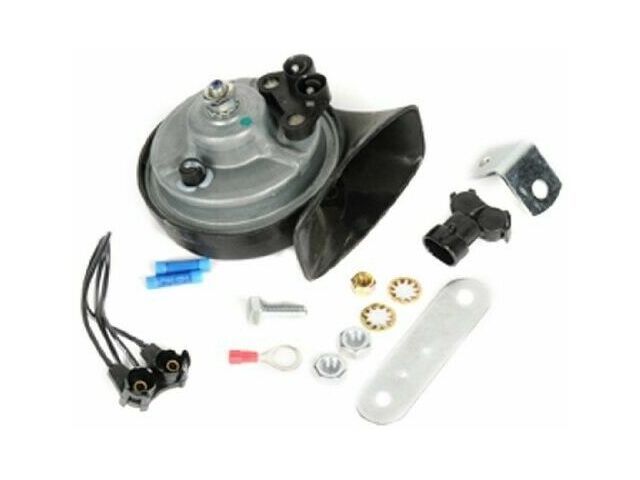
Since your truck uses two different horns, a weak or strange sound usually means one of the two has failed. When replacing, it's important to identify whether you need the high-note or low-note version. You can often find part numbers on the original horn. If replacing both, you will need to purchase one of each.
- ACDelco: As General Motors' own parts brand, ACDelco horns are considered the original equipment (OEM) equivalent. They are designed to provide the same sound and performance as the factory part.
- Standard Ignition (SMP): Standard is a well-respected aftermarket manufacturer known for producing quality electrical components. Their horns are a reliable alternative to OEM and are trusted by many professional technicians.
- Replacement: This category includes various value-focused brands. While they are the most affordable option, the sound may differ from the original, and their long-term durability might not match that of premium brands.
New Aftermarket Horn Cost for 1988-1999 GMC C1500
| Brand Tier | Estimated Price (Single Horn) |
|---|---|
| Premium (ACDelco, Standard Ignition) | $60 - $96 |
| Value (Replacement) | $35 - $59 |
Pro Tip: Before installing a new horn, test it by connecting it directly to your truck's battery with jumper wires. This quick test ensures the new part works before you go through the trouble of mounting it.
Frequently Asked Questions
Where are the horns located on my C1500?
The horns are usually mounted on the radiator support, located behind the truck's grille. On some models, accessing the second horn may require removing a headlight assembly.
What's the difference between a high-note and a low-note horn?
Your truck uses two horns with different pitches to create a louder, more attention-grabbing sound. The high-note horn has a higher frequency, while the low-note horn has a lower one. If you only replace one, make sure you buy the correct note to match the remaining working horn.
My horn works intermittently or only when I press hard. What's wrong?
This is a classic symptom of dirty or corroded contacts under the horn button in the steering wheel. The contacts are not making a clean connection. This can often be fixed by removing the horn pad/airbag assembly and cleaning the metal contacts with fine-grit sandpaper.
Why does my horn go off by itself or when I turn the wheel?
A horn that activates unexpectedly often points to a short circuit in the steering column. This can be caused by a broken horn contact wire or a faulty turn signal cancel cam, causing the horn circuit to ground itself. A stuck horn relay can also cause the horn to stay on continuously.
Technical Specifications
OEM Part Numbers: 84594590 (Low Note) 84594588 (High Note)
System Type: Dual Note (High and Low Tone)
We Have This Part in Stock


The information in this article is provided for general reference and educational purposes only. Vehicle specifications, procedures, and part compatibility can vary by production date, trim level, and region. Always consult your vehicle's factory service manual and verify part numbers before purchasing or performing repairs. Safety-critical components such as airbags, seat belts, and braking systems should be installed by a qualified professional.
- GMC C1500: