

GMC C1500 Power Steering Pump: A Guide for 1988-1999 Owners
Steering getting noisy or stiff? Here’s what to know before you replace the power steering pump on your GMT400 truck.
- A whining noise that changes when you steer is the most common sign of a failing pump.
- You must use a specific power steering pulley puller/installer tool for this job to avoid damage.
- Consider replacing the power steering hoses, especially the high-pressure line, at the same time as the pump.
- Be cautious with cheap, remanufactured pumps; owner reviews are overwhelmingly negative due to high failure rates.
Signs of a Failing Power Steering Pump
The power steering pump on the GMT400 platform is a common wear item. When it starts to fail, it usually gives clear warning signs. Ignoring them can lead to a complete loss of power assist, making the truck very difficult to steer at low speeds.
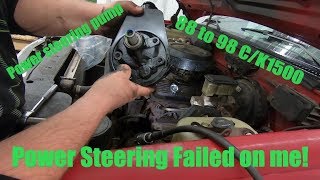
🎬 Watch: How to diagnose a failing power steering pump- Whining or Groaning Noises: A loud whining sound that gets louder when you turn the wheel is the most common symptom. This is often caused by air getting into the system through a leak or by a worn-out pump struggling to build pressure.
- Stiff Steering: If turning the wheel suddenly requires a lot of muscle, especially at idle or during parking, the pump is likely not providing enough hydraulic pressure.
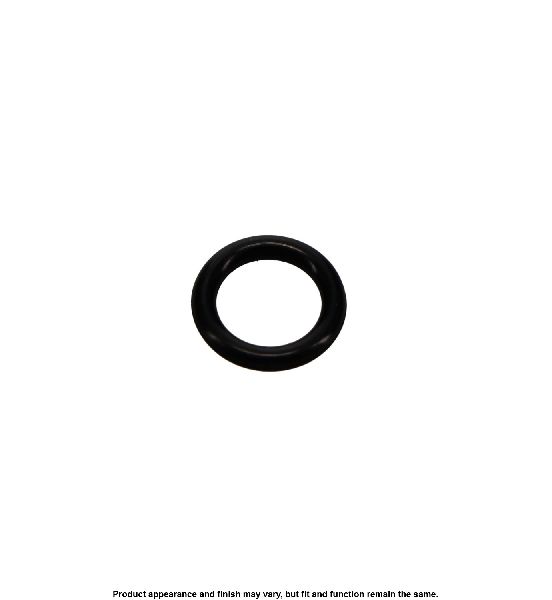
- Fluid Leaks: Puddles of reddish or dark fluid under the front of your truck are a sure sign of a leak. On these pumps, leaks commonly happen at the front shaft seal (behind the pulley), the large O-ring where the reservoir attaches to the pump body, or from the hose fittings.
- Visible Fluid Contamination: If you check your fluid and it looks dark and murky, or you see shiny metal flakes, it's a sign of severe internal wear.
Choosing the Right Aftermarket Pump
When shopping for a new power steering pump for your C1500, you'll find a wide range of quality and price. The choice you make often comes down to budget versus reliability. Owner experiences show that buying the cheapest option can lead to replacing the same part again in a year or two.
Brand Quality Tiers
Premium / Heavy-Duty (PSC Motor Sports, PWR):
Brands like PSC Motor Sports offer new, high-performance pumps. These are engineered for higher pressure and better flow, making them a great upgrade if you run larger tires, have a hydroboost brake system, or use your truck for heavy-duty applications. They are the most expensive option and may require matching hoses or fittings, but they offer maximum durability.
Remanufactured (Cardone, BBB Industries):
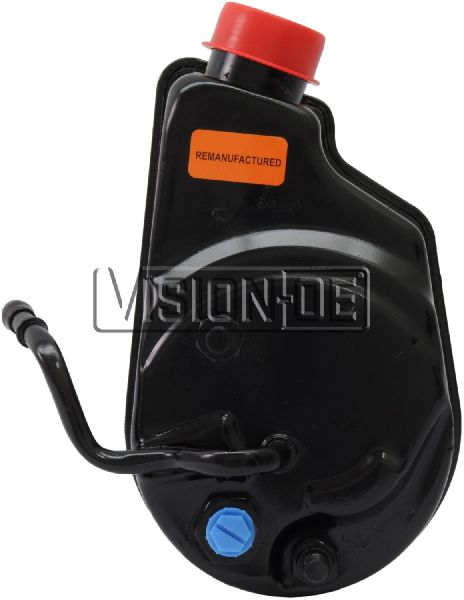
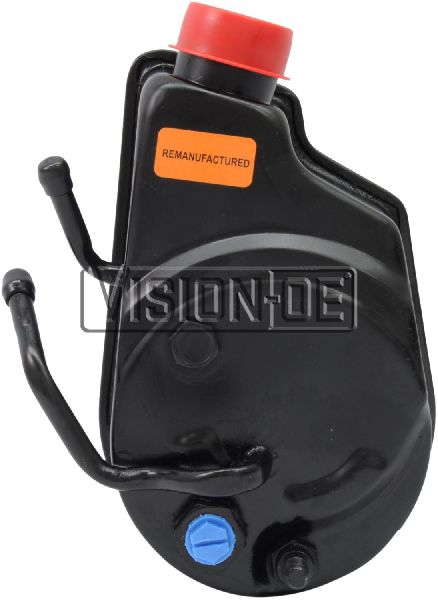
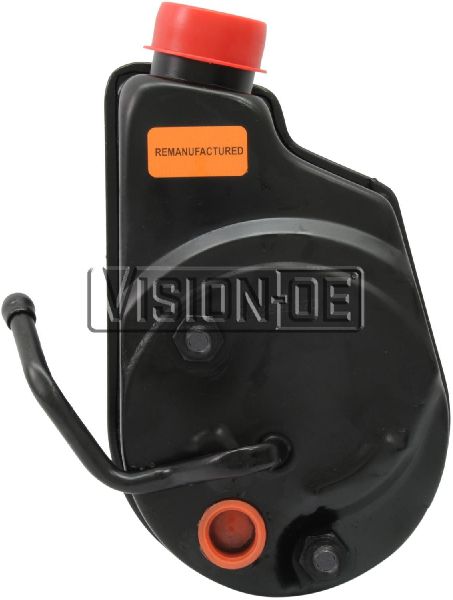
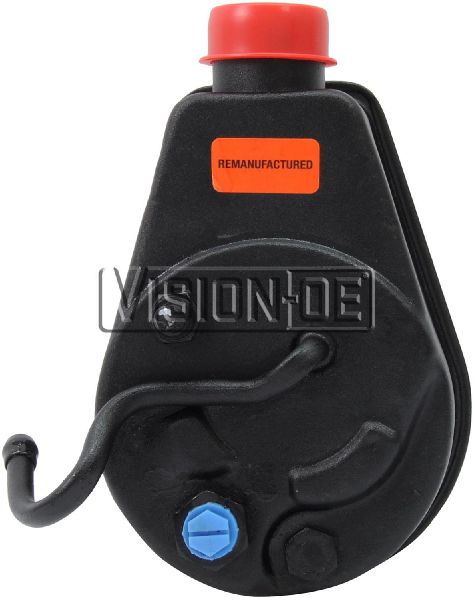
These are the most common and affordable options found in local auto parts stores. However, forum discussions are filled with negative reviews for remanufactured pumps, especially from Cardone. Owners frequently report that these units leak or become noisy within a short period, sometimes failing right out of the box. While the low price and lifetime warranty can be tempting, be prepared for the possibility of having to do the job more than once.
Standard New Aftermarket (Replacement):
This category includes various house brands that offer brand-new, not remanufactured, pumps. Quality can be better than remanufactured units as they don't rely on used core components. They offer a middle ground on price and are a reasonable choice for a daily-driven, stock truck if a new OEM part is out of budget.
OEM vs. Aftermarket
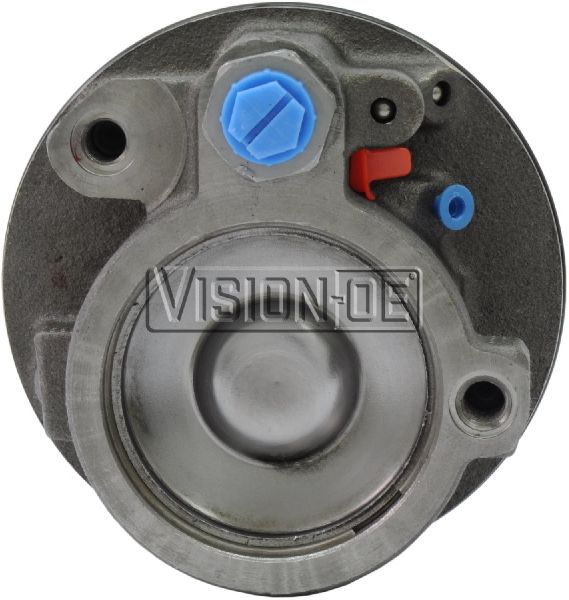
For the 1988-1999 C1500, the original Saginaw-style power steering pumps were quite durable. Many owners who have had bad experiences with multiple aftermarket failures recommend buying a new GM Genuine pump. While it costs more upfront, it is widely considered the most reliable, fit-and-finish correct option that will likely last the longest.
Typical Replacement Costs
The cost for a power steering pump can vary significantly based on the brand and whether it's new or remanufactured.
| Part Type | Estimated Price Range |
|---|---|
| New Aftermarket | $79.89 - $400.46 |
| Remanufactured Aftermarket | $50 - $120 |
| New OEM (GM Genuine) | $250 - $450+ |
| Shop Labor | $200 - $400 |
Known Issues & Recalls
There are no official NHTSA recalls for the hydraulic power steering pumps on the 1988-1999 GMC C1500. Searches for recalls show issues with newer GM trucks that use electric power steering, which does not apply to this generation. However, the high failure rate of remanufactured aftermarket pumps is a widely documented issue within the owner community. Many failures are linked to improper installation, such as using a hammer on the pulley or not flushing the system, which can damage even a good pump.
Frequently Asked Questions (FAQ)
Do I need a special tool to replace the pump?
Yes. You absolutely need a power steering pulley puller and installer tool. The pulley is press-fit onto the pump shaft. Attempting to remove it with a hammer or a standard gear puller will destroy the pulley and likely damage the new pump. Most auto parts stores offer this tool as a free rental.
🎬 See this step-by-step guide to removing and installing the pumpShould I replace the power steering hoses at the same time?
It is highly recommended. The rubber hoses degrade over time and the metal fittings, especially on the high-pressure line, can seize to the pump and steering box, forcing you to cut them off. Replacing the hoses ensures a leak-free system and prevents contamination from old, deteriorating rubber.
What kind of power steering fluid should I use?
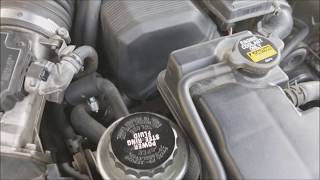
For a stock system, standard power steering fluid is sufficient. However, many owners recommend flushing the system and refilling with a high-quality synthetic power steering fluid. Synthetic fluid handles heat better, which can help extend the life of the seals in the pump and steering gear.
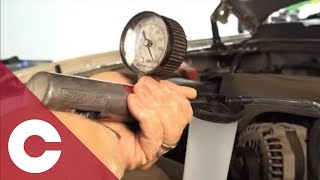
🎬 Watch: How to correctly fill and bleed the steering systemWhy do so many remanufactured pumps fail?
Remanufactured pumps are rebuilt from old units (cores). The quality depends entirely on the rebuilder's process. Common points of failure are low-quality replacement seals that can't withstand heat, improperly surfaced shafts, or leftover debris from the previous failure. Many forum users suggest that quality control for mass-market remanufactured parts is inconsistent.
Helpful Videos
Technical Specifications
The GMC C1500 used a Saginaw-style pump throughout this generation, but details matter. Ensure the replacement pump matches your truck's specific year, engine (V6 or V8), and belt type (V-belt for early years, serpentine belt for later years). The reservoir shape and hose fitting types (flared vs. O-ring) can also vary, particularly around the 1995-1996 model year transition.
We Have This Part in Stock

The information in this article is provided for general reference and educational purposes only. Vehicle specifications, procedures, and part compatibility can vary by production date, trim level, and region. Always consult your vehicle's factory service manual and verify part numbers before purchasing or performing repairs. Safety-critical components such as airbags, seat belts, and braking systems should be installed by a qualified professional.
- GMC C1500: