

Chevrolet C2500 (1988-2000) Front Disc Brake Caliper Guide
If your GMT400 workhorse is pulling to one side or has a spongy pedal, it might be time for new front brake calipers.
- You MUST confirm your truck's GVWR (7,200 lb or 8,600 lb) before ordering to get the correct caliper.
- A seized caliper is a major safety hazard; do not drive the vehicle until it is repaired.
- Common failure points are not just the caliper piston, but also sticking slide pins and rust buildup on the caliper bracket.
- Replacing flexible rubber brake hoses at the same time as calipers is highly recommended to improve pedal feel and prevent future issues.
Is Your C2500's Braking Performance Fading?
Owners of the 1988-2000 Chevrolet C2500 know it's a dependable truck, but its age means brake components are common wear items. If your truck pulls to one side, your brake pedal feels spongy, or you smell something burning after a drive, a failing front brake caliper could be the culprit. A seized or leaking caliper is not just a performance issue; it's a serious safety hazard that needs immediate attention.
Common Symptoms of a Bad Brake Caliper
- Pulling to One Side: When braking, the truck may pull towards the side with the seized caliper. If the caliper is stuck clamped, it can pull even when you're not on the brakes.
- Spongy or Mushy Brake Pedal: A classic complaint on GMT400 trucks. Air in the lines from a leaking caliper seal or a piston that isn't retracting correctly 🎬 See how to diagnose sticky or failing truck brakes. can cause a soft pedal feel.
- Hot Wheel & Burning Smell: A dragging caliper generates extreme heat from constant friction. This can cause a noticeable burning smell after driving and make the wheel hub dangerously hot to the touch.
- Uneven Brake Pad Wear: A seized piston will cause the inner brake pad to wear down much faster than the outer pad. Sticking slide pins can cause tapered wear.
- Brake Fluid Leaks: Puddles or wetness of clear or brownish fluid on the inside of your wheel or tire are a sure sign of a failed caliper piston seal.
A Critical Ordering Mistake: Know Your GVWR
The 1988-2000 C2500 was built in two main configurations: a "light-duty" version with a 7,200 lb. Gross Vehicle Weight Rating (GVWR) and a "heavy-duty" version with an 8,600 lb. GVWR. These trucks use different front brake calipers. The 8,600 lb. GVWR models have larger caliper pistons for more clamping force. Always check the sticker in your glove box or on the driver's side door jamb to confirm your truck's GVWR before ordering parts.
Choosing the Right Aftermarket Caliper
For a vehicle of this age, new OEM calipers from GM are often discontinued or prohibitively expensive. The aftermarket offers a wide range of new and remanufactured calipers that meet or exceed original quality. Most aftermarket calipers are remanufactured, which means an original caliper has been cleaned, inspected, and rebuilt with new seals, boots, and hardware. This requires a "core charge," which is a deposit you get back when you return your old caliper.
| Brand Tier | Brands | Best For |
|---|---|---|
| Premium / Performance | Powerstop, ACDelco (Professional/Gold), Raybestos (Element3) | Owners looking for an upgrade in performance, durability, or a high-quality coated finish to resist rust. Powerstop calipers are often remanufactured OEM units with a performance powder coat. |
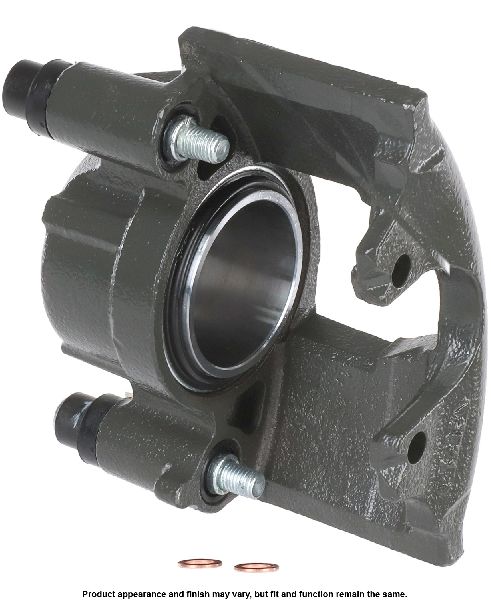
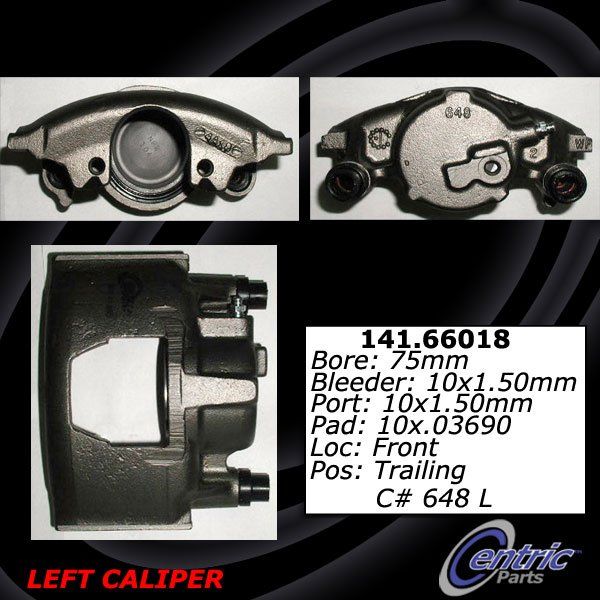
| Standard Replacement | Centric, Dynamic Friction, Cardone (New or Ultra-Premium Reman) | Daily driving and standard work use. These brands offer a good balance of quality and value. Centric and Dynamic Friction are considered reliable aftermarket choices. |
| Economy | Cardone (Standard Reman), BBB Industries | Budget-conscious repairs. Quality can be inconsistent with lower-end remanufactured parts, with some users reporting issues with reused components or poor finishes. |
Pro Tip: It's Not Always the Caliper Body
A very common issue on these GMT400 trucks is not the caliper piston itself, but the caliper bracket and slide pins. Rust can build up under the metal hardware clips where the brake pads rest, causing the pads to seize in the bracket. Likewise, the caliper slide pins can corrode and stick. When replacing your calipers, it is critical to thoroughly clean the bracket and lubricate the slide pins to ensure free movement.
🎬 Learn how to properly service sticking brake caliper slides.Frequently Asked Questions (FAQ)
Should I replace calipers in pairs?
Yes. It is always recommended to replace calipers on the same axle (both front calipers) at the same time. This ensures even braking force and prevents the truck from pulling to one side. Since you will be bleeding the brakes anyway, doing both at once is more efficient.
Why is my brake pedal still spongy after replacing everything?
This is a very common complaint on GMT400 trucks. If you've installed new calipers and properly bled the system, the issue could be old, swelling rubber brake hoses which expand under pressure. Replacing the flexible hoses is a smart upgrade. Air can also become trapped in the ABS module, which may require a special scan tool to bleed properly. Some owners even upgrade to a master cylinder from a newer (post-2000) GM truck to improve pedal feel.
Should I get calipers with phenolic or steel pistons?
Original equipment on many GM trucks used phenolic (a type of composite resin) pistons. They do not rust and transfer less heat to the brake fluid, which helps prevent brake fade. Steel pistons are stronger but can rust if the dust boot fails. For most applications on a C2500, either material is acceptable, but phenolic pistons are often preferred for their resistance to corrosion in wet or salty climates.
What is a "core charge"?
Since most aftermarket calipers are remanufactured, the manufacturer needs your old part back to rebuild it. The core charge is a temporary deposit you pay when you buy the part. You get this deposit back when you return your old, rebuildable caliper.
Helpful Videos
Technical Specifications
OEM Part Numbers: 18014747 18014748 172-1433 172-1434
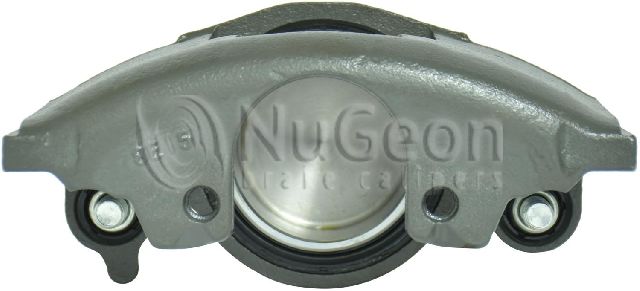
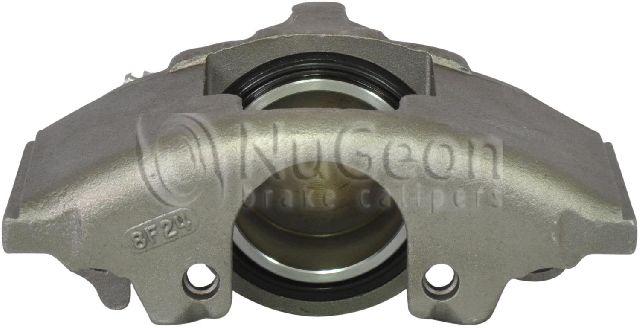
Varies by Gross Vehicle Weight Rating (GVWR). Heavy Duty (8,600 lb GVWR) models use calipers with larger pistons (approx. 3.15" or 80mm) than Light Duty (7,200 lb GVWR) models. Calipers are typically single-piston, cast iron floating-type.
We Have This Part in Stock

The information in this article is provided for general reference and educational purposes only. Vehicle specifications, procedures, and part compatibility can vary by production date, trim level, and region. Always consult your vehicle's factory service manual and verify part numbers before purchasing or performing repairs. Safety-critical components such as airbags, seat belts, and braking systems should be installed by a qualified professional.
- Chevrolet C2500: