

Chevrolet K2500 Power Steering Pump: A Guide for 1988-2000 Trucks
If your K2500's steering is whining or getting stiff, it might be time for a new power steering pump.
- Whining noises and stiff steering are the most common signs of a failing power steering pump on a K2500.
- For best results, choose a new aftermarket pump over a remanufactured one; the small extra cost is worth the added reliability.
- Properly flushing the old fluid and bleeding the air out of the new system are critical steps to prevent noise and premature failure of the new pump.
- Always replace the power steering hoses and use a pulley puller/installer tool during the replacement.
Is Your K2500 Power Steering Pump Failing?
On a workhorse truck like the 1988-2000 Chevrolet K2500, the power steering system works hard. Over time, the pump can wear out. Recognizing the signs early can save you from a sudden loss of steering assist, which can be dangerous. Here are the most common symptoms owners experience.
Key Failure Symptoms:
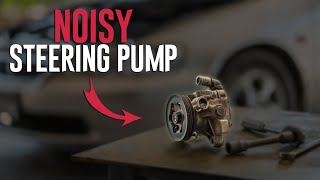
- Whining or Groaning Noises: This is the most common sign. You'll hear a whining noise that gets louder when you turn the steering wheel, especially when the truck is cold or at low speeds. This noise is often caused by low fluid, air in the system, or internal wear.
- Stiff Steering: If turning the wheel suddenly requires a lot of muscle, especially in a parking lot, the pump is likely failing and not providing enough hydraulic assist.
- Fluid Leaks: Finding reddish or brownish fluid puddles under the front of your truck is a clear sign of a leak. While hoses can leak, the pump itself is a frequent culprit.
- Squealing on Startup: A loud squeal when you first start the engine can point to a failing pump or a loose belt that drives it.
A Note on Noises
🎬 Watch this guide to distinguish between normal and failing pump sounds.Many GMT400 truck owners report that even new or remanufactured pumps can have a slight whine, which is sometimes considered normal for these vehicles. However, a loud, grinding, or sudden new noise is a definite cause for concern and should be inspected immediately.
Choosing the Right Aftermarket Pump
For a vehicle from this era, finding a brand-new OEM pump is difficult and often not cost-effective. The market is dominated by new aftermarket and remanufactured options. The quality can vary significantly, so it's important to choose wisely.
| Brand Tier | Description | Brands |
|---|---|---|
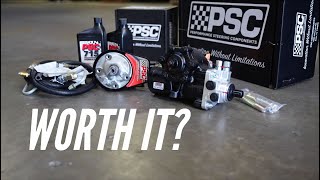
| Premium / Performance | These are high-performance, often brand-new units designed for heavy use, larger tires, or off-roading. They provide higher pressure and flow for better steering response. They are the most expensive but offer the best durability. | PSC Motor Sports, PWR |
| Quality New Aftermarket | These are brand-new pumps made to meet or exceed original specifications. They are a reliable choice for daily driving and work-truck use, often providing a longer life than remanufactured units without the high cost of performance brands. | BBB Industries, Mapco, Replacement |
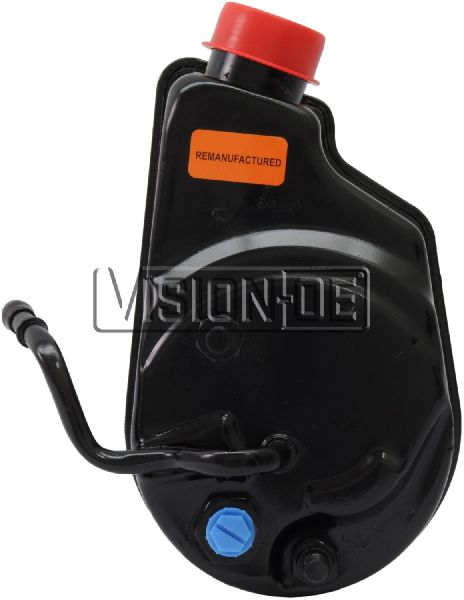
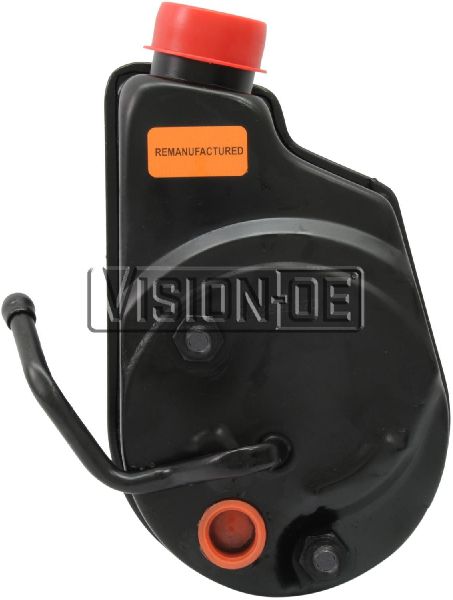
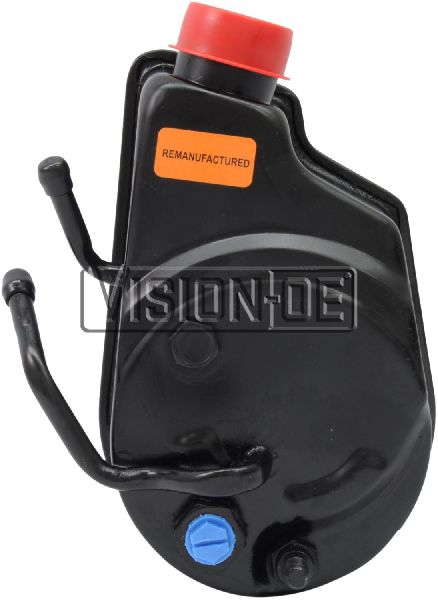
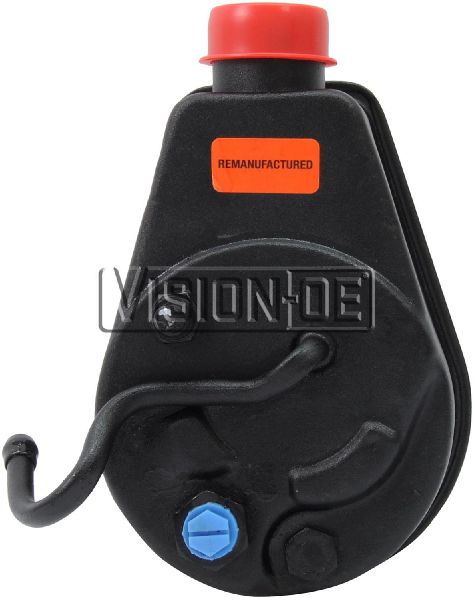
| Remanufactured | These are original pumps that have been rebuilt with new seals and wear parts. Quality can be inconsistent. While they are a budget-friendly option, some owners report going through multiple units before finding a good one. | Cardone, MasterPro |
Pro Tip: New vs. Remanufactured
For a critical part like the power steering pump, choosing a new aftermarket unit is often the best balance of cost and reliability. The price difference between a new and a remanufactured pump is often small, and a new pump typically comes with a better warranty and less risk of premature failure.
Installation and System Health
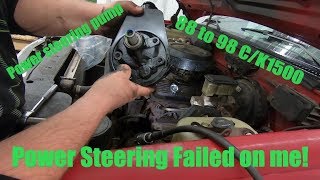
Replacing the power steering pump is a moderately difficult job that a skilled DIYer can handle. 🎬 See a step-by-step removal and installation for Chevy trucks. The most critical steps for a successful replacement are:
- Use a Pulley Tool: You will need a specific power steering pump pulley puller/installer tool. Do not try to hammer the pulley on or off, as this will damage the pump.
- Flush the System: Old, contaminated fluid can destroy a new pump. Always flush the entire system, including the lines and steering gear, before installing the new part. Consider adding an inline filter to the return line to catch any leftover debris.
- Bleed the System Properly: Air trapped in the system is the #1 cause of noise in a new pump. After installation, you must bleed the system by raising the front wheels and turning the steering wheel from lock to lock multiple times with the engine off, then repeating with the engine on, all while keeping the reservoir full. 🎬 Learn the best way to bleed air from your steering system.
Frequently Asked Questions (FAQ)
Why is my new power steering pump still whining?
The most common reason is air trapped in the system. You must perform a thorough bleeding procedure. Also, check for any loose hose connections on the suction side, which can allow air to be pulled in. If the noise persists, it could be a defective pump.
What type of power steering fluid should I use in my K2500?
For the 1988-2000 K2500, a conventional power steering fluid is standard. However, using a full synthetic power steering fluid can offer better performance, especially in extreme temperatures, and may help extend the life of the pump and seals. Always check the fluid manufacturer's specifications to ensure it's compatible.
Do I need to replace the power steering hoses at the same time?
It is highly recommended. After decades of service, the rubber hoses can become hard, brittle, and cracked internally. Replacing the high-pressure and return lines when you replace the pump is cheap insurance against leaks and contamination that could damage your new pump.
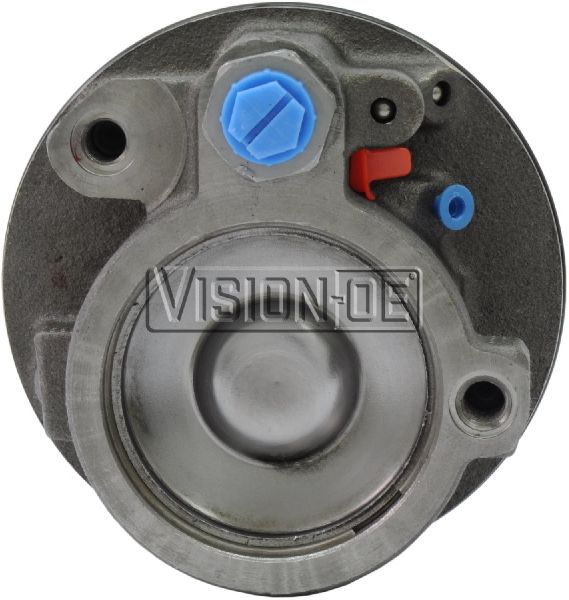
What is the electronic connector on the back of some pumps?
Some later model K2500s are equipped with Variable Assist Steering (RPO code NV7). This system uses a solenoid on the pump to adjust steering effort based on vehicle speed. If your truck has this, ensure your replacement pump is compatible or comes with instructions for bypassing the feature if necessary.
Helpful Videos

Technical Specifications
Requires conventional or synthetic power steering fluid. Pulley is typically not included and must be transferred from the old pump using a special tool. Some models may have a Variable Assist Steering connector.
We Have This Part in Stock

The information in this article is provided for general reference and educational purposes only. Vehicle specifications, procedures, and part compatibility can vary by production date, trim level, and region. Always consult your vehicle's factory service manual and verify part numbers before purchasing or performing repairs. Safety-critical components such as airbags, seat belts, and braking systems should be installed by a qualified professional.
- Chevrolet K2500: