

Ford E-350 Econoline Neutral Safety Switch Guide (1988-2000)
Having trouble starting your 1988-2000 Ford E-350 Econoline? The neutral safety switch could be the problem.
- A no-start issue where the dash lights work is a classic symptom of a bad neutral safety switch.
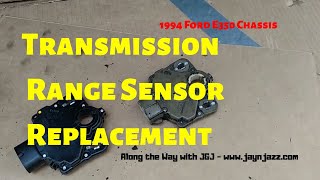
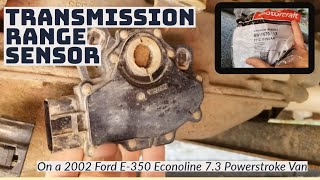
- On E-350s with electronic transmissions (E4OD), this part is also a Transmission Range Sensor and can cause shifting problems.
- You can often test a failing switch by trying to start the van in Neutral instead of Park.
- Proper alignment of the new switch during installation is critical for it to function correctly.
Is Your E-350 Refusing to Start? It Could Be the Neutral Safety Switch


If you turn the key in your Ford E-350 and get nothing, a bad neutral safety switch is a common suspect. This is especially true if you can get it to start by wiggling the shifter or by trying to start it in Neutral instead of Park. On these vans, particularly those with the electronic E4OD transmission, this part does more than just prevent starting in gear. It also acts as the Transmission Range Sensor (TRS), telling the computer what gear you're in. A failure can cause not just a no-start condition, but also erratic shifting and no reverse lights.
Symptoms of a Failing Neutral Safety Switch on a 1988-2000 E-350
- No-Crank, No-Start: The most common sign. You turn the key, the dashboard lights up, but the engine doesn't crank. 🎬 See how a new range sensor fixed this no-start condition.
- Starts in Neutral but Not Park (or vice-versa): If the van starts in one gear but not the other, the switch is likely failing or out of alignment.
- Starts in Any Gear: This is a serious safety hazard. If the switch has shorted out, the van might start in Drive or Reverse, causing it to move unexpectedly.
- No Reverse Lights: The switch is responsible for turning on your backup lights. If they're not working, the switch could be the cause.
- Erratic Shifting (E4OD models): On vans with the E4OD transmission, a bad Transmission Range Sensor can cause harsh shifts, delayed shifting, or the transmission going into a "limp mode".
- Check Engine Light: A failing switch can trigger diagnostic trouble codes and turn on the Check Engine Light.
A Note on Terminology
For these Ford vans, especially from the early 90s onward with electronic transmissions, the part is often called a Transmission Range Sensor (TRS) or Manual Lever Position Sensor (MLPS). While it performs the function of a neutral safety switch, it has additional roles. When searching for parts or information, using these terms can provide more accurate results.
Choosing the Right Aftermarket Switch
For a vehicle of this age, new OEM (Original Equipment Manufacturer) parts from Ford can be difficult to find or expensive. Aftermarket parts are a perfectly good option and are widely available. The key is choosing a reputable brand.
- Standard Motor Products (SMP): A well-known and generally trusted brand in the aftermarket. Reviews for their switches on other Ford models are positive, often citing good fitment and quality comparable to OEM.
- Rostra Powertrain: Rostra is a known producer of automotive electronics and transmission components. Their parts are marketed as direct-fit OE replacements engineered with high-grade materials.
- Replacement / Store Brands: These are often the most budget-friendly option. While they can be a good value, quality can be inconsistent. For a critical part like a neutral safety switch, sticking with a named brand like Standard or Rostra is often a safer bet for long-term reliability.
Given the age of the 1988-2000 E-350, a quality aftermarket part from a brand like Standard Ignition or Rostra Powertrain should provide reliable performance without the high cost or scarcity of an OEM part.
Pro Tip: Check for Corrosion
The switch is mounted on the driver's side of the transmission, where it's exposed to road grime and moisture. When replacing the switch, it's common to find corroded electrical connectors and a rusted transmission selector shaft. Always clean the connector pins and the shaft with a wire brush before installing the new part. Applying dielectric grease to the connector can help prevent future corrosion.
Cost of Replacing the Neutral Safety Switch
| Part Type | Estimated Cost |
|---|---|
| New Aftermarket (Replacement, Rostra, Standard) | $39 - $110 |
| Shop Labor | $90 - $180 |
| Total Estimated Cost (DIY) | $39 - $110 |
| Total Estimated Cost (Installed) | $129 - $290 |
Cost estimates are approximate and can vary based on your location, the specific part chosen, and the repair shop's labor rates.
Frequently Asked Questions
Where is the neutral safety switch located on my 1988-2000 E-350?
The neutral safety switch (or Transmission Range Sensor) is located on the driver's side of the transmission. 🎬 Watch this step-by-step guide to replacing the sensor on an RV. It is mounted where the shift linkage connects to the transmission housing.
Can I replace the neutral safety switch myself?
Yes, this is a DIY-feasible job for someone with basic mechanical skills. It typically involves raising the vehicle for access, disconnecting the electrical connector and shift linkage, unbolting the old switch, and installing the new one. The most critical step is properly aligning the new switch. An alignment pin or specific marks on the switch must be lined up with the transmission in Neutral. Failure to align it correctly will result in a no-start condition or incorrect gear readings.
Are there any recalls for the neutral safety switch on these vans?
Searches of the NHTSA database did not reveal any specific recalls for the neutral safety switch on the 1988-2000 Ford E-350 Econoline. Recalls for these vans are generally for much newer models or different components.
What is a TSB and are there any for this part?
A Technical Service Bulletin (TSB) is a document from the manufacturer that provides information to technicians about common problems and recommended repairs. While forum discussions mention TSBs related to the E4OD transmission, no specific TSBs directly targeting the neutral safety switch on this model year range were found during the search. However, many shifting problems attributed to the transmission itself can sometimes be traced back to a faulty Transmission Range Sensor.
Do I need a special tool to replace this switch?
Typically, you will only need basic hand tools like sockets and wrenches. The most important "tool" is a small drill bit or alignment pin (often a 3/32" or .091" bit is cited) to ensure the new switch is perfectly aligned in the Neutral position before you tighten the bolts. Some replacement procedures may also require a tool to safely disconnect the shift linkage clip.
Helpful Videos
Technical Specifications
OEM Part Numbers: F7LZ-7F293-AB
The part is also known as a Transmission Range Sensor (TRS) or Manual Lever Position Sensor (MLPS), especially on models with the E4OD transmission. It is located on the driver's side of the transmission case. Proper alignment during installation is required.
We Have This Part in Stock


The information in this article is provided for general reference and educational purposes only. Vehicle specifications, procedures, and part compatibility can vary by production date, trim level, and region. Always consult your vehicle's factory service manual and verify part numbers before purchasing or performing repairs. Safety-critical components such as airbags, seat belts, and braking systems should be installed by a qualified professional.
- Ford E-350 Econoline:
- 🎬 Helpful Videos
- 🛍️ Shop This Part
- Is Your E-350 Refusing to Start? It Could Be the Neutral Safety Switch
- Symptoms of a Failing Neutral Safety Switch on a 1988-2000 E-350
- A Note on Terminology
- Choosing the Right Aftermarket Switch
- Pro Tip: Check for Corrosion
- Cost of Replacing the Neutral Safety Switch
- Frequently Asked Questions
- 🎟️ Get 5% Off