

GMC C3500 (1988-2000) Radiator Coolant Hose: A Complete Guide
Keep your classic workhorse cool and prevent engine damage by choosing the right radiator hose.
- A leaking, bulging, or spongy radiator hose requires immediate replacement to prevent engine failure.
- For this truck, quality aftermarket brands like Gates, Dayco, and Continental are excellent, cost-effective alternatives to OEM.
- Always replace both upper and lower hoses at the same time, as they wear out at a similar rate.
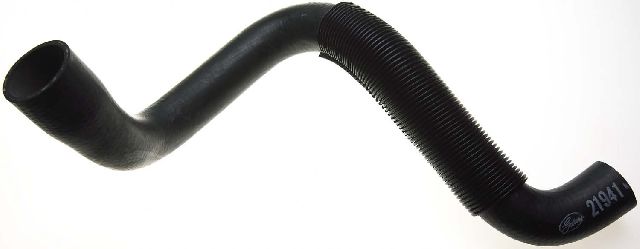
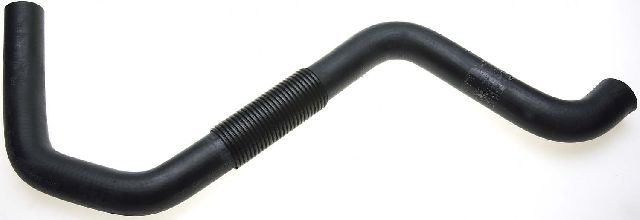
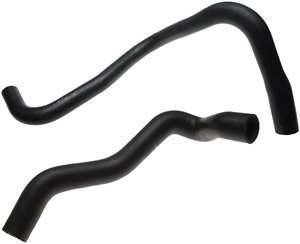
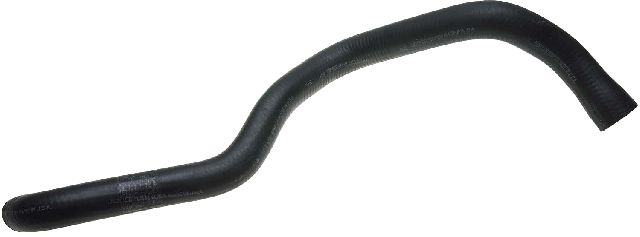
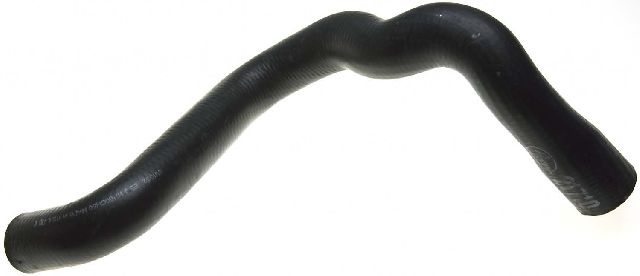
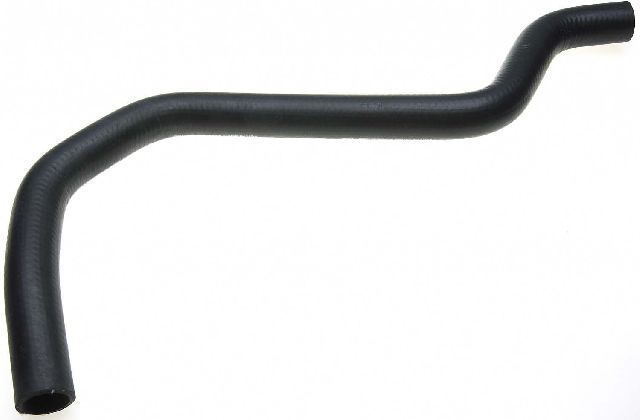
- Ensure you purchase the correct molded hose for your specific engine (5.7L, 7.4L, 6.5L Diesel) as they are not interchangeable.
Symptoms of a Failing Radiator Hose
A failed radiator hose can quickly lead to major engine problems. On a GMC C3500, these hoses are exposed to heat, pressure, and vibration, and they will wear out over time. Watch for these clear warning signs that a hose needs to be replaced immediately:
- Coolant Leaks: This is the most obvious symptom. You may find puddles of green, orange, or yellow fluid under the front of your truck. These leaks often occur at the connection points or from cracks in the hose itself.
- Visible Damage: Pop the hood and inspect the hoses. Look for cracks, splits, fraying, or bulging areas. A swollen or bulging hose is a sign of internal weakness and is at high risk of bursting.
- Spongy or Hard Hoses: When the engine is cool, squeeze the hoses. A good hose should be firm but flexible. If a hose feels mushy, spongy, or rock-hard and brittle, its internal structure has broken down and it needs replacement.
- Engine Overheating: If your C3500's temperature gauge starts climbing into the red, a leaking or collapsed radiator hose could be the cause. A collapsed lower hose can restrict coolant flow back to the engine, leading to rapid overheating.
- Steam or a Sweet Smell: Seeing steam coming from under the hood or smelling a sweet, syrupy odor is a sign that hot coolant is leaking and burning off on hot engine parts.
Choosing the Right Aftermarket Radiator Hose
For a vehicle like the 1988-2000 GMC C3500, high-quality aftermarket radiator hoses offer excellent performance and value. The original OEM hoses are likely discontinued or very expensive, and the technology for rubber hoses is well-established. Reputable aftermarket brands often meet or exceed original specifications.
Aftermarket Brand Tiers
| Brand | General Reputation & Notes |
|---|---|
| Gates | Often considered a top-tier aftermarket brand. Many professional mechanics and forum users recommend Gates for its consistent quality and excellent fitment, sometimes noting it is the original manufacturer for GM's AC Delco parts. |
| Dayco | A well-regarded and widely available brand. Dayco hoses are known to be durable, and some users note they feel slightly thicker than other brands. While generally a solid choice, a few users have reported occasional fitment issues where the hose's bends aren't an exact match to the original. |
| Continental | Another major, reputable manufacturer in the automotive hose and belt industry. Continental is considered a reliable choice alongside Gates and Dayco, providing quality parts for daily use. |
Pro Tip: The most important factor beyond brand is ensuring you buy the correct hose for your specific engine. The C3500 was available with several engines over its long production run (e.g., 5.7L V8, 7.4L V8, 6.5L Diesel), and each requires specifically molded hoses. Always verify the part number fits your truck's year and engine.
Known Issues, Recalls, and Service Bulletins
Searches for official recalls or Technical Service Bulletins (TSBs) specifically for radiator hose failures on the 1988-2000 GMC C3500 did not yield any results. Parts like radiator hoses are considered wear-and-tear items, and failures are typically due to age and use rather than a specific manufacturing defect on vehicles of this vintage. While some cooling system TSBs exist for other GM trucks, they relate to different model years or components like the heater core or oil coolers.
Estimated Replacement Costs
The cost to replace a radiator hose on a C3500 is reasonable, especially if you do the work yourself. The parts are affordable and the job requires only basic tools.
| Item | Estimated Cost |
|---|---|
| New Aftermarket Hose (Single) | $23.68 - $78.49 |
| Shop Labor | $100 - $250 |
| DIY Total (Part + Coolant) | $50 - $110 |
| Shop Total (Parts + Labor) | $125 - $330 |
Frequently Asked Questions (FAQ)
Should I replace both hoses at the same time?
Yes, it is highly recommended. Radiator hoses are made of the same material and have been exposed to the same conditions. If one has failed due to age, the other is likely not far behind. Replacing them both at once is efficient and prevents a second breakdown shortly after the first.
What is the spring inside the lower radiator hose for?
The spring inside the lower hose is an anti-collapse spring. The water pump creates suction that can cause the lower hose to collapse on itself, cutting off coolant flow. The spring maintains the hose's shape under this pressure. If your new hose does not come with a spring, you should transfer the one from your old hose if it's in good condition.
Can I replace a radiator hose myself?
Yes, this is a very DIY-friendly job for someone with basic mechanical skills. The process involves draining the radiator, using pliers or a screwdriver to remove the hose clamps, swapping the hose, and refilling the system with coolant. The biggest challenges are often removing a hose that is stuck on its fitting and ensuring all air is bled from the system afterward.
What kind of coolant should I use in my 1988-2000 C3500?
These trucks originally used traditional green Inorganic Acid Technology (IAT) coolant. When you refill the system, it's crucial to use the correct type of coolant or a compatible universal formula. Mixing incompatible coolant types can cause gelling and clog your cooling system. Always consult your owner's manual or a reliable parts source to confirm the correct fluid.
Technical Specifications
Radiator hoses for the 1988-2000 GMC C3500 are vehicle- and engine-specific. They are molded rubber, reinforced with materials like cotton or Kevlar to maintain shape under pressure and suction. The lower hose often contains an internal anti-collapse spring. It is essential to match the part to the truck's specific engine configuration.
We Have This Part in Stock

The information in this article is provided for general reference and educational purposes only. Vehicle specifications, procedures, and part compatibility can vary by production date, trim level, and region. Always consult your vehicle's factory service manual and verify part numbers before purchasing or performing repairs. Safety-critical components such as airbags, seat belts, and braking systems should be installed by a qualified professional.
- GMC C3500: