

GMC C3500 Stabilizer Bar Bushing Guide (1988-2000)
Get rid of front-end clunks and tighten up the steering on your GMT400 workhorse.
- Clunking over bumps is the #1 sign of bad stabilizer bar bushings.
- You MUST measure your sway bar's diameter before ordering to ensure a correct fit.
- Polyurethane bushings (Energy Suspension, Moog) are a durable upgrade for a work truck, but may create a firmer ride than rubber.
- This is a simple, inexpensive DIY repair that can significantly improve your truck's handling and quiet down the front end.
Is Your C3500 Making Noise Over Bumps?
If you hear a clunking or knocking sound from the front end when you drive over bumps, potholes, or uneven roads, your stabilizer bar bushings are the likely culprit. These sounds happen because the old, worn-out bushings allow the heavy metal sway bar to move and hit against the frame. Other signs of bad bushings include a 'floaty' or disconnected feeling in the steering, excessive body lean in corners, and a general feeling of instability. You might also see that the rubber is visibly cracked, hardened, or even missing chunks.
Don't Ignore the Noise
While you can technically still drive with bad sway bar bushings, it's not recommended. Ignoring the problem can lead to unpredictable handling, especially in emergency maneuvers or when hauling a heavy load. It also puts extra stress on other suspension parts like the sway bar end links.
Choosing the Right Aftermarket Bushings
For your 1988-2000 GMC C3500, you have a few good aftermarket options. The main choice you'll make is between standard rubber bushings and upgraded polyurethane bushings.
Material: Rubber vs. Polyurethane
- Rubber Bushings: These are like the original factory parts. They provide a quieter, smoother ride by absorbing more vibration. Brands like Dorman and QuickSteer often use rubber. They are affordable and work well for daily driving, but they can wear out faster, especially when exposed to oil, heat, and heavy use.
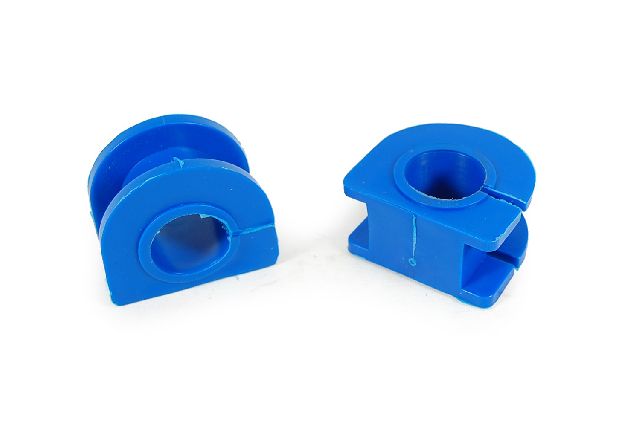
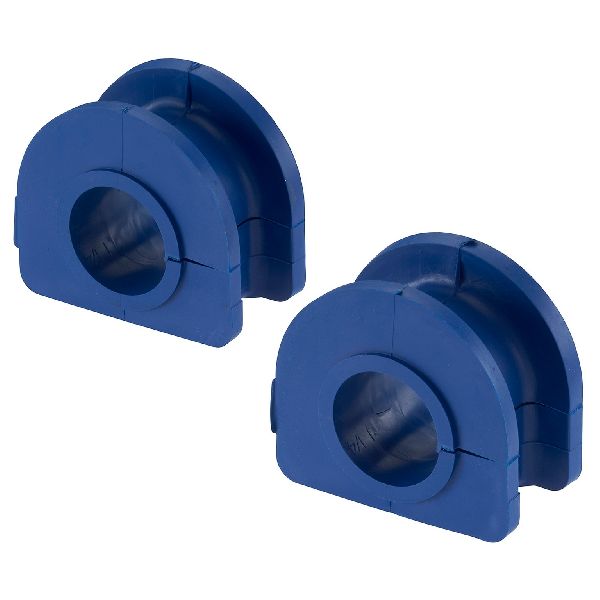
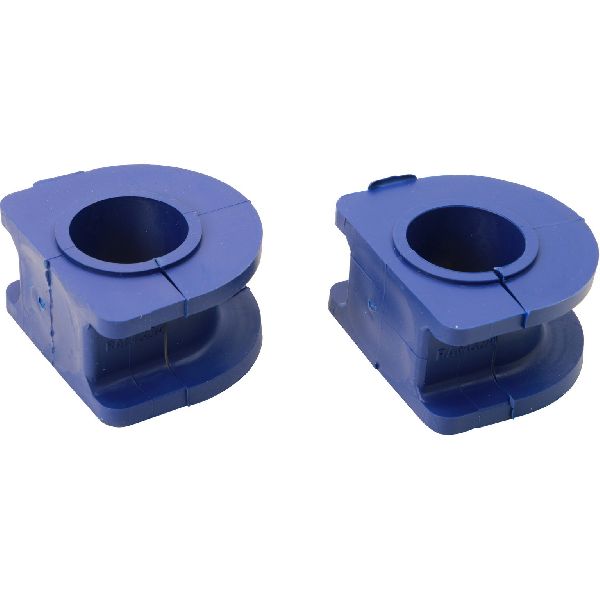
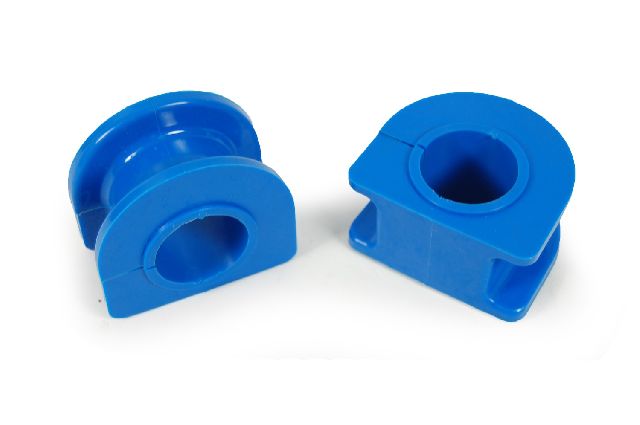
- Polyurethane Bushings: These are a popular upgrade for trucks. Brands like Energy Suspension and Moog (in their Problem Solver line) offer polyurethane options. Polyurethane is much more durable, resistant to oil and chemicals, and provides a firmer, more responsive handling feel because it doesn't flex as much as rubber. The trade-off can be a slightly harsher ride and more road noise. Some polyurethane kits require occasional greasing to prevent squeaking.
Pro Tip: Measure Your Sway Bar!
GMC used different diameter sway bars on these trucks over the years. Before ordering, you must measure the diameter of your truck's sway bar to ensure you get the correct size bushings. A cheap pair of plastic calipers is the best tool for this job.
Brand Tiers at a Glance
| Brand Tier | Brands | Typical Material | Best For |
|---|---|---|---|
| Premium / Heavy-Duty | Moog, Energy Suspension, Delphi | Polyurethane or High-Quality Rubber/Thermoplastic | Owners who want maximum durability, improved handling, or do a lot of hauling. Moog is a well-regarded premium brand. |
| Standard Replacement | Dorman, Mevotech | Rubber or Standard Polyurethane | Everyday use and budget-conscious repairs. These brands offer a balance of affordability and decent quality. |
| Economy | QuickSteer | Rubber | The most affordable option for getting the job done. |
Frequently Asked Questions (FAQ)
Do I need to replace the whole kit or just the bushings?
Most kits for the C3500 include the two frame bushings and sometimes the end link bushings. It's a good idea to replace the sway bar end links at the same time you do the frame bushings, as they are often worn out too and can cause similar clunking noises. Many kits are sold with all the necessary components.
Is replacing the stabilizer bar bushings a DIY job?
Yes, this is a very DIY-friendly job for someone with basic hand tools. It typically involves removing two bolts on each bushing bracket, swapping the old bushing for the new one, and bolting the bracket back on. Soaking the bolts with penetrating oil a day before can make the job much easier.
What's the difference between rubber and polyurethane?
Rubber is softer, quieter, and offers a ride similar to the original factory feel. Polyurethane is a harder plastic that lasts much longer and provides tighter, more responsive handling, but may transmit more road vibration. For a heavy-duty truck, many owners prefer polyurethane for its durability.
Do I need to grease the new bushings?
It depends on the material. Most polyurethane bushings require a special grease (often included) on all surfaces that touch metal to prevent squeaking. Rubber bushings generally do not require grease.
Are there any recalls or TSBs for this part?
A search of the NHTSA database did not show any specific recalls for the stabilizer bar bushings on the 1988-2000 GMC C3500. However, a technical service bulletin (TSB) exists for some GM trucks where the frame bracket holding the bushing can crack due to insufficient welds or corrosion. When replacing your bushings, it's a good idea to inspect these brackets for any cracks or damage.
Technical Specifications
The most critical specification is the sway bar diameter. Common sizes for GMT400 trucks can vary, so physical measurement is required. Bushings are typically made of rubber, thermoplastic, or polyurethane. Some kits are greasable.
We Have This Part in Stock
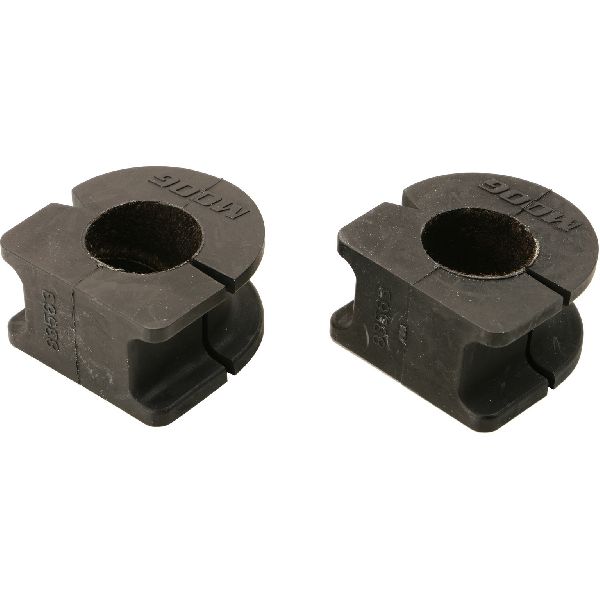
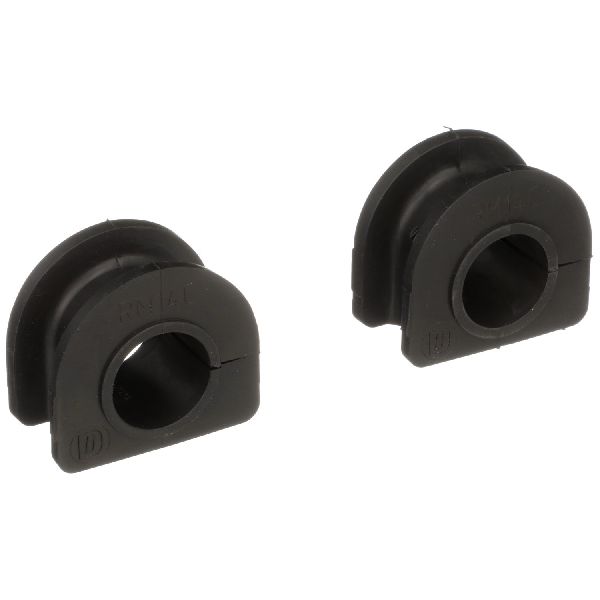

The information in this article is provided for general reference and educational purposes only. Vehicle specifications, procedures, and part compatibility can vary by production date, trim level, and region. Always consult your vehicle's factory service manual and verify part numbers before purchasing or performing repairs. Safety-critical components such as airbags, seat belts, and braking systems should be installed by a qualified professional.
- GMC C3500: