

Accessory Drive Belt Guide for the 1988-2000 GMC K3500
Keep your heavy-duty truck running strong by understanding when and how to replace your accessory drive belt.
- A squealing noise is the first warning sign; inspect the belt immediately for cracks or fraying.
- Replacing the belt is a simple DIY job, but you must have the correct belt routing diagram for your specific engine.
- While replacing the belt, always inspect the tensioner and pulleys for wear and check for fluid leaks that could damage the new belt.
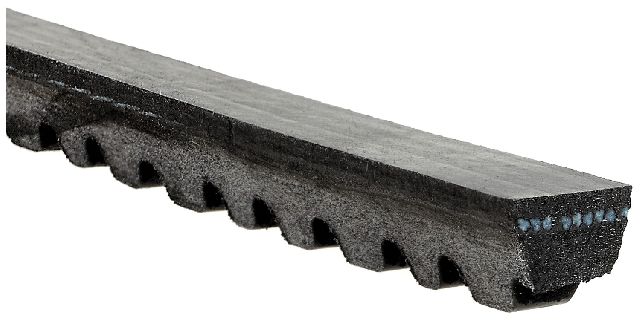
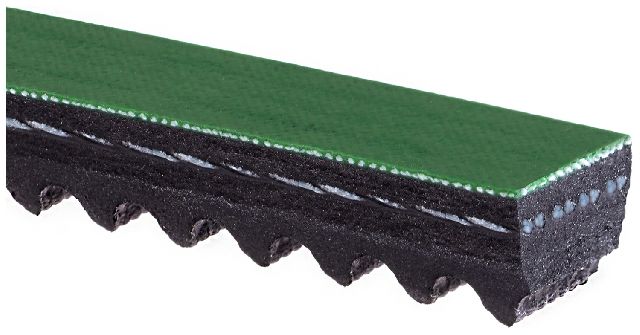
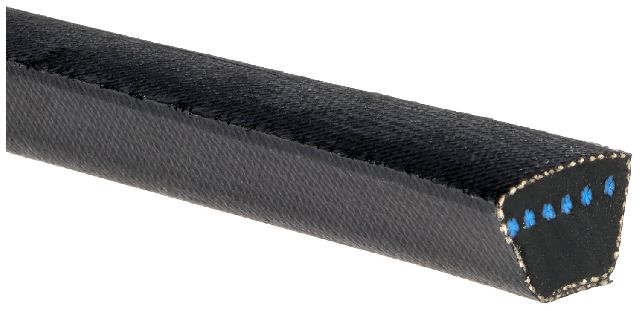
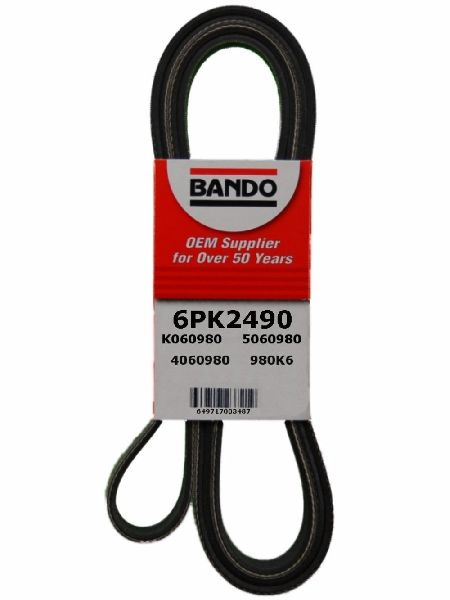
- Aftermarket brands like Bando are highly regarded for their OEM-like fit and quality.
Symptoms of a Failing Accessory Drive Belt
A worn or failing accessory drive belt will give you clear warning signs. Ignoring them can lead to a breakdown and potentially expensive damage to other engine parts. Look and listen for these common symptoms:
- Squealing or Chirping Noises: A high-pitched squeal, especially when you start the engine or accelerate, is the most common sign of a bad belt. This noise means the belt is slipping on the pulleys because it's worn, stretched, or not under proper tension.
- Visible Wear and Damage: Look at the belt itself. If you see cracks, frayed edges, missing ribs, or a shiny, glazed surface, the belt is old and needs to be replaced.
- Accessory Problems: Since the belt powers many systems, you may notice them failing. This includes flickering or dimming headlights and a battery warning light (from the alternator), difficult or stiff steering (from the power steering pump), or an A/C system that no longer blows cold air.
- Engine Overheating: If the belt drives your water pump, a failure will cause the engine to overheat quickly. If you see your temperature gauge spike, pull over immediately to prevent serious engine damage.
Choosing the Right Aftermarket Belt
For the 1988-2000 GMC K3500, you don't need to buy an expensive OEM belt from a dealer. High-quality aftermarket brands offer excellent performance and durability. The two main brands you'll likely encounter are Bando and Gates.
Bando: Many professional mechanics and experienced owners lean towards Bando belts. They are often the original equipment manufacturer (OEM) for many car brands, including Honda and Toyota. Forum discussions suggest Bando belts are known for their precise fit, quiet operation, and long life. If you want a belt that is very close to the original factory part in terms of quality and dimensions, Bando is a strong choice.
Gates: Gates is another very popular and widely available brand. While some users have had good experiences, others in online forums have noted that the quality can sometimes be inconsistent. Issues mentioned include belts being slightly longer than the original, which can affect the tensioner's performance, or premature wear. However, Gates remains a major player and a viable option, but it's worth comparing it to Bando if available.
Pro Tip: Check the Tensioner and Pulleys
When you replace your belt, always inspect the belt tensioner and idler pulleys. A weak tensioner or a worn pulley bearing can cause a new belt to fail quickly or make noise. Spin the pulleys by hand (with the engine off). If they feel rough or make noise, they should be replaced along with the belt.
Vehicle-Specific Issues and Common Mistakes
The GMC K3500 from this era is a robust truck, but there are a few things to watch for:
- Fluid Leaks: The GMT400 platform trucks can develop oil or coolant leaks from the intake manifold gaskets. If these fluids drip onto the accessory drive belt, they will soften and swell the rubber, causing it to slip and fail prematurely. If you have a leak, fix it before installing a new belt.
- A/C Compressor Slugging (1999-2000): A GM Technical Service Bulletin (TSB) for 1999 and newer trucks notes that liquid refrigerant can pool in the A/C compressor. When the A/C is turned on, this can cause a sudden, violent strain on the belt and tensioner, potentially causing them to break.
- Ordering the Wrong Belt: The 1988-2000 K3500 came with several engines (5.7L V8, 7.4L V8, 6.2L Diesel, 6.5L Diesel) and different options like A/C or high-output alternators. These configurations use different length belts. Always verify the correct part number for your specific engine and options before ordering. Taking a picture of the belt routing diagram under the hood is a great practice.
Estimated Replacement Costs
| Part Type | Estimated Cost |
|---|---|
| New Aftermarket Accessory Drive Belt | $22 - $51 |
| Shop Labor | $75 - $120 |
| Total Estimated Cost (DIY) | $22 - $51 |
| Total Estimated Cost (At a Shop) | $97 - $171 |
Cost estimates are based on national averages and may vary by location and specific vehicle configuration.
Frequently Asked Questions (FAQ)
How often should I replace the accessory drive belt?
Most modern belts last between 60,000 and 100,000 miles. However, for a hard-working truck like the K3500, it's best to inspect the belt at every oil change for signs of wear and replace it as soon as you see cracks, fraying, or glazing.
Why is my new belt squeaking?
If a new belt is squeaking, the problem is often not the belt itself. The most common causes are a weak or failing belt tensioner, a misaligned pulley, or fluid (like oil or coolant) contaminating the pulleys. You can spray a small amount of water on the belt; if the noise stops for a moment, it confirms a slip/alignment issue.
What does the belt tensioner do?
The belt tensioner is a spring-loaded pulley that automatically keeps the correct amount of tension on the belt as it wears and stretches over time. A good tensioner is crucial for preventing the belt from slipping or jumping off the pulleys.
Is replacing the accessory drive belt a good DIY job?
Yes, for most K3500 models, this is a very DIY-friendly job. The process typically requires only basic hand tools, like a ratchet or a serpentine belt tool, to release the tensioner. The key is to make sure you have a diagram or photo of the correct belt routing before you remove the old one.
Technical Specifications
OEM Part Numbers: 19244952
Accessory drive belt length and rib count are critical and vary significantly based on your K3500's engine (5.7L, 7.4L, 6.2L, 6.5L) and options (with/without A/C, alternator amperage). The listed OEM part number is an example and may not fit your vehicle. Always verify the exact part number required for your truck's specific configuration before purchasing.
We Have This Part in Stock
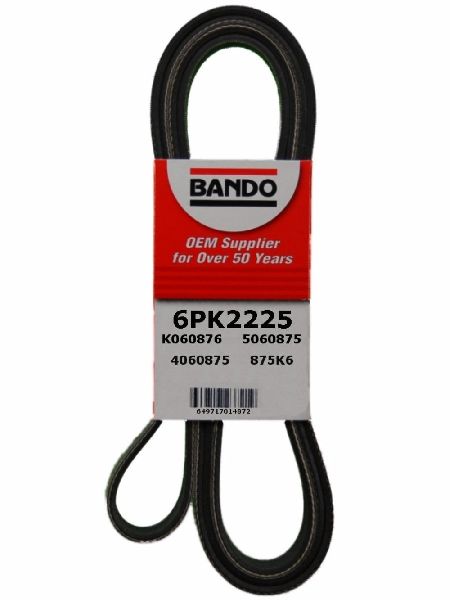
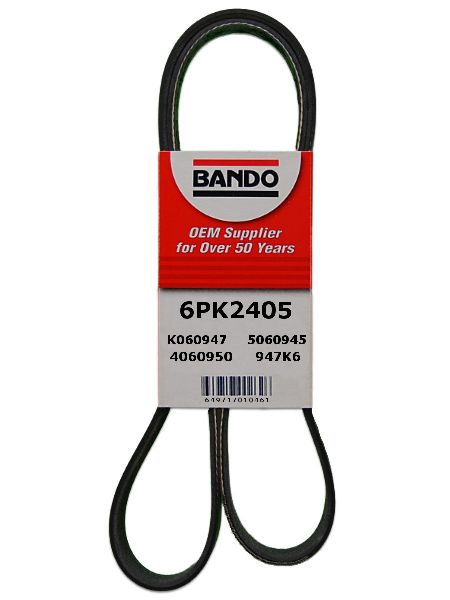

The information in this article is provided for general reference and educational purposes only. Vehicle specifications, procedures, and part compatibility can vary by production date, trim level, and region. Always consult your vehicle's factory service manual and verify part numbers before purchasing or performing repairs. Safety-critical components such as airbags, seat belts, and braking systems should be installed by a qualified professional.
- GMC K3500: