

Engine Oil Pressure Switch and Sender Guide for 1988-2000 GMC K3500
Fix your K3500's erratic or incorrect oil pressure gauge readings with the right replacement part.
- A gauge reading zero, maxed out, or flickering is the most common symptom of a bad switch.
- Always check your oil level first to rule out a real low-pressure problem.
- Location varies by engine (gas vs. diesel), but it's always in a tight spot at the back/top of the engine.
- A special oil pressure switch socket is highly recommended for DIY replacement.
Is Your Oil Pressure Gauge Acting Up?
A faulty oil pressure switch is a common issue on GMT400 trucks like your 1988-2000 K3500. The symptoms can be alarming, but the fix is usually straightforward. Before you worry about major engine problems, it's important to understand what a failing oil pressure switch looks like and how to choose the best replacement.
Don't Ignore Oil Warnings
Never assume a warning light or low gauge reading is just a bad sensor. Always check your engine oil level immediately. Driving with genuinely low oil pressure can cause catastrophic engine damage.
Symptoms of a Bad Oil Pressure Switch
When this sensor starts to fail, it can cause confusing readings on your dash. Here are the most common signs:
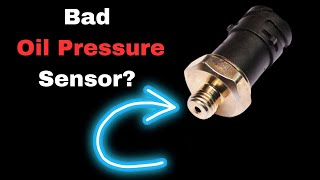
🎬 Watch this video to see these 5 telltale signs in action.- Gauge Reads Zero or Maxed Out: The most obvious sign is an oil pressure gauge that reads 0 PSI or is pegged all the way to the maximum (often 60-80 PSI) as soon as you turn the key.
- Flickering or Erratic Gauge: The needle may jump around randomly, not corresponding to engine speed. This can happen during turns or acceleration as oil moves in the pan.
- Oil Warning Light On: If your truck has a warning light instead of or in addition to a gauge, a bad sensor can cause it to stay on, even with a full oil level.
- Visible Oil Leak: The sensor itself can fail, leaking oil from its body or the electrical connector. This leak can drip onto hot engine parts, causing a burning oil smell.
- (Diesel) Extended Cranking Time: On 6.2L and 6.5L diesels, a failed switch can affect the backup power to the lift pump, sometimes leading to longer crank times before the engine starts.
Choosing the Right Aftermarket Switch
For a vehicle like the 1988-2000 K3500, aftermarket parts offer great value. While an OEM AC Delco part is always a safe bet, quality aftermarket brands provide reliable performance for less money. Based on owner feedback and brand reputation, here's how the available brands stack up.
Brand Quality Tiers
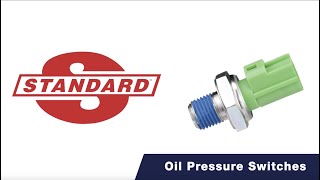
- Tier 1 - Trusted Aftermarket (Standard Ignition): Standard Ignition (also known as Standard Motor Products or SMP) is a well-regarded aftermarket manufacturer. They often produce parts that meet or exceed original specifications and are known for robust testing. 🎬 Take a closer look at how Standard oil pressure switches work. However, some users in forums have reported premature failures with certain part numbers, so experiences can vary.
- Tier 2 - Standard Replacement (Rostra Powertrain, Global Parts): Rostra is a long-standing manufacturer, particularly in transmission components, and their sensors are built in certified facilities. Global Parts (often sold as GPD) offers a budget-friendly option. For a simple switch, these brands are generally considered adequate standard replacements, though they may not have the same long-term durability reputation as premium brands.
Pro Tip: Check the Connector
Over the long 1988-2000 production run and across different engines (5.7L, 7.4L, 6.2L/6.5L Diesel), GM used a few different styles of oil pressure switches. They can have one, two, or three electrical pins. Always visually match your old part to the new one before installation to ensure you have the correct connector.
Cost of Replacing the Engine Oil Pressure Switch
| Part Type | Estimated Cost |
|---|---|
| New Aftermarket | $12 - $74 |
| New OEM (AC Delco) | $45 - $90 |
| Shop Labor | $75 - $150 |
Frequently Asked Questions
Where is the oil pressure switch located on my K3500?
The location varies by engine. On gas engines (5.7L V8, 7.4L V8), it is typically found at the top of the engine block, behind the intake manifold, near the distributor. On diesel engines (6.2L, 6.5L), it's often on the driver's side of the engine, either near the back of the cylinder head (pre-1996 models) or behind the intake manifold runner (1996+ models).
Can I replace this part myself?
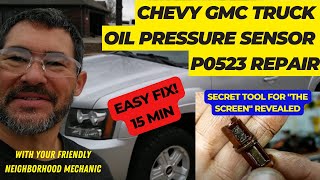
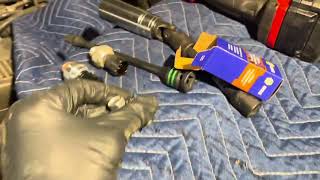
Yes, this is a DIY-feasible job for most home mechanics. The main challenge is access, as the sensor is in a tight spot at the back of the engine. A special oil pressure switch socket is highly recommended, as a standard deep socket may not fit or could damage the new sensor. 🎬 See the easy way to replace your sensor using this tool. You will likely need a ratchet with a wobble extension to reach it.
What happens if I ignore a bad oil pressure switch?
The biggest risk is that you won't have an accurate way to monitor your engine's health. If a real oil pressure problem occurs, you won't be warned, which could lead to severe engine damage. On diesel models, it could also leave you without a backup for your fuel pump, potentially causing stalling if the main relay fails.
My new switch reads lower/higher than my old one. Is it bad?
Not necessarily. It's common for different brands of sending units to be calibrated slightly differently. One aftermarket brand might read 15 PSI lower than the stock unit at idle, for example. As long as the pressure reading is stable and rises normally with engine RPM, it is likely functioning correctly. The key is to have a consistent reading, not a specific number.
Helpful Videos

Technical Specifications
OEM Part Numbers: 19244501 10243574 12555492 15564999
Varies by engine and year. Can be a 1, 2, or 3-pin electrical connector. The switch for the gauge is a variable resistor, while the switch for a warning light is a simple on/off switch. Some diesel models use a 3-pin switch that also controls the fuel lift pump.
We Have This Part in Stock


The information in this article is provided for general reference and educational purposes only. Vehicle specifications, procedures, and part compatibility can vary by production date, trim level, and region. Always consult your vehicle's factory service manual and verify part numbers before purchasing or performing repairs. Safety-critical components such as airbags, seat belts, and braking systems should be installed by a qualified professional.
- GMC K3500:
- 🎬 Helpful Videos
- 🛍️ Shop This Part
- Is Your Oil Pressure Gauge Acting Up?
- Don't Ignore Oil Warnings
- Symptoms of a Bad Oil Pressure Switch
- Choosing the Right Aftermarket Switch
- Brand Quality Tiers
- Pro Tip: Check the Connector
- Cost of Replacing the Engine Oil Pressure Switch
- Frequently Asked Questions
- 🎟️ Get 5% Off