

Acura Integra Throttle Position Sensor (TPS) Guide: 1988-2001
Solve hesitation, rough idle, and stalling issues in your 1988-2001 Acura Integra by understanding and replacing your Throttle Position Sensor.
- An aftermarket TPS is the most practical and affordable solution, as OEM sensors are often only sold with the entire throttle body.
- The original factory TPS is held on with headless screws that must be cut or drilled for removal.
- Calibration is mandatory. A new TPS must be adjusted with a multimeter to ~0.5V (closed) and ~4.5V (wide open) to function correctly.
- Symptoms like hesitation, rough idle, and stalling are strong indicators of a failing TPS in an Integra.
Is Your Integra's TPS Failing? Common Symptoms
A bad Throttle Position Sensor sends incorrect information to your engine's computer, causing a range of drivability problems. These issues can start small and get worse over time. Watch for these common signs of TPS failure in your 1988-2001 Integra.
- Hesitation and Stumbling: The car may hesitate or stumble when you press the gas pedal, especially under light acceleration. You might feel a "dead spot" in the pedal's travel.
- Rough or Unstable Idle: Your engine may idle erratically, with the RPMs surging up and down on their own.
- Poor Acceleration: The car feels sluggish and lacks power, struggling to pick up speed as it normally would.
- Sudden Stalling: The engine may stall unexpectedly, especially when you let off the gas or come to a stop. This can be a serious safety issue.
- Check Engine Light: A failing TPS will often trigger the Check Engine Light. Common trouble codes associated with the TPS are P0120, P0121, P0122, P0123, and P0124.
- Automatic Transmission Problems: If you have an automatic, a bad TPS can cause harsh shifting, delayed shifts, or the transmission feeling like it's in the wrong gear.
Choosing the Right Aftermarket TPS
For the 1988-2001 Integra, choosing an aftermarket TPS is often the only practical option. Dealerships typically do not sell the sensor by itself, requiring you to purchase the entire throttle body assembly at a much higher cost. Aftermarket brands provide a direct-fit sensor that can be installed on your original throttle body.
The Original Screws Are a Challenge
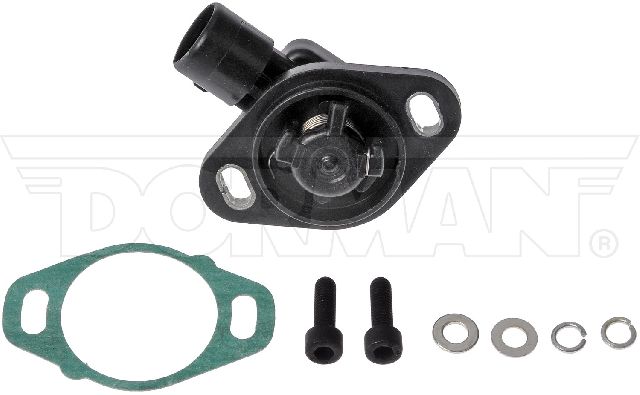
The factory TPS is held on by special headless screws that look like rivets. To remove the original sensor, you must cut a slot into these screws with a small hacksaw or Dremel tool to use a flathead screwdriver, or carefully drill the heads off. Most aftermarket TPS kits thankfully include new, standard hex or Phillips head screws for easier installation.
Aftermarket Brand Tiers
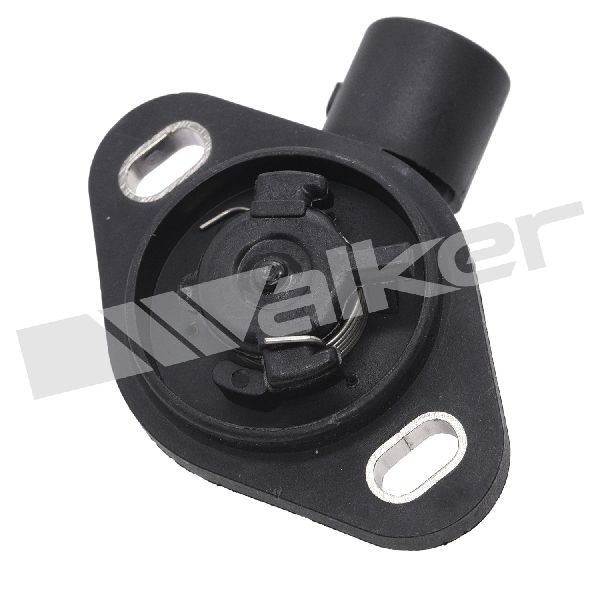
- Good Quality (Dorman, Walker Products): Brands like Dorman are well-regarded in the aftermarket community. They often provide parts that meet or exceed original quality and include necessary hardware like gaskets and new screws. Forum users have reported good results using Dorman sensors on their Integras to solve performance issues. Walker Products is another established brand offering direct-fit replacements.
- Economy (Replacement): The "Replacement" brand is a budget-friendly option. While more affordable, the long-term durability may not match that of more established brands. These are a viable choice if the budget is the primary concern.
Cost to Replace an Integra Throttle Position Sensor
The cost to replace the TPS on an Integra is reasonable, especially when doing the work yourself. The main cost difference is between DIY and professional installation.
| Part / Service | Estimated Cost |
|---|---|
| New Aftermarket TPS | $24 - $71 |
| New OEM TPS | Not typically sold separately. Included with throttle body assembly ($400+). |
| Shop Labor | $75 - $115 |
| Total Professional Replacement | $100 - $186 |
Calibration is Not Optional
You cannot simply bolt on a new TPS and start the car. The new sensor must be calibrated using a multimeter. This process involves adjusting the sensor's position until it sends the correct voltage to the ECU: approximately 0.5 volts at closed throttle and 4.5 volts at wide-open throttle. Failure to calibrate will result in continued performance problems.
Frequently Asked Questions (FAQ)
Do I have to replace the whole throttle body?
No. While the dealer may only sell the complete throttle body assembly, you can buy an aftermarket TPS and install it on your existing throttle body. This is a much more cost-effective repair.
How do I remove the original factory TPS screws?
The factory uses headless screws that must be modified for removal. The most common method is to use a Dremel with a cutting disc or a small hacksaw blade to carefully cut a straight slot into the screw head. This allows you to use a flathead screwdriver to back them out. Be patient and careful not to damage the throttle body.
What tools do I need to replace and calibrate my Integra's TPS?
You will need basic hand tools to remove the throttle body (sockets, wrenches), a tool to cut the original screws (Dremel or hacksaw), and a multimeter to calibrate the new sensor. You may also need paper clips or back-probes to safely read the voltage from the sensor's wiring harness without damaging it.
Can I just clean my throttle position sensor?
No. The TPS is a sealed electronic sensor. If it has failed internally, cleaning will not fix it. While cleaning carbon buildup from the throttle body itself is good practice and can solve some idle issues, a faulty sensor must be replaced.
Technical Specifications
OEM Part Numbers: 16400P06A11 06164PM5A02 16400P28A01 16400P0AA50 911-753 16400P06A01 16400P07A00
Configuration: 3-Prong Blade Male Terminal. Calibration Voltage: ~0.5V at closed throttle, ~4.5V at wide-open throttle.
We Have This Part in Stock

The information in this article is provided for general reference and educational purposes only. Vehicle specifications, procedures, and part compatibility can vary by production date, trim level, and region. Always consult your vehicle's factory service manual and verify part numbers before purchasing or performing repairs. Safety-critical components such as airbags, seat belts, and braking systems should be installed by a qualified professional.
- Acura Integra: