

Chevrolet C1500 1988-2002 Ignition Knock Sensor: A Replacement Guide
Keep your C1500's engine running strong by understanding and replacing a faulty knock sensor.
- A bad knock sensor will trigger a Check Engine Light with codes like P0327 or P0332.
- For 1996-2002 V8s, the sensors are under the intake manifold; always replace the sensors and harness together using high-quality parts like ACDelco or Delphi.
- The new sensor must be tightened to the correct torque specification (15 ft-lbs) to function properly.
- Ignoring a bad sensor can lead to poor performance, bad gas mileage, and potentially severe engine damage from undetected knocking.
Symptoms of a Failing Knock Sensor
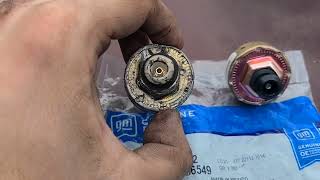
When a knock sensor goes bad, your truck's computer can't hear if the engine is knocking. This can cause several noticeable problems. The most common sign is the Check Engine Light turning on. You might also feel that the truck is slow or sluggish, especially when accelerating, because the computer will default to a "safe", less powerful engine timing map. This safe mode often leads to worse gas mileage. In some cases, if the sensor has completely failed, you might hear a metallic pinging or knocking sound from the engine, especially when it's working hard. This is the sound of detonation that the sensor is supposed to prevent, and it can cause serious engine damage if ignored.
Choosing the Right Aftermarket Part
For a critical sensor like this, brand quality matters. Not all aftermarket sensors are created equal, and for GM trucks of this era, the computer can be sensitive to using the correct parts.
- Premium Tier (OEM Equivalents): ACDelco and Delphi are highly recommended for the C1500. ACDelco is the original GM parts brand, and Delphi was a major parts supplier for GM, so their products are often identical to the factory part. These brands provide the highest likelihood of working correctly without issues.
- Quality Mid-Tier: Brands like NGK, Standard Ignition (SMP), and Holstein offer a good balance of quality and price. They are reputable manufacturers known for producing reliable sensors that meet or exceed OEM specifications.
- Value Tier: Brands such as Global Parts, True Tech, and Motorad are typically the most affordable. While they can be a budget-friendly solution, be aware that some owners report a higher chance of premature failure or out-of-the-box issues with economy brands for this specific part.
A Note on Vortec Engines (1996-2002)
If you have a V8 engine from 1996 or later, the two knock sensors are located under the intake manifold. This is a difficult job that requires removing the entire manifold. 🎬 See this Vortec knock sensor replacement walkthrough Because of the high labor involved, it is strongly recommended to use only top-tier brands like ACDelco or Delphi. You don't want to do this job twice. Also, always replace the small wiring harness that connects the two sensors at the same time, as it becomes brittle and is a common point of failure.
Cost to Replace a C1500 Knock Sensor
| Item | Estimated Cost |
|---|---|
| New Aftermarket Sensor | $39.80 - $73.96 |
| New OEM (ACDelco) Sensor | $54 - $93 |
| Shop Labor (TBI Engines, 1988-1995) | $100 - $200 |
| Shop Labor (Vortec Engines, 1996-2002) | $300 - $600+ |
Frequently Asked Questions
Where is the knock sensor on my 1988-2002 C1500?
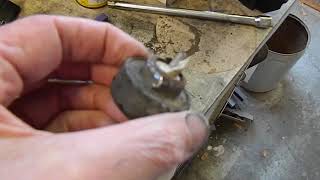
The location depends on your engine. For 1988-1995 TBI engines (V6 or V8), there is usually one sensor screwed into the side of the engine block, often on the passenger side near the starter 🎬 Watch: Tips for removing a stuck or broken sensor or engine mount. It can be difficult to reach. For 1996-2002 Vortec engines (V6 or V8), there are two sensors located in the valley of the engine, underneath the plastic intake manifold. You must remove the intake manifold to access them.
What do codes P0327 and P0332 mean on my Chevy truck?
These are the most common codes for knock sensor problems on these trucks. P0327 means "Knock Sensor 1 Circuit Low Input," which points to a problem with the front sensor (or the only sensor on older models). P0332 means "Knock Sensor 2 Circuit Low Input," pointing to the rear sensor on Vortec engines. 🎬 Watch: How to diagnose P0327 and P0332 codes This usually means the sensor has failed or there is a problem with the wiring.
Do I need to drain the coolant to replace the knock sensor?
Yes, on most 1988-1995 TBI engines, the knock sensor is threaded into a coolant passage in the block. When you unscrew it, coolant will pour out. You should drain the coolant below the level of the sensor before starting. On 1996-2002 Vortec engines, the sensors are in the dry valley of the block, but you must drain the coolant to remove the intake manifold to get to them.
Is it important to torque the knock sensor correctly?
Yes, this is critical. The knock sensor is a sensitive microphone that detects vibrations. It must be tightened to the correct specification, which is typically 15 ft-lbs for these GM engines. If it's too loose, it won't detect knock properly. If it's too tight, it can be damaged or become overly sensitive, causing false readings and poor performance.
Helpful Videos

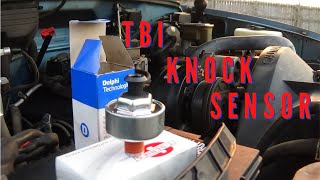
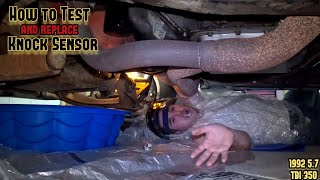
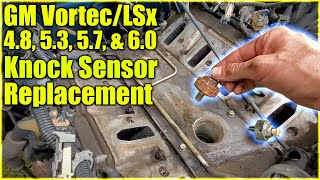
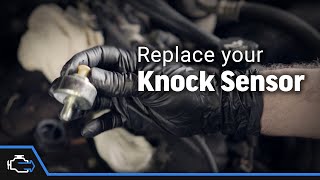
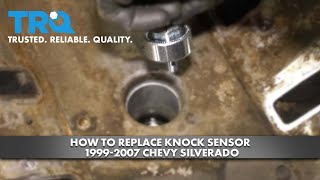
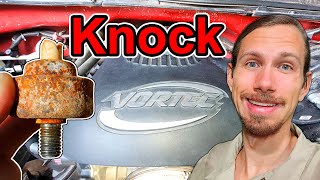
Technical Specifications
OEM Part Numbers: 10456288 12589867 10456603
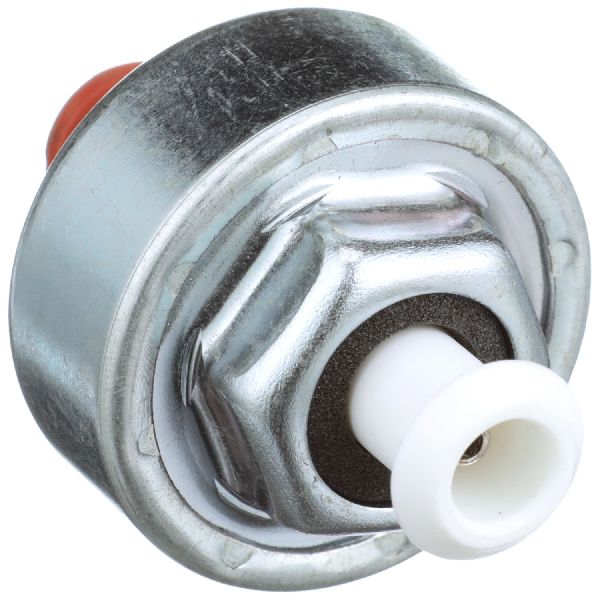
Piezoelectric sensor designed to detect specific engine knock frequencies. The correct torque of 15 ft-lbs is critical for proper operation. Location and part number vary between TBI (1988-1995) and Vortec (1996-2002) engine designs.
We Have This Part in Stock


The information in this article is provided for general reference and educational purposes only. Vehicle specifications, procedures, and part compatibility can vary by production date, trim level, and region. Always consult your vehicle's factory service manual and verify part numbers before purchasing or performing repairs. Safety-critical components such as airbags, seat belts, and braking systems should be installed by a qualified professional.
- Chevrolet C1500: