

Ford Ranger Ignition Coil Guide: Choosing the Right Part for 1988-2002 Models
Solve misfires and restore lost power by understanding the right ignition coil for your truck's specific engine.
- First, identify if your Ranger has single coils or a coil pack by inspecting the engine.
- For reliability, choose an OEM (Motorcraft) or premium aftermarket brand like NGK or Delphi.
- Always label your spark plug wires before removing them from the old coil to avoid mixing them up.
- It is highly recommended to replace the spark plugs and wires at the same time as the ignition coil.
Signs of a Failing Ignition Coil in Your Ranger

When an ignition coil starts to fail on a 1988-2002 Ford Ranger, the symptoms are usually noticeable. Because the coil is responsible for spark, a weak or dead coil directly impacts how the engine runs. You'll likely experience one or more of the following issues:
- Engine Misfires: The engine may sputter, shake, or shudder, especially under load or while accelerating. This happens because one or more cylinders aren't firing correctly.
- Rough Idle: Your truck may idle poorly, feeling shaky or like it's about to stall when you're stopped.
- Check Engine Light: A failing coil will often trigger the check engine light. Common codes include P0300 (random misfire) through P0306 (cylinder-specific misfire), or P0351/P0352 which point directly to the coil circuit.
- Loss of Power & Poor Acceleration: The truck will feel sluggish and weak because the engine isn't producing full power.
- Worse Fuel Economy: When fuel isn't burned efficiently due to weak spark, your gas mileage will suffer.
- Stalling or Hard Starting: In severe cases, a completely failed coil can prevent the engine from starting at all or cause it to stall unexpectedly.
Single Coils vs. Coil Packs: Know Your Ranger's Setup

Before buying a replacement, you must know what your Ranger uses. The 1988-2002 generation saw a transition in ignition technology.
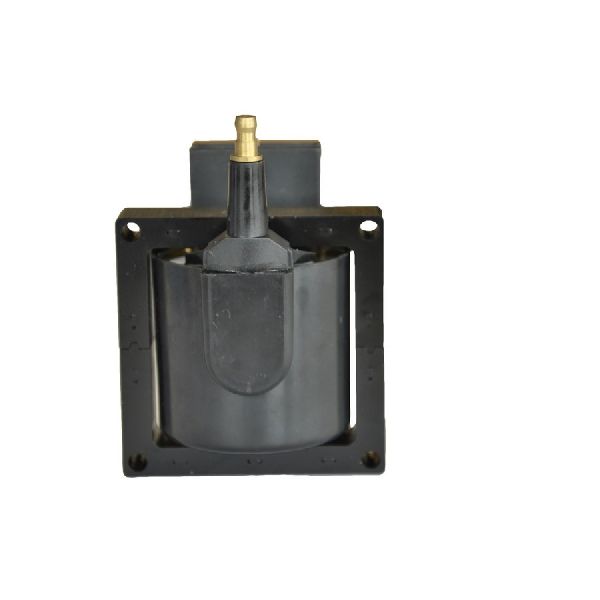
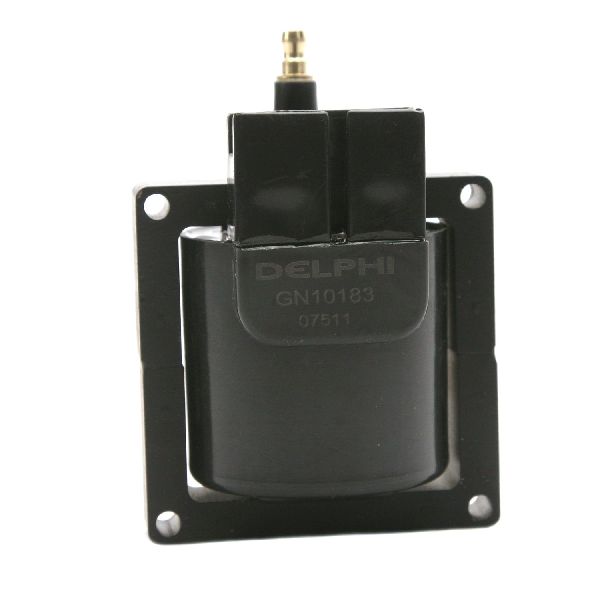
- Early 4-Cylinder (2.3L Lima): These engines typically used one or two separate, canister-style ignition coils.
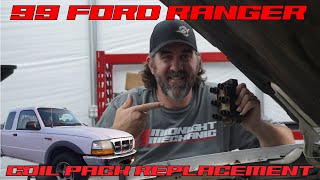
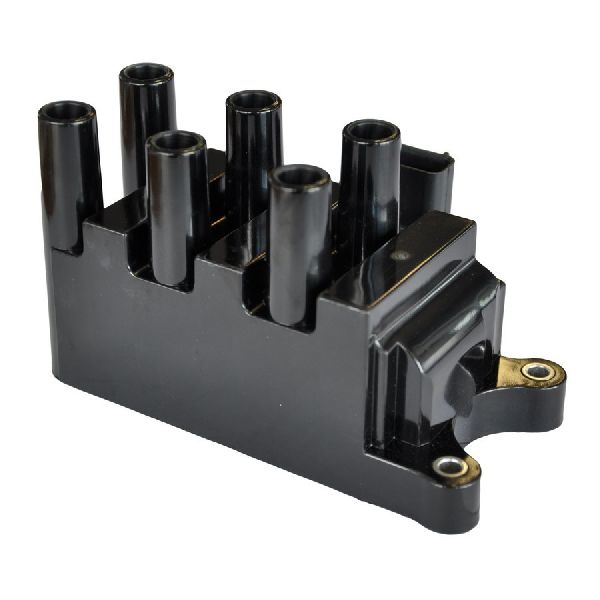
- V6 Engines (3.0L Vulcan, 4.0L Cologne): 🎬 See a step-by-step coil pack replacement for V6 models. These models use a single, rectangular "coil pack." This one unit contains multiple coils inside and has terminals for all six spark plug wires.
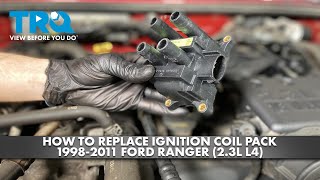
- Later 4-Cylinder (2.3L/2.5L Duratec): Rangers from the late 90s and early 2000s with the newer 4-cylinder engines also use a coil pack design. 🎬 Watch how to replace the coil pack on 2.3L engines.
Pro Tip: The easiest way to be sure is to look under your hood. Follow the spark plug wires back from the engine. If they all lead to a single rectangular block bolted to the engine or a bracket, you have a coil pack. If they lead to one or two round, can-shaped coils, you have the older style.
Choosing the Right Aftermarket Ignition Coil

For a daily-driven Ranger, sticking close to the original equipment (OEM) design is the most reliable choice. While performance brands exist, they often aren't necessary for a stock engine and can sometimes be less reliable than OEM-style parts. Forum users and mechanics consistently recommend Motorcraft (Ford's own brand) for reliability. However, several aftermarket brands offer excellent quality, often at a better price.
Brand Quality Tiers
- OEM / Premium Aftermarket: These brands are known to be original equipment suppliers or meet or exceed OEM quality. They are the most recommended for reliability.
Brands: Motorcraft, NGK, Delphi, Denso, Hitachi. - Quality Aftermarket: These brands are well-regarded in the industry and offer a great balance of price and performance. They are a solid choice for most repairs.
Brands: Standard Ignition (SMP), Walker Products, WAI Global, Spectra. - Performance Aftermarket: These are for modified engines that may benefit from a hotter spark. For a stock Ranger, they are generally not necessary and some users report reliability issues compared to OEM.
Brands: MSD, Accel. - Economy Aftermarket: These are budget-friendly options. While they can work, their long-term durability may not match that of premium brands.
Brands: DriveWire, Global Parts, Skyward, Prenco.
A Note on "Upgrades"
Be cautious of performance coils (like MSD or Accel) for a stock or lightly modified Ranger. Many experienced owners and mechanics report that these parts offer no noticeable benefit on a stock engine and can sometimes fail prematurely compared to high-quality OEM-style coils. The factory ignition system is more than adequate for stock power levels.
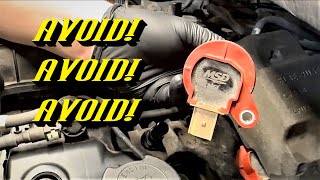
🎬 Learn why some mechanics avoid certain aftermarket ignition coils.Replacement Cost

The cost to replace your Ranger's ignition coil depends on the part you choose and whether you do it yourself. The job is straightforward and a good project for a DIY mechanic.
| Part/Service | Estimated Cost |
|---|---|
| New Aftermarket Coil/Pack | $23 - $230 |
| New OEM (Motorcraft) Coil/Pack | $65 - $100 |
| Shop Labor | $75 - $150 |
| Total DIY Cost | $23 - $230 |
| Total Professional Cost | $98 - $380 |
Frequently Asked Questions (FAQ)
Is it hard to replace a Ford Ranger ignition coil?
No, it is generally an easy job. For most models, the coil pack is mounted in an accessible location on top of or near the engine. The process involves disconnecting the battery, unplugging the electrical connector, carefully removing the spark plug wires, and unbolting the coil. The main challenge is ensuring the spark plug wires are reconnected to the correct terminals on the new coil to maintain the proper firing order.
Do I need to replace spark plugs and wires with the coil?
It is highly recommended. Old or worn-out spark plugs and wires can put extra strain on a new ignition coil, causing it to fail prematurely. Replacing all three components at the same time is a best practice for a complete ignition system tune-up.
What is the most common mistake when replacing a coil pack?
The most common mistake is mixing up the spark plug wires. This will cause the engine to run very poorly or not at all. To avoid this, label each wire with masking tape and a number corresponding to its cylinder before you remove it from the old coil. Alternatively, you can move the wires one at a time from the old coil to the new one if they are long enough.
Are there any recalls for the 1988-2002 Ranger ignition coil?
No, searches of the National Highway Traffic Safety Administration (NHTSA) database did not find any ignition coil-specific recalls for the 1988-2002 Ford Ranger. Later model year Rangers had some Technical Service Bulletins (TSBs) related to water getting into spark plug wells, but these do not apply to this generation.
Helpful Videos
Technical Specifications
OEM Part Numbers: F5TZ-12029-A F5TZ-12029-B F5TZ-12029-C F1TZ-12029-A E9TZ-12029-A
Varies by engine. 4-cylinder models may use one or two single-tower coils. V6 models and later 4-cylinders use a multi-tower coil pack. The number of towers on the pack must match the number of cylinders (e.g., 6 towers for a V6).
We Have This Part in Stock


The information in this article is provided for general reference and educational purposes only. Vehicle specifications, procedures, and part compatibility can vary by production date, trim level, and region. Always consult your vehicle's factory service manual and verify part numbers before purchasing or performing repairs. Safety-critical components such as airbags, seat belts, and braking systems should be installed by a qualified professional.
- Ford Ranger: