

BMW M3 Horn Diagnosis and Replacement Guide (1988-2003)
If your M3's horn is silent, weak, or sounds like a clown car, this guide will help you diagnose and fix the problem.
- Always diagnose the problem before buying a new horn; the issue is often the fuse, relay, or slip ring.
- A weak or 'clown car' sound almost always means one of the two horns in the dual-horn setup has failed.
- Accessing the horns typically requires removing a front wheel and the plastic fender liner.
- Be aware of generation-specific issues, like grounding problems on the E30 or a loose steering wheel screw on the E46.
Is Your BMW M3 Horn Failing?

A problem with your M3's horn isn't just an annoyance; it's a safety issue that can fail a vehicle inspection. Common symptoms range from a complete loss of sound to a noticeable change in tone. Before you buy a new horn, it's important to understand what might be causing the problem, as the horn units themselves are not always the culprit.
Diagnose Before You Buy
🎬 Watch this complete E46 horn troubleshooting guide for step-by-step help.More often than not, a silent horn on an E30, E36, or E46 M3 is caused by something other than the horn itself. Test these components first to avoid buying parts you don't need:
- Fuses: Check the horn fuses first. For the E46 M3, these are typically fuses 5 and 55 in the glove box.
- Horn Relay: Listen for a 'click' from the relay box when you press the horn button. If you hear a click, the relay is likely working, and the problem is further down the line. If there's no click, the relay or the steering wheel circuit could be the issue.
- Slip Ring (Clock Spring): If your horn only works when the steering wheel is in a certain position, or if your airbag light is also on, a faulty slip ring is the most likely cause.
- Grounding: Poor ground connections can cause a weak or non-functioning horn. This is a known issue on E30 models at the steering column knuckle.
Symptoms of a Failing Horn System

Pay attention to these signs to help narrow down the issue:
- Weak or "Clown Car" Sound: This is the most common sign that one of the two horn units has failed. Your M3 has a high and a low-tone horn; when one stops working, the remaining horn sounds weak and off-pitch.
- No Sound at All: This could be a blown fuse, a bad relay, a failed slip ring, or both horn units have failed simultaneously.
- Horn Stays On: This can be caused by a stuck relay or a short circuit in the steering wheel. On E46 models specifically, a loose screw inside the steering wheel airbag assembly is a known cause for this exact problem.
- Intermittent Operation: If the horn works sporadically, it often points to a failing slip ring in the steering column or a loose electrical connection.
Choosing the Right Aftermarket Horn

When you've confirmed the horn unit itself is dead, you have a choice between basic replacements and higher-quality aftermarket options.
Brand Tiers
- Standard Ignition: This brand is a well-regarded OE-style replacement. They focus on matching factory fit, form, and function using quality materials. Owners generally report that Standard Ignition horns provide a loud, correct tone similar to the original. This is a solid choice for an owner who wants a reliable, long-term fix without paying for a dealer part.
- Replacement: This is your budget-friendly, universal-style option. While it will make your car pass inspection, the sound might be described as "tinny" or less robust than the original dual-tone BMW sound. It gets the job done but may not match the quality feel of the rest of the car.
| Brand | Price Range (Per Unit) |
|---|---|
| Replacement | $36.29 - $55.00 |
| Standard Ignition | $50.00 - $77.37 |
Generation-Specific Information (E30, E36, E46)

Horn location and common issues can vary by your M3's generation.
- E30 M3 (1988-1991): The dual horns are typically found behind the front bumper valance, in front of the wheels. A common failure point beyond the horns themselves is the ground connection for the steering column.
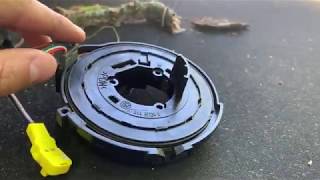
- E36 M3 (1992-1999): Horns are generally located under the headlights and can be accessed by removing the fender liner. The steering wheel slip ring is a frequent point of failure on this chassis. 🎬 See how to replace a failing E36 steering wheel clock spring.
- E46 M3 (2000-2003): The horns are in the front wheel wells, requiring you to remove the wheel and fender liner for access. The horn relay is located behind the glove box. Remember to check for the notorious loose steering wheel screw if your horn is stuck on.
Frequently Asked Questions (FAQ)

How do I test the horn unit directly?
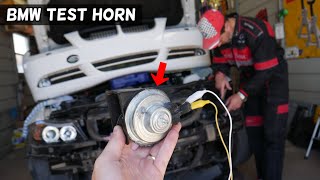
You can test a horn by disconnecting its electrical connector and using jumper wires to apply 12V power directly from the car battery. If the horn makes a sound, it works. 🎬 Watch this quick demonstration on how to test your horn directly. If it remains silent, it has failed and needs to be replaced.
Where are the horns located on my M3?
It depends on the generation. For E30s, look behind the front bumper. For E36 and E46 models, they are typically located in the front wheel wells, behind the plastic liners. You will likely need to remove the front wheel to get easy access.
Do I need to replace both horns at once?
It is not required, but it is often recommended. The horns are exposed to the same conditions, so if one has failed due to age or corrosion, the other may not be far behind. Replacing them in pairs ensures a correct, strong tone and saves you from having to do the job twice.
Could a bad slip ring (clock spring) be my problem?
Yes, this is a very common issue, especially on the E36 and E46. If the horn doesn't work but other steering wheel buttons do (or don't), and especially if the airbag warning light is on, the slip ring is a prime suspect.
Helpful Videos
Technical Specifications
OEM Part Numbers: 61338381271 61338381272 61331387191 61331387192 61331377902 61331377903
System Type: Dual Horn (High-Tone and Low-Tone) Voltage: 12V
We Have This Part in Stock


The information in this article is provided for general reference and educational purposes only. Vehicle specifications, procedures, and part compatibility can vary by production date, trim level, and region. Always consult your vehicle's factory service manual and verify part numbers before purchasing or performing repairs. Safety-critical components such as airbags, seat belts, and braking systems should be installed by a qualified professional.
- BMW M3: