

Ford Ranger Cruise Control Release Switch: A Guide for 1988-2011 Models
This critical switch can affect more than just your cruise control; on many Rangers, it's a serious fire risk.
- A faulty switch is a serious fire hazard on 1995-2003 Rangers, even when parked.
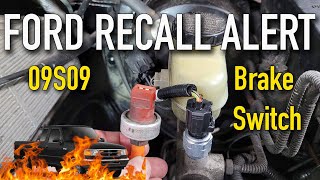
- Check your truck for the recall fix (a fused wiring harness) and inspect the switch for leaks or a red-colored connector.
- Replacement is extremely easy and can be done in minutes with basic tools.
- A quality aftermarket switch is a safer and more reliable choice than the original OEM part.
Understanding the Ranger's Cruise Control Switch

On a 1988-2011 Ford Ranger, the cruise control release switch is a small but vital sensor. It reads the hydraulic pressure in your brake system. When you step on the brakes, the pressure increase signals the switch, which then deactivates the cruise control. However, a major flaw in the original switch design on many of these trucks has led to one of Ford's largest recalls.
CRITICAL ISSUE: Fire Risk and Recalls
Many Ford Rangers from approximately 1995 to 2003 were equipped with a faulty cruise control release switch. This switch can leak brake fluid internally, allowing it to contaminate the electrical components. Because the switch is always powered, this can cause a short circuit and lead to a fire under the hood. This can happen while driving or even when the truck is parked and turned off. 🎬 Watch: Real-world example of a truck fire caused by this switch Ford issued numerous recalls (including recall 05S28) to address this. The official fix was often just the installation of a fused wiring harness to prevent a fire, but this did not always include replacing the faulty switch itself. Any owner of a mid-90s to early-2000s Ranger should check if their vehicle was part of the recall and inspect the switch immediately.
🎬 Watch: How to check your hood for this recall hazardSymptoms of a Failing Switch

While a fire is the worst-case scenario, other symptoms can point to a problem:
- Cruise control won't turn on: The system may not engage at all.
- Cruise control won't turn off: If the switch fails, it may not disengage the cruise when you brake.
- Flashing cruise control light: On some models, a self-test can be run that flashes codes via the dash light to diagnose issues.
- Brake fluid leak: A visible leak or dampness around the switch on the master cylinder is a bad sign.
- Burning smell: An electrical burning smell from the engine bay is a critical warning to stop driving and inspect the vehicle.
Choosing the Right Aftermarket Switch

Given the history of the original equipment (OEM) part, a new aftermarket switch is often a better and safer choice. The original Texas Instruments switches, often identified by a rust-red electrical connector, are the primary cause for concern. Aftermarket brands have redesigned the part to prevent the internal leaking that caused the fires.
Standard Ignition (Standard Motor Products): This is a well-regarded brand in the aftermarket industry. Their replacement switches are designed to meet or exceed the original's fit and function, but with improved internal seals for better reliability and safety. Reviews from other Ford owners are generally positive, confirming the part fits correctly and resolves cruise control issues. For this specific part, an aftermarket replacement from a quality brand like Standard Ignition is a significant upgrade over a potentially faulty original.
🎬 See why this specific switch design is a fire hazard| Part Type | Price Range |
|---|---|
| New Aftermarket (e.g., Standard Ignition) | $13.46 - $101.00 |
| Shop Labor | $50 - $100 |
Pro Tip: Check Your Harness
Look at the wiring connected to your switch. If you see an extra wiring adapter with a visible fuse holder between the truck's main harness and the switch, your truck likely had the recall service performed. However, even with the fused harness, the original switch could still be installed and may leak. Replacing the old switch is cheap insurance.
Frequently Asked Questions

Is it difficult to replace this switch myself?
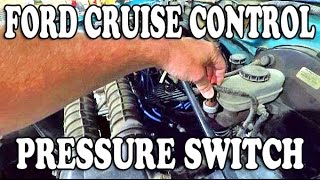
No, this is a very easy job for a DIY mechanic. It typically takes less than 20 minutes and requires only basic hand tools, like a 7/8" wrench. You simply unplug the old switch, unscrew it from the master cylinder, screw the new one in, and plug it back in.
How do I know if my Ranger was part of the recall?
The recalls primarily affected 1995-2003 Ford Rangers. You can check your Vehicle Identification Number (VIN) on the National Highway Traffic Safety Administration (NHTSA) website for open recalls. However, given the age of the vehicle, it's best to visually inspect the switch for leaks or the tell-tale red connector of the original faulty part.
Can I just unplug the switch if I'm worried about a fire?
Yes. Unplugging the electrical connector from the switch will remove the fire risk. Your cruise control will not work, but it is a safe temporary measure until you can replace the part.
Do I need to bleed my brakes after replacing the switch?
No. The switch screws into the master cylinder, and while a small amount of brake fluid might seep out when you change it, it does not introduce air into the brake lines. You should check your brake fluid level and top it off if necessary after the replacement.
Helpful Videos
Technical Specifications
OEM Part Numbers: 1L1Z9F924AA
Located on the brake master cylinder. Also known as a brake pressure switch or speed control deactivation switch.
We Have This Part in Stock


The information in this article is provided for general reference and educational purposes only. Vehicle specifications, procedures, and part compatibility can vary by production date, trim level, and region. Always consult your vehicle's factory service manual and verify part numbers before purchasing or performing repairs. Safety-critical components such as airbags, seat belts, and braking systems should be installed by a qualified professional.
- Ford Ranger: