

A Comprehensive Guide to the Speedometer Cable for the 1989 Chevrolet R2500
If your speedometer needle is bouncing, making noise, or not moving at all, it's time to check your speedometer cable.
- The 1989 R2500 uses a mechanical cable; do not confuse it with the electronic sensor on the newer C2500 body style from the same year.
- A bouncing needle, dashboard noise, or a dead speedometer are the classic signs of a failing cable.
- Standard aftermarket brands like Pioneer and ATP offer an affordable fix, while Lokar provides a premium, long-lasting upgrade.
- For a smooth and long-lasting repair, always lubricate the new inner cable with grease before installation.
Is Your Speedometer Acting Up? Common Symptoms
For a classic workhorse like the 1989 R2500, speedometer problems almost always point back to the cable. The signs are usually very clear and easy to spot.
- Wavering or Bouncing Needle: This is the most common symptom. As you drive at a steady speed, the needle jumps around instead of holding still. This is caused by the inner cable binding and releasing inside the housing because it's dry, kinked, or stretched.
- Squealing or Whining Noises: You might hear a squealing or grinding sound coming from behind the dashboard that changes with your speed. This is the sound of the dry metal cable scraping against its housing.
- Speedometer Doesn't Move: If the needle stays at zero, the inner cable has likely snapped or disconnected from the transmission or the back of the speedometer.
Critical Part Note: Cable vs. Electronic Sensor
The 1989 model year was a transition period for Chevrolet trucks. Your 1989 R2500 is part of the older "Square Body" platform and uses a mechanical speedometer cable. The newer body style, sold as the C2500 in 1989, uses an electronic Vehicle Speed Sensor (VSS). Before ordering, be certain you are working on an R2500 to avoid buying the wrong part.
Choosing the Right Aftermarket Speedometer Cable
Original OEM speedometer cables for a vehicle this age are no longer available. The good news is that the aftermarket offers several reliable options that fall into different categories.
Standard Replacement Cables
Brands like Pioneer Cable and ATP are the most common choices for a direct, budget-friendly replacement. These cables are designed to match the original factory part's length and fittings. They provide a perfectly adequate solution for a daily driver and will restore your speedometer's function. While generally reliable, some users in forums have noted that quality can sometimes be inconsistent compared to original parts.
Premium & Custom-Fit Cables
For owners looking for a heavy-duty or custom solution, brands like Lokar and B&M offer high-performance, cut-to-fit cables. Lokar cables, in particular, often feature a braided stainless steel housing and a modern PTFE liner for extremely smooth and long-lasting operation. These kits are more expensive but are considered a significant upgrade, especially for restored or modified trucks. They come with a long cable and housing that you trim to the perfect length for your specific application.
Pro Tip: Lubricate Before You Install
Even brand new cables benefit from extra lubrication. Before installation, pull the inner cable out of the new housing, apply a thin coat of white lithium grease or a specific graphite-based cable lubricant, and slide it back in. This simple step ensures quiet, smooth operation and helps the cable last much longer.
Aftermarket Speedometer Cable Cost
The price you pay will depend on the type of cable you choose. Standard replacements are very affordable, while premium kits demand a higher price for their superior materials and design.
| Brand Tier | Typical Price Range | Notes |
|---|---|---|
| Standard Replacement (Pioneer, ATP) | $17 - $45 | Direct-fit, standard quality. Good for most repairs. |
| Premium / Cut-to-Fit (Lokar, B&M) | $80 - $151 | Higher quality materials, requires cutting to length. A long-term upgrade. |
Frequently Asked Questions (FAQ)
Can I just lubricate my old cable instead of replacing it?
You can try, and it might fix the problem temporarily, especially if the only issue is noise. However, if the cable is stretched, frayed, or kinked, or if the inner lining of the housing is worn out, the problem will return quickly. Given the low cost of a new standard cable, replacement is the most reliable repair.
Is it difficult to replace the speedometer cable myself?
No, this is a very DIY-friendly job. It typically requires basic hand tools. You'll need to get under the dash to unclip the cable from the speedometer and under the truck to unscrew it from the transmission. The most important part is routing the new cable so it doesn't have any sharp bends or kinks.
Why are some cables so much more expensive?
The price difference comes down to materials and design. Premium cables from brands like Lokar use stainless steel braided housings and PTFE liners for smoother operation and better protection against heat and wear. Standard cables use a basic plastic or rubber housing similar to the original part. The premium cables are designed as a lifetime upgrade.
What tools do I need to replace the speedometer cable?
You will likely only need a pair of pliers or an adjustable wrench to loosen the threaded fitting at the transmission. Accessing the clip on the back of the speedometer can usually be done by hand, though it is in a tight space. No specialty tools are required for a direct-fit cable.
Technical Specifications
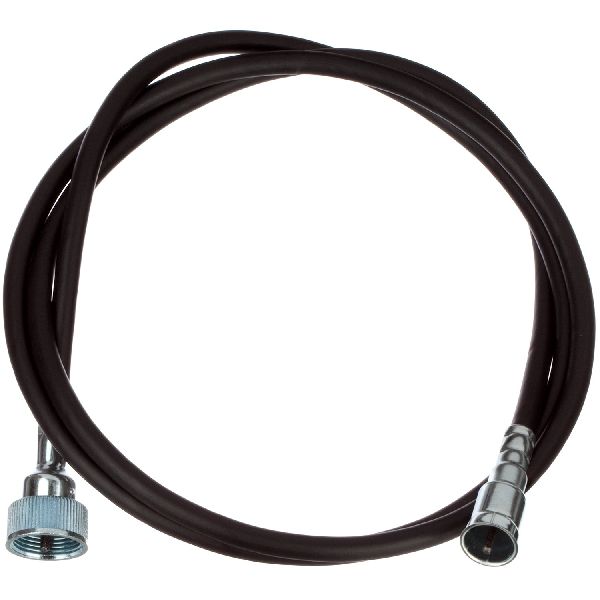
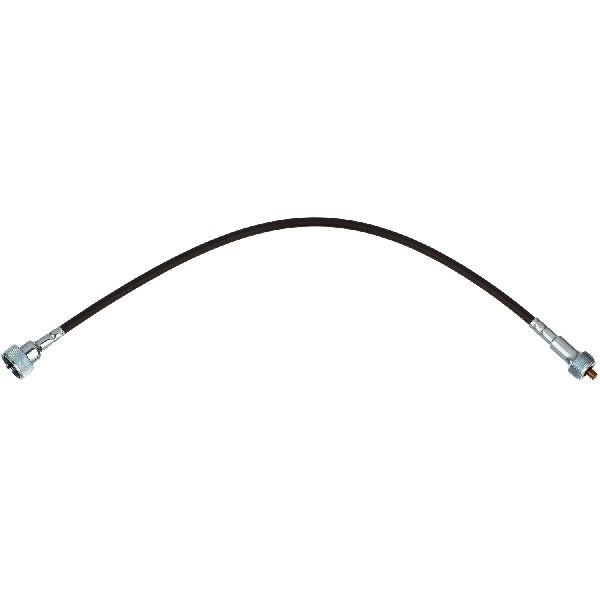
The key specifications are the overall length and the type of fittings. The speedometer head side typically uses a clip-on style fitting, while the transmission side uses a threaded screw-on collar. Aftermarket cables are sold as direct-fit or universal cut-to-fit.
We Have This Part in Stock


The information in this article is provided for general reference and educational purposes only. Vehicle specifications, procedures, and part compatibility can vary by production date, trim level, and region. Always consult your vehicle's factory service manual and verify part numbers before purchasing or performing repairs. Safety-critical components such as airbags, seat belts, and braking systems should be installed by a qualified professional.
- Chevrolet R2500:
- 🛍️ Shop This Part
- Is Your Speedometer Acting Up? Common Symptoms
- Critical Part Note: Cable vs. Electronic Sensor
- Choosing the Right Aftermarket Speedometer Cable
- Standard Replacement Cables
- Premium & Custom-Fit Cables
- Pro Tip: Lubricate Before You Install
- Aftermarket Speedometer Cable Cost
- Frequently Asked Questions (FAQ)
- 🎟️ Get 5% Off