

Essential Guide to the 1989 Dodge Raider 3.0L V6 Engine Timing Belt
Everything a Raider owner needs to know before replacing their V6 engine's timing belt.
- This guide is ONLY for the 1989 Raider with the 3.0L V6 engine, which uses a timing belt.
- The 3.0L V6 is an interference engine; a broken timing belt WILL cause catastrophic engine damage.
- The recommended replacement interval is every 60,000 miles. If in doubt, replace it.
- Always replace the tensioner and idler pulleys with the belt; purchase a complete kit from a quality brand like Gates, Continental, or Dayco.
Is Your Raider's Timing Belt About to Fail?
A timing belt doesn't usually fail without warning. If you notice any of these signs, it's time to inspect your belt immediately. Ignoring these symptoms can lead to a snapped belt and very expensive engine damage.
- Ticking Noise: A rhythmic ticking or clicking sound from the front of the engine can be a sign of a worn belt or a failing tensioner.
- Engine Won't Start: If the belt has already broken, the engine will crank over but won't start. You might hear the starter engage, but the engine won't fire up.
- Rough Idle and Poor Performance: If the belt has stretched or slipped a tooth, the engine's timing will be off. This can cause a shaky idle, hesitation when you accelerate, and a general loss of power.
- Oil Leak at Front of Engine: Oil leaking from the front timing belt cover can get on the belt and cause the rubber to degrade and fail prematurely. This leak often comes from a worn crankshaft or camshaft seal.
Critical Warning for 3.0L V6 Owners
The 3.0L V6 engine in the 1989 Dodge Raider is an interference engine. This means that if the timing belt breaks, the pistons will slam into the open valves, causing catastrophic engine damage. This is not a maybe; it is a certainty. Never drive a vehicle with a suspected timing belt issue.
Choosing the Right Aftermarket Timing Belt
For a vehicle like the 1989 Raider, high-quality aftermarket timing belts often meet or exceed the quality of the original part from decades ago. The key is choosing a reputable brand. Since the timing belt is so critical, this is not a part where you should try to save a few dollars on an unknown brand.
All the brands listed are established manufacturers. They can be grouped into tiers based on their reputation among professional mechanics.
- Top Tier (Premium Replacement): Brands like Gates and Continental are widely considered top-tier choices by mechanics. They are major OEM suppliers and their aftermarket products are known for quality and durability. Many mechanics trust them for critical jobs like this.
- OEM Quality (Standard Replacement): Dayco is another excellent choice and a major OEM supplier. They have a long history of making reliable belts. Cloyes is a very well-respected brand in timing systems, especially for chains and gears, and their kits include quality components.
Pro Tip: Replace the Full Kit
When you replace the timing belt, it is highly recommended to also replace the timing belt tensioner and any idler pulleys. These parts have been spinning for the same amount of time as the belt. A failed tensioner can cause a new belt to fail, leading to the same disastrous result. Buying a complete kit from a brand like Gates, Dayco, or Cloyes is the smartest way to do the job right.
Common Ordering Mistakes
The biggest mistake is ordering the wrong part for your engine. The 1989 Dodge Raider came with two different engines:
- 3.0L V6: Uses a timing belt. This guide applies to you.
- 2.6L 4-Cylinder: Uses a timing chain. A timing belt will NOT fit your engine.
Always confirm you have the 3.0L V6 engine before ordering a timing belt.
| Part/Service | Estimated Cost |
|---|---|
| New Aftermarket Timing Belt (Belt Only) | $41 - $57 |
| New Aftermarket Timing Belt Kit (Belt, Tensioner, etc.) | $70 - $130 |
| Shop Labor | $450 - $700 |
Frequently Asked Questions
Are there any recalls for the 1989 Dodge Raider timing belt?
No. A search of the National Highway Traffic Safety Administration (NHTSA) database shows no recalls or technical service bulletins (TSBs) related to the timing belt for this vehicle.
How often should the timing belt be replaced?
The generally accepted replacement interval for this engine is every 60,000 miles. If you have just purchased the vehicle and do not have proof of when the belt was last changed, you should plan to replace it as soon as possible for peace of mind.
Can I replace the timing belt myself?
This is a challenging job for a beginner. It requires specific tools, knowledge of how to set engine timing, and careful attention to detail. Mistakes can lead to poor running or severe engine damage. While it is possible for an experienced DIY mechanic, most owners should have this job performed by a qualified professional. The labor cost reflects the complexity of the job.
Should I also replace the water pump?
On many vehicles, the water pump is driven by the timing belt and is replaced at the same time. For the 3.0L V6 in the Raider, the water pump is driven by the accessory drive belt, not the timing belt. While it is not required to replace it with the timing belt, it is a good time to inspect it for leaks or bearing play, as much of the engine front is already disassembled.
Technical Specifications
OEM Part Numbers: MD100679 MD111427
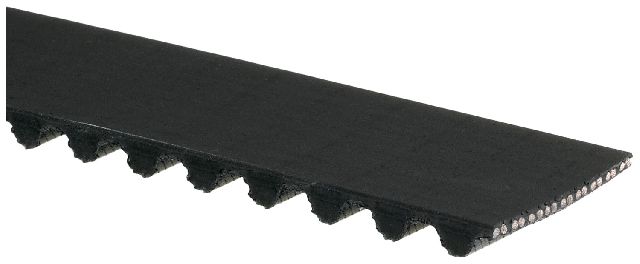
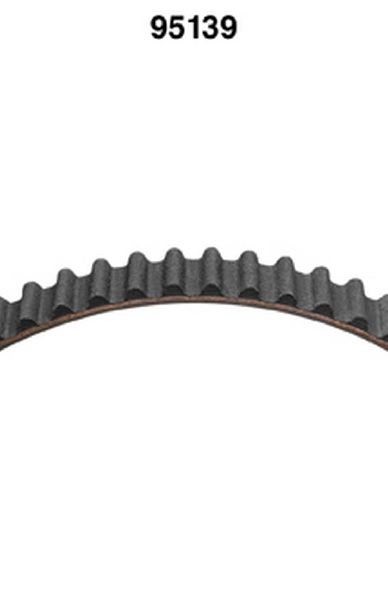
This timing belt is for the 3.0L SOHC V6 engine only. It has 149 teeth.
We Have This Part in Stock

The information in this article is provided for general reference and educational purposes only. Vehicle specifications, procedures, and part compatibility can vary by production date, trim level, and region. Always consult your vehicle's factory service manual and verify part numbers before purchasing or performing repairs. Safety-critical components such as airbags, seat belts, and braking systems should be installed by a qualified professional.
- Dodge Raider: