

Ford Bronco II Alignment Caster and Camber Kit Guide: 1989-1990
Correct your Bronco II's steering pull and prevent uneven tire wear with the right alignment kit.
- An alignment caster/camber kit is mandatory for any 1989-1990 Bronco II with a suspension lift to prevent severe tire wear.
- After installing the bushings, you must have a professional wheel alignment performed immediately.
- Installation can be very difficult due to seized original parts; specialized tools and heat are often required for removal.
- These kits are the primary solution for fixing uneven tire wear and steering pull issues common to the Bronco II's TTB suspension.
Is Your Bronco II Showing Signs of Bad Alignment?
The TTB front end on the 1989-1990 Bronco II is known for being sensitive to alignment changes. When parts wear or when you modify the suspension height, you'll notice problems. Ignoring them leads to buying new tires sooner than you should.
- Uneven Tire Wear: The most common sign is the inside or outside edge of your front tires wearing down much faster than the rest of the tread. This is a classic symptom of incorrect camber.
- Steering Pull: The truck drifts or pulls to the left or right, forcing you to constantly correct the steering wheel to drive straight.
- Crooked Steering Wheel: When you're driving straight, the steering wheel is off-center.
- Wandering or Poor Steering Feel: The steering may feel loose, vague, or unresponsive, particularly after hitting bumps.
Lift Kits Make Alignment Kits a Necessity
If you have installed a lift or leveling kit on your Bronco II, even just 2 inches, the factory alignment is no longer possible. The lift causes the tops of the wheels to lean outward (positive camber), which will destroy your tires quickly. An adjustable caster/camber kit is not optional; it is required to bring the alignment back into specification.
Choosing the Right Aftermarket Alignment Kit
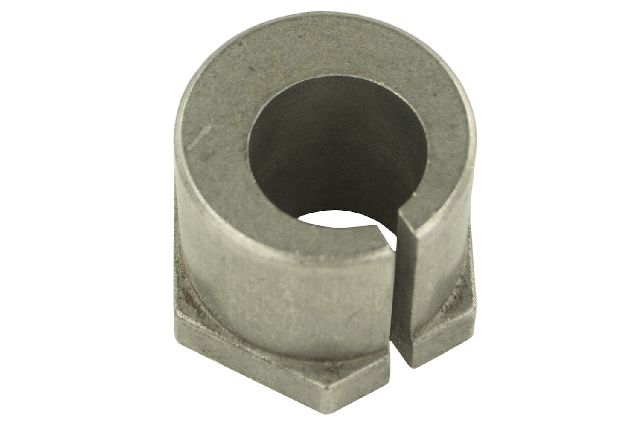
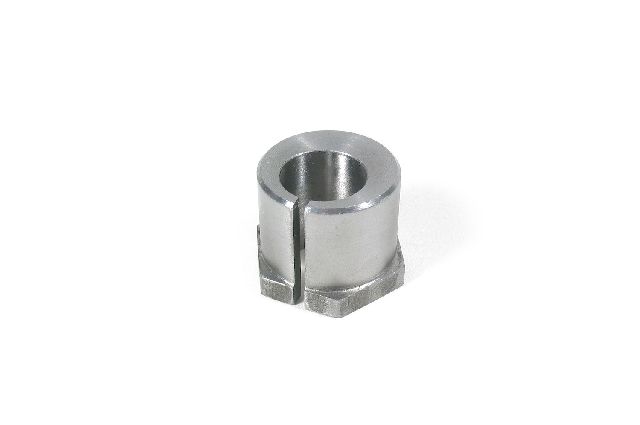
For a vehicle like the 1989-1990 Bronco II, aftermarket is the only real choice for adjustable bushings. The original factory parts were not designed to be adjustable. The most important factor when choosing a kit, especially for a lifted truck, is the amount of adjustment it offers. Look for kits that provide the highest range, such as +/- 2.5 to 4 degrees, to ensure an alignment shop has enough room to make corrections.
Brand Tiers
- Skyjacker: Known for suspension lift kits, Skyjacker's alignment products are designed to complement their lifts. These are a good choice if you have a lifted Bronco II and are looking for a solution specifically made for that scenario. They are generally considered a budget-friendly option in the off-road world.
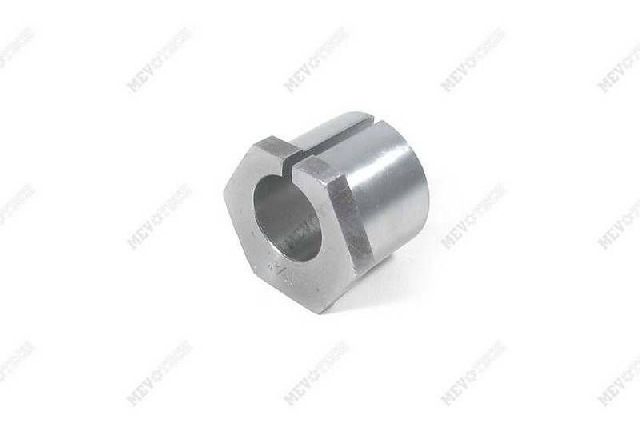
- Mevotech: Mevotech is a broad aftermarket supplier offering a range of parts. Their alignment kits are typically viewed as a standard or economy replacement option. They can work for stock-height vehicles with worn components or for trucks with mild lifts, but be sure to verify the adjustment range meets your needs.
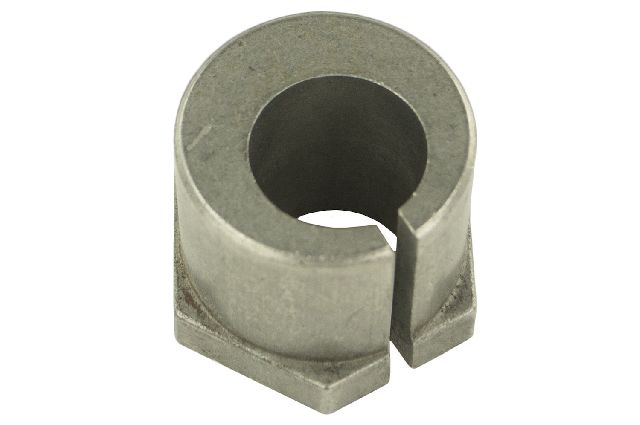
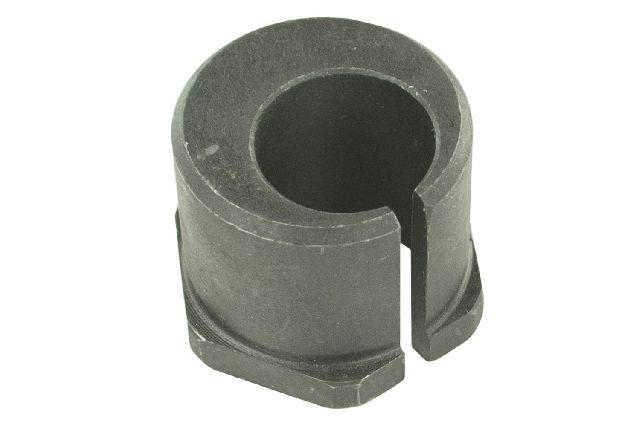
Pro Tip: When discussing options with your alignment shop, ask if they have a preferred brand. Some technicians find certain designs easier to adjust. The two-piece, eccentric bushing design is common and effective.
| Part Type | Price Range |
|---|---|
| New Aftermarket | $11.52 - $20.88 |
| New OEM (Non-Adjustable) | Generally not available or applicable |
Frequently Asked Questions
Do I need this kit if my Bronco II isn't lifted?
You might. Over time, springs can sag and other suspension components can wear out, changing the alignment. If an alignment shop tells you they cannot adjust your camber or caster enough to meet specifications, you will need to install one of these kits.
Can I install this kit myself?
While it is possible, it can be a very difficult job. The old bushings often seize inside the steering knuckle and can require special tools like a ball joint press or Pitman arm puller, a torch, and a lot of force to remove. If you are not equipped for this, it's best left to a professional. Crucially, a professional wheel alignment is always required immediately after installation.
What is the difference between caster and camber?
Imagine looking at your truck from the front. Camber is the top of the tire tilting in (negative) or out (positive). Now imagine looking from the side. Caster is the forward or backward tilt of the steering axis. Positive caster (tilted back) helps the steering wheel return to center after a turn.
Are there any recalls on the Bronco II for this issue?
No, there are no specific recalls or technical service bulletins (TSBs) for the 1989-1990 Ford Bronco II regarding caster or camber bushings. Alignment issues on lifted TTB suspensions are a well-known characteristic of the design, not a factory defect.
Technical Specifications
The key specification is the range of adjustment, measured in degrees (e.g., +/- 2.0° to +/- 4.0°). For lifted vehicles, a larger adjustment range is necessary. The part replaces the upper ball joint sleeve in the steering knuckle.
We Have This Part in Stock

The information in this article is provided for general reference and educational purposes only. Vehicle specifications, procedures, and part compatibility can vary by production date, trim level, and region. Always consult your vehicle's factory service manual and verify part numbers before purchasing or performing repairs. Safety-critical components such as airbags, seat belts, and braking systems should be installed by a qualified professional.
- Ford Bronco II: