

A Guide to Universal Joints for the 1989-1990 Pontiac 6000 AWD
Understanding the critical driveshaft U-joints for your rare, all-wheel-drive Pontiac 6000 STE or SE.
- These U-joints are ONLY for the rare 1989-1990 Pontiac 6000 AWD models.
- Address symptoms like clunking or vibration immediately to prevent catastrophic failure.
- For maximum durability and no maintenance, choose a premium sealed U-joint from a brand like SKF.
- To save on labor, always replace all universal joints on the driveshaft at the same time.
Is This The Right Part for Your Car?
AWD Models Only: These universal joints are only for the rare 1989-1990 Pontiac 6000 STE and SE models equipped with All-Wheel-Drive (AWD). Standard front-wheel-drive (FWD) models do not have a rear driveshaft and do not use these parts. Please verify your vehicle is an AWD model before purchasing.
Symptoms of a Failing Universal Joint
A worn-out U-joint will give you clear warning signs. Ignoring them can lead to a complete failure, where the driveshaft can detach from the car, causing a loss of control or major damage. Listen and feel for these symptoms:
- Clunking Noise: A distinct "clunk" or "ping" sound when you shift from Park into Drive or Reverse is a classic sign of a U-joint with excessive play.
- Vibrations: A vibration that you can feel through the floor of the car that increases with speed is a common symptom. It may start as a minor shimmy and get worse over time.
- Squeaking Noise: A rhythmic squeaking or chirping sound that matches the speed of your wheels (not the engine) often points to a dry, failing U-joint. The needle bearings inside have lost their lubrication.
Choosing the Right Aftermarket U-Joint
Since original GM parts for this car are extremely difficult to find, the aftermarket is your only realistic option. Quality can vary, so it's important to choose a reputable brand. The brands are generally separated into a few tiers based on quality and design.
Premium Brands: Moog & SKF
Moog and SKF are well-regarded in the repair community. They are often considered premium or "problem-solver" brands.
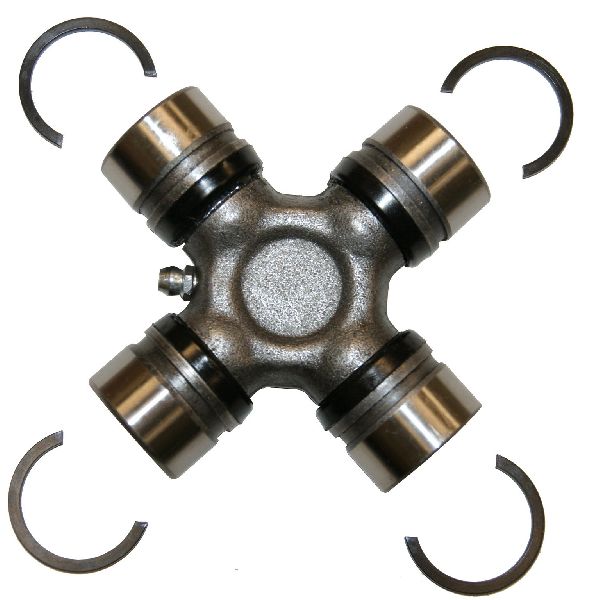
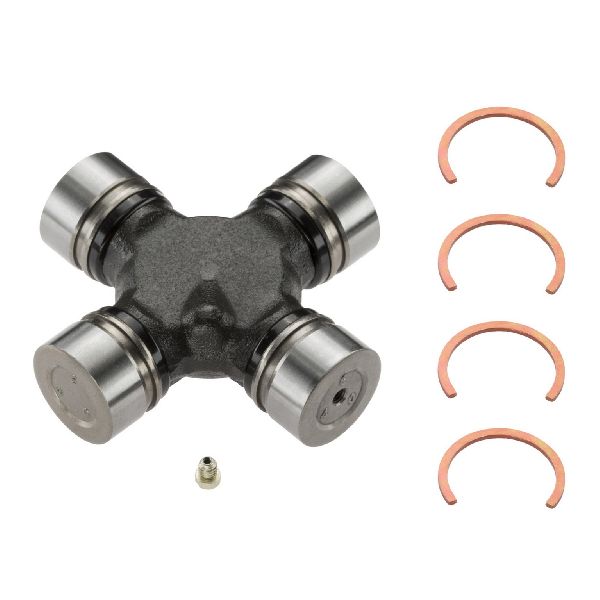
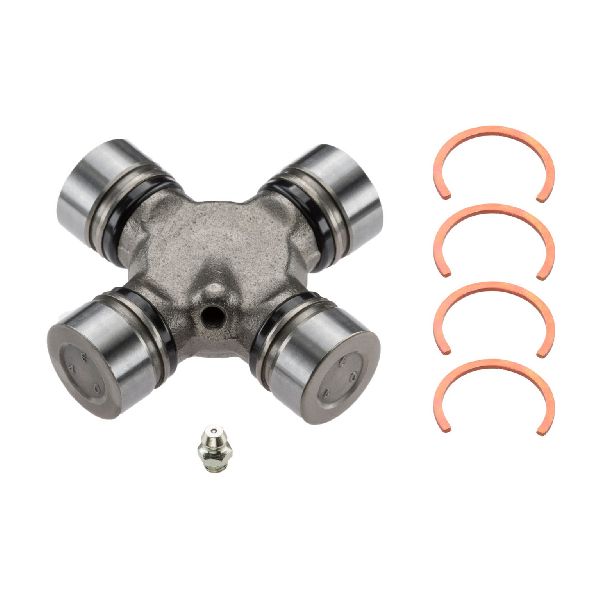
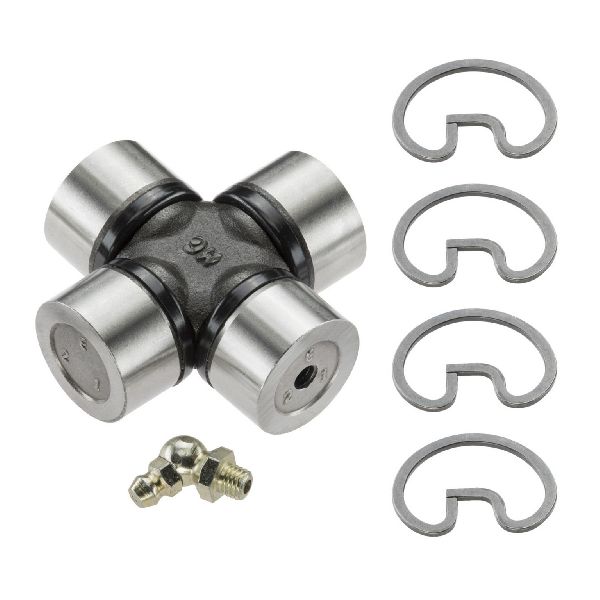
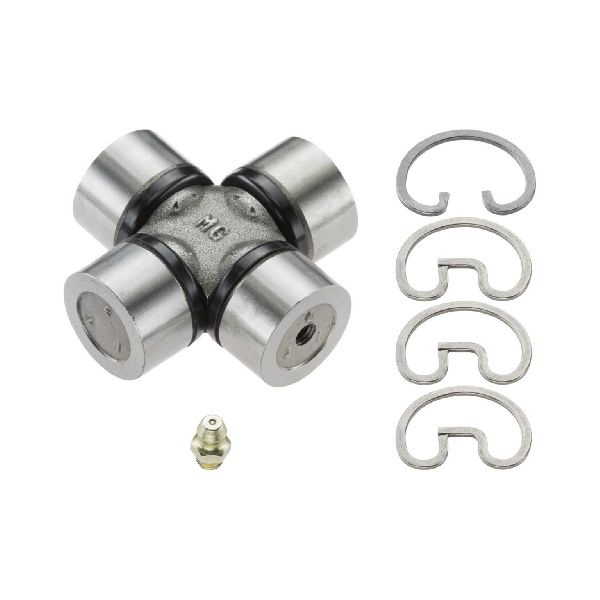
- Moog: Often features a grease fitting (zerk) that allows you to add fresh grease, potentially extending the part's life if maintained. Their "Super Strength" line is built to handle higher torque. Some mechanics note that Moog quality can be inconsistent, but they remain a popular choice.
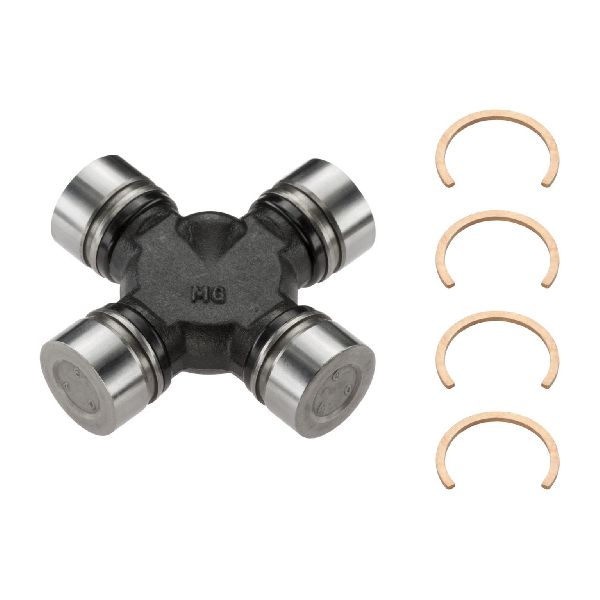
- SKF: Known for high-quality bearings and driveline components. Many professional technicians trust SKF for their durability. They often produce non-greasable joints, which many prefer because they are sealed from contaminants and require no maintenance, much like the original factory parts.
Standard / OE-Quality Brands: GMB
GMB is a Japanese manufacturer that produces a wide range of parts that meet or exceed original equipment (OE) specifications. They are a solid choice for a daily driver and offer a good balance of quality and price. Their U-joints are typically made from strong steel with a protective coating to resist corrosion. While some forum users have reported mixed experiences, GMB is generally seen as a reliable option.
Greaseable vs. Sealed U-Joints
The choice comes down to maintenance. A sealed (non-greasable) U-joint is installed and forgotten, just like the original part. A greaseable U-joint can be flushed with new grease to push out moisture and dirt, but you have to remember to do it. For a car that sees regular use, a quality sealed joint from a brand like SKF is often the most durable, worry-free option.
Anticipated Repair Costs
The cost to replace your U-joints involves the price of the parts and shop labor. Since the driveshaft must be removed to replace any U-joint, it is highly recommended to replace all of them at the same time to save on labor costs down the road.
| Item | Estimated Cost |
|---|---|
| Aftermarket Universal Joint (Single) | $18.55 - $43.00 |
| Shop Labor | $150 - $300 |
| Total Estimated Cost (Parts + Labor) | $170 - $385 |
Cost estimates are approximate and can vary based on your location and the specific repair shop.
Frequently Asked Questions
Can I replace a Pontiac 6000 U-joint myself?
It is possible for an experienced DIY mechanic. The job requires safely raising the vehicle, removing the driveshaft, and using a bench vise with large sockets or a hydraulic press to change the joints. Without the right tools, you can damage the driveshaft yoke. For most owners, this job is best left to a professional mechanic.
How many U-joints does my 6000 AWD have?
The rear driveshaft on the Pontiac 6000 AWD uses a double-cardan joint at one end, which contains two U-joints close together, and a single U-joint at the other end. You should plan on replacing all of them at once.
Will a U-joint from a different car fit?
No. U-joints are sized very specifically by the cap diameter and overall width. You must use a part that is listed as a direct fit for the 1989-1990 Pontiac 6000 AWD to ensure proper function and safety.
What happens if I don't replace a bad U-joint?
A failing U-joint will eventually break apart. When this happens at speed, the heavy steel driveshaft can detach, dig into the pavement, and cause the car to flip. It can also flail around, destroying your exhaust, fuel lines, and transmission housing. It is a critical safety issue that should be addressed immediately.
Technical Specifications
Application specific to the rear driveshaft on 1989-1990 Pontiac 6000 All-Wheel-Drive models. The driveshaft assembly utilizes a double-cardan joint.
We Have This Part in Stock

The information in this article is provided for general reference and educational purposes only. Vehicle specifications, procedures, and part compatibility can vary by production date, trim level, and region. Always consult your vehicle's factory service manual and verify part numbers before purchasing or performing repairs. Safety-critical components such as airbags, seat belts, and braking systems should be installed by a qualified professional.
- Pontiac 6000: