

Choosing the Right Spark Plugs for Your 1989-1991 Audi 200 Quattro
Keep your 20-valve turbo engine running strong by selecting the correct spark plugs.
- Stick with top-tier brands like NGK and Bosch, which are highly recommended by owners of these specific vehicles.
- Always verify the spark plug gap is 0.032 inches (0.8mm) before installation, even with pre-gapped plugs.
- Misfires under boost are a classic sign of worn spark plugs on the 20-valve turbo engine.
- While no spark plug-specific recalls exist, addressing misfires promptly prevents potential damage to other components like the catalytic converter.
Signs of Failing Spark Plugs
When spark plugs wear out, they can't create a strong, consistent spark. This leads to noticeable problems. You might experience a rough idle, engine hesitation or stumbling during acceleration, and a general loss of power. Misfires, which feel like a shudder or jerk from the engine, are a common symptom, especially under high boost when the engine needs the strongest spark. Other signs include reduced fuel economy and difficulty starting the engine.
Misfires Can Cause Damage
Consistently driving with a misfiring engine can allow unburned fuel to enter the exhaust system. This can damage the catalytic converter, leading to a much more expensive repair. It's best to address failing spark plugs promptly.
Choosing the Right Aftermarket Spark Plug
For a classic, high-performance engine like the Audi 200 Quattro's 20-valve turbo, choosing the right spark plug is more than just finding one that fits. The material, heat range, and brand all play a role in performance and engine health. Given the vehicle's age, aftermarket parts are the most common and accessible option.
Brand Tiers for Your Audi
While many brands are available, owner communities and mechanics for these specific vehicles strongly prefer German or Japanese brands that were often original equipment (OEM) suppliers for European cars.
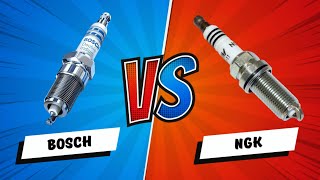
- Top Tier (Highly Recommended): NGK and Bosch are the go-to brands for most Audi owners. 🎬 Watch this comparison of NGK and Bosch spark plug performance. They are often the original equipment manufacturer and their plugs are engineered to meet the specific demands of German engines. Forum discussions among Audi 200 Quattro and S2 owners (which share a similar engine) consistently recommend NGK plugs for their reliability and performance, especially in tuned or high-boost applications.
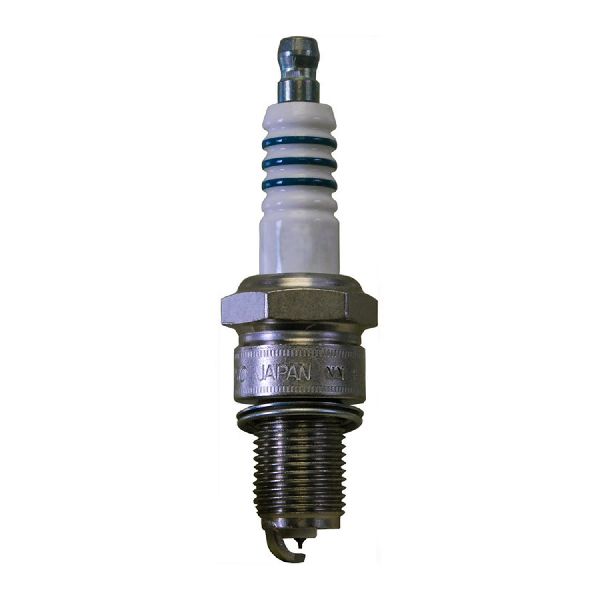
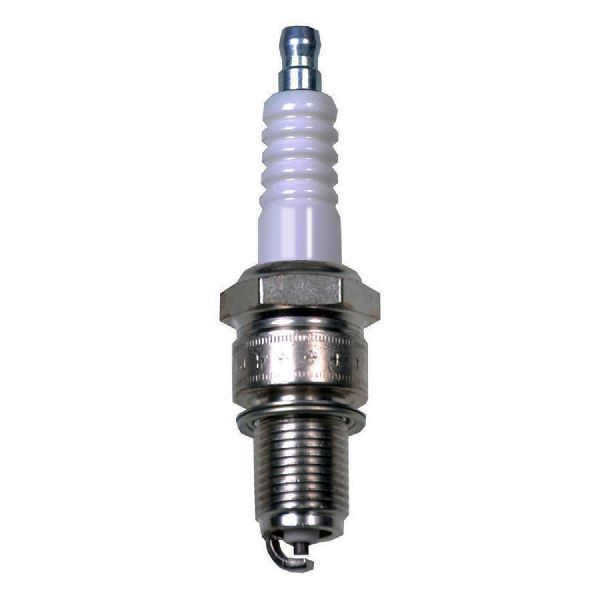
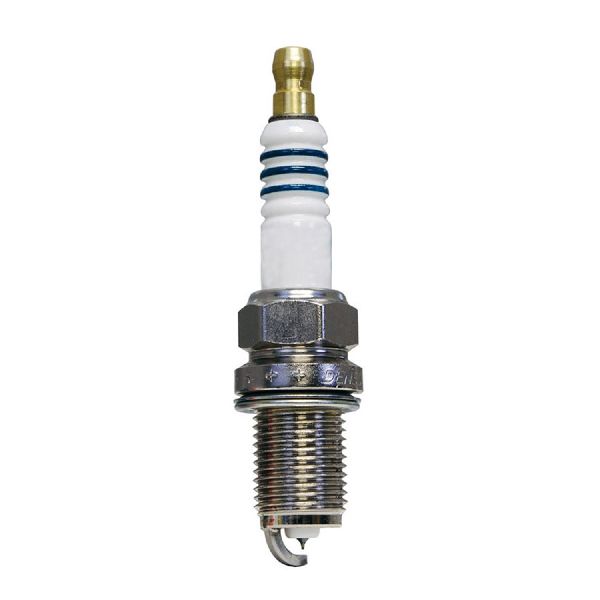
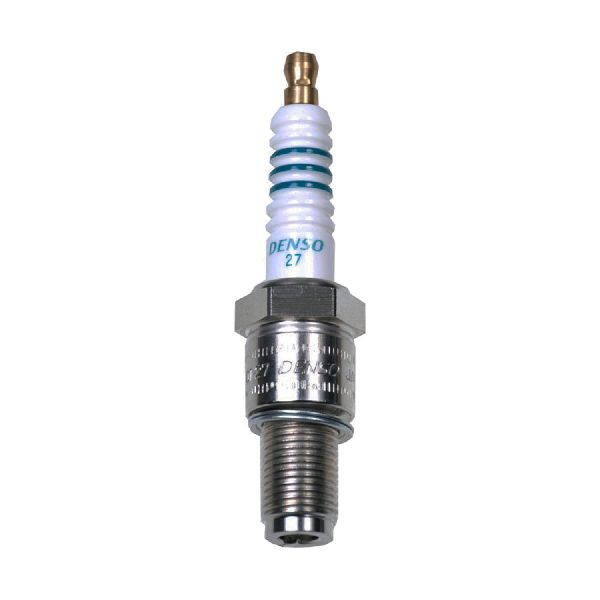
- Mid-Tier (Reliable Alternatives): Denso is another high-quality Japanese brand that produces excellent spark plugs, including iridium options that can offer a long service life.
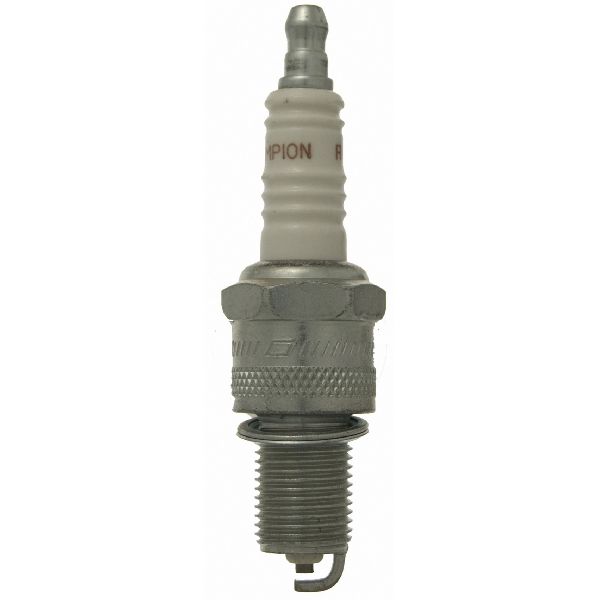
- Standard/Economy Tier: Brands like Champion and Autolite offer functional, budget-friendly options. While they will work, they may not offer the same longevity or performance under demanding conditions as the top-tier brands. ACDelco is a quality brand but is more commonly associated with GM vehicles.
Copper vs. Platinum vs. Iridium
The material of the spark plug's electrode affects its performance and lifespan.
- Copper: Offers the best conductivity but wears out the fastest. For a high-performance, turbocharged engine, copper plugs may need to be changed frequently, but some purists prefer them for their strong spark.
- Platinum/Double Platinum: A good middle ground, offering a much longer service life than copper with reliable performance. They are a popular upgrade from standard plugs.
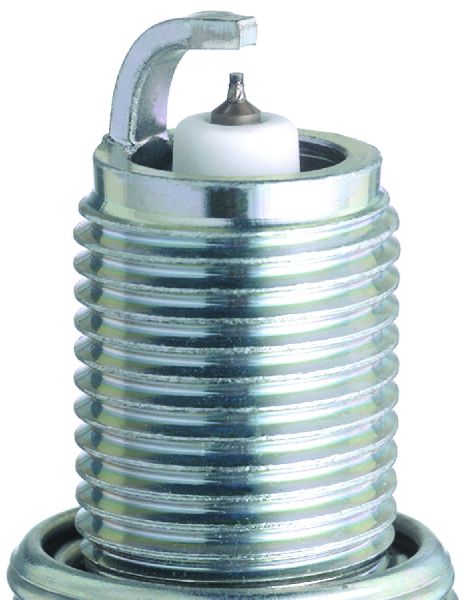
- Iridium: The most durable material, offering the longest life—often up to 100,000 miles in some applications. They maintain a stable spark over their lifespan and are a great choice for drivers who want a long-lasting, high-performance plug.
Check the Gap!
Even if plugs are advertised as "pre-gapped," you should always verify the gap with a feeler gauge or gapping tool before installation. The correct gap for the 1989-1991 Audi 200 Quattro is generally cited as 0.032 inches (0.8mm). An incorrect gap can lead to misfires and poor performance.
Known Issues, Recalls, and TSBs
No recalls or Technical Service Bulletins (TSBs) specific to spark plugs were found for the 1989-1991 Audi 200 Quattro. However, owner forums frequently discuss misfires under high boost, which are often traced back to worn spark plugs, incorrect plug gaps, or failing ignition wires. Using the correct, high-quality plugs is the first step in diagnosing these common issues.
Aftermarket Spark Plug Cost
| Plug Type | Typical Price Range (Per Plug) | Notes |
|---|---|---|
| Standard Copper/Nickel | $3.68 - $7.00 | Basic, reliable, shorter lifespan. |
| Platinum | $7.00 - $12.00 | Longer life than copper, good value. |
| Iridium | $10.00 - $21.22 | Longest lifespan, consistent performance. |
Frequently Asked Questions
How often should I change the spark plugs?
For this vehicle, a general recommendation is every 30,000 miles for standard copper or platinum plugs. If you install high-quality iridium plugs, you can often extend that interval, but given the age and turbocharged nature of the engine, checking them every 30,000 miles is a good practice.
Should I use OEM or aftermarket spark plugs?
For a vehicle of this age, high-quality aftermarket plugs from brands like NGK or Bosch are an excellent choice and are often identical to the original OEM parts. They offer great performance and are more readily available and affordable than dealer-sourced parts.
What is a spark plug's 'heat range'?
The heat range refers to how quickly the plug transfers heat away from its tip. "Colder" plugs are used in high-performance, turbocharged engines to prevent the plug tip from overheating and causing pre-ignition. It is critical to use the heat range specified for your engine. Using a plug that is too "hot" can lead to engine damage.
Do I need special tools for the job?
You will need a standard ratchet, a spark plug socket (which has a rubber insert to protect the plug's ceramic), and an extension. A torque wrench is highly recommended to tighten the plugs to the correct specification and avoid damaging the cylinder head. A spark plug gapping tool is also essential to ensure the gap is correct before installation.
Helpful Videos
Technical Specifications
OEM Part Numbers: 101000035HJ
Recommended Spark Plug Gap: 0.032 in (0.8 mm)
We Have This Part in Stock

The information in this article is provided for general reference and educational purposes only. Vehicle specifications, procedures, and part compatibility can vary by production date, trim level, and region. Always consult your vehicle's factory service manual and verify part numbers before purchasing or performing repairs. Safety-critical components such as airbags, seat belts, and braking systems should be installed by a qualified professional.
- Audi 200 Quattro:
- 🎬 Helpful Videos
- 🛍️ Shop This Part
- Signs of Failing Spark Plugs
- Misfires Can Cause Damage
- Choosing the Right Aftermarket Spark Plug
- Brand Tiers for Your Audi
- Copper vs. Platinum vs. Iridium
- Check the Gap!
- Known Issues, Recalls, and TSBs
- Aftermarket Spark Plug Cost
- Frequently Asked Questions
- 🎟️ Get 5% Off