

Engine Coolant Temperature Sensor Guide for 1989-1991 Chevrolet R3500
Fix poor fuel economy and rough running in your classic Chevy truck by understanding and replacing a faulty coolant sensor.
- A bad ECT sensor on your R3500 will almost always cause a rich fuel condition, leading to black smoke and poor MPG.
- This is a simple, inexpensive DIY repair that most owners can do in under 30 minutes with basic tools.
- Choose a quality aftermarket brand like Delphi, NGK, or Standard Motor Products for a reliable, long-lasting repair.
- Be sure you are replacing the two-wire sensor for the computer, not the single-wire sender for the dash gauge.
Is a faulty Engine Coolant Temperature Sensor causing problems?
On the 1989-1991 Chevrolet R3500, the Engine Coolant Temperature (ECT) sensor is a common failure point that can cause a surprising number of issues. Because these trucks use an early form of electronic fuel injection (TBI), they rely heavily on this one sensor for correct engine operation. When it fails, it often tells the computer the engine is permanently cold, leading to a rich fuel condition. This means the engine gets more fuel than it needs, causing a cascade of noticeable problems.
Symptoms of a Bad ECT Sensor
A failing ECT sensor can make you think you have a major engine problem, but it's often a simple fix. Here are the most common signs:
- Poor Fuel Economy: If the ECM thinks the engine is always cold, it will constantly inject extra fuel, causing your truck to use more gas than usual.
- Black Smoke from Exhaust: The excess fuel from a rich condition doesn't burn completely, resulting in black, sooty smoke coming from the tailpipe.
- Rough or High Idle: The engine may idle erratically or higher than normal as the computer struggles to find the right mixture.
- "Service Engine Soon" Light: These trucks have an OBD-I system. A bad ECT sensor will often trigger a code 14 (high temp/low resistance) or 15 (low temp/high resistance).
- Hard Starting: The engine may be difficult to start, especially when warm, because it's getting the wrong fuel mixture.
Two Different Sensors
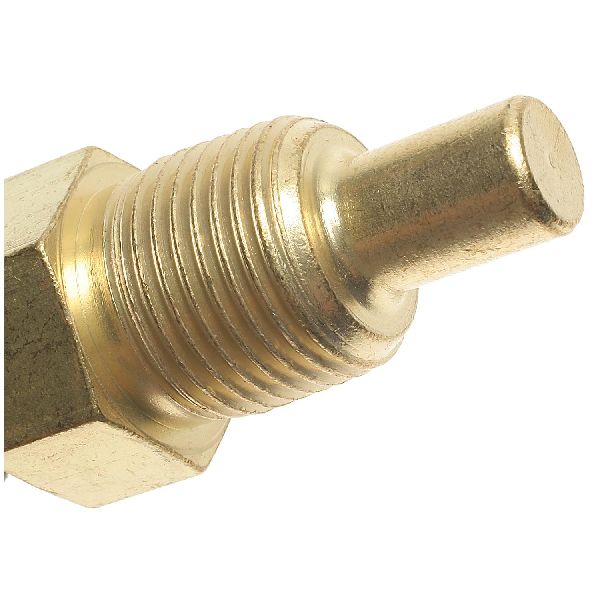
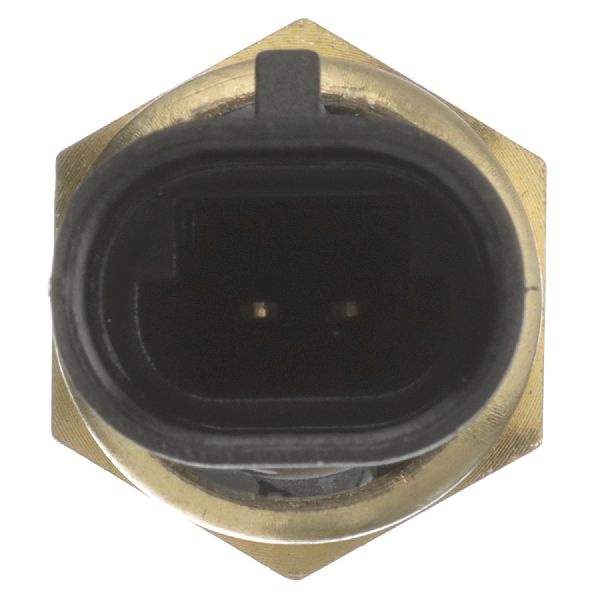
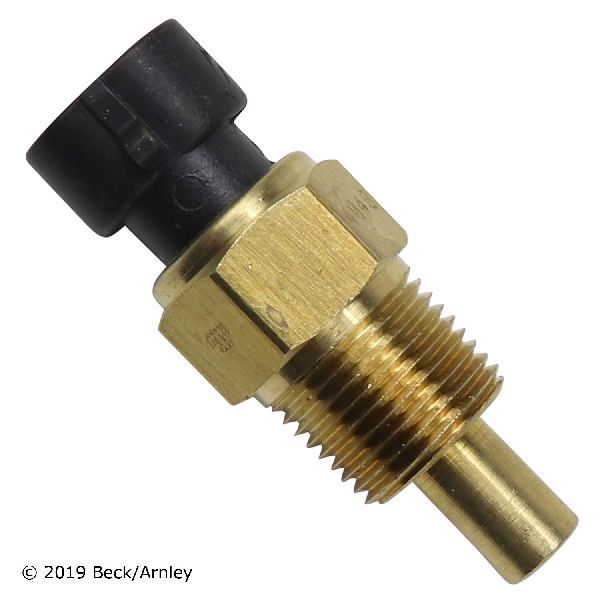
Your truck has two temperature sensors that look similar. The one for the computer (the ECT sensor) is usually located on the front of the intake manifold near the thermostat housing and has a two-wire connector. The other sensor is for the temperature gauge on your dashboard; it's typically on the driver's side cylinder head and has a single-wire connector. Make sure you are replacing the correct sensor for your problem.
Choosing the Right Aftermarket Sensor
For a vehicle of this age, a high-quality aftermarket sensor is a reliable and cost-effective choice. OEM parts can be difficult to find and are often unnecessary for a simple component like this. However, not all aftermarket brands are created equal. It's best to avoid the cheapest, no-name options, as they can be faulty out of the box or fail quickly.
Brand Quality Tiers
- Top Tier (OEM Equivalent): Brands like Delphi and NGK (NTK) are often original equipment suppliers for GM and are known for their quality and reliability. They are an excellent choice for a direct, dependable replacement.
- Trusted Aftermarket: Standard Motor Products (SMP) and Beck Arnley have a long-standing reputation for producing quality aftermarket parts that meet or exceed OEM specifications. They are a solid, reliable option.
- Value Tier: Brands like Four Seasons and Global Parts are also available. While they can be a good budget-friendly choice, quality can sometimes be inconsistent. For a critical sensor like the ECT, sticking with a top-tier or trusted brand is recommended for long-term peace of mind.
Pro Tip: When replacing the sensor, have the new one ready to install immediately after removing the old one. This will minimize coolant loss. Some coolant will spill, so be prepared with a drain pan and top off the coolant after the job is done.
Aftermarket Engine Coolant Temperature Sensor Cost (1989-1991 R3500)
| Part Type | Price Range |
|---|---|
| New Aftermarket ECT Sensor | $12.58 - $37.74 |
| Shop Labor | $50 - $100 |
Frequently Asked Questions
Where is the ECT sensor located on my R3500?
The ECT sensor for the computer is almost always located on the front of the intake manifold, near the thermostat housing. It will have a two-wire electrical connector.
Can I replace the ECT sensor myself?
Yes, this is a very straightforward job for a DIY mechanic. It typically requires only a deep socket (usually 19mm or 3/4") and a ratchet. The main challenge can be tight access depending on your engine accessories. You will need to partially drain or be prepared to quickly swap the sensor to minimize coolant loss.
Do I need to use thread sealant on the new sensor?
Most new sensors come with a pre-applied sealant on the threads. If your new sensor does not have this, it is a good idea to apply a small amount of Teflon tape or liquid thread sealant to prevent leaks.
Are there any recalls for this part?
There are no specific recalls on the Engine Coolant Temperature Sensor for the 1989-1991 Chevrolet R3500. Any issues with this part are due to age and normal wear.
Technical Specifications
OEM Part Numbers: 15326386 12146312
Thread Size: 3/8" - 18 NPTF. Connector: 2-Pin Female.
We Have This Part in Stock



The information in this article is provided for general reference and educational purposes only. Vehicle specifications, procedures, and part compatibility can vary by production date, trim level, and region. Always consult your vehicle's factory service manual and verify part numbers before purchasing or performing repairs. Safety-critical components such as airbags, seat belts, and braking systems should be installed by a qualified professional.
- Chevrolet R3500:
- 🛍️ Shop This Part
- Is a faulty Engine Coolant Temperature Sensor causing problems?
- Symptoms of a Bad ECT Sensor
- Two Different Sensors
- Choosing the Right Aftermarket Sensor
- Brand Quality Tiers
- Aftermarket Engine Coolant Temperature Sensor Cost (1989-1991 R3500)
- Frequently Asked Questions
- 🎟️ Get 5% Off