

Chevrolet V3500 Engine Coolant Temperature Sensor Guide: 1989-1991
Fix poor running and bad fuel economy on your TBI-equipped Chevy V3500 by replacing a faulty coolant sensor.
- This sensor is critical for the TBI fuel injection system, controlling the air/fuel mixture.
- Symptoms of failure often mimic carburetor problems, like black smoke and poor fuel economy.
- Ensure you are replacing the two-wire ECM sensor, not the one-wire gauge sender.
- Replacement is simple, requires basic tools, and can be done in under 30 minutes with minimal coolant loss.
Is a bad Engine Coolant Temperature Sensor causing your V3500 problems?
For the 1989-1991 Chevrolet V3500, with its workhorse Throttle Body Injection (TBI) engine, the Engine Coolant Temperature (ECT) sensor is more than just a part for the temperature gauge. It's a key input for the engine computer (ECM). A failing sensor can make your reliable one-ton truck run poorly, use too much gas, or even fail to start. Because these trucks are from the OBD-I era, diagnosing a bad sensor can sometimes be tricky, but the symptoms are often a clear giveaway.
Two Different Sensors
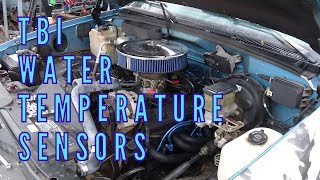
Be aware that many GM trucks of this era have two temperature sensors. One is a two-wire sensor for the ECM (this is the part we are discussing 🎬 Watch this video to see the difference between both sensors.), and the other is a one-wire sending unit for the temperature gauge on your dashboard. If your gauge is acting up but the truck runs fine, you likely need the sender, not the sensor. If the truck runs poorly but the gauge seems to work, the ECT sensor is the likely culprit.
Symptoms of a Failing ECT Sensor
- Poor Fuel Economy: If the sensor incorrectly tells the ECM the engine is always cold, the computer will continuously command a rich fuel mixture, drastically reducing your MPG.
- Black Smoke from Exhaust: This is a direct result of an overly rich fuel mixture. The engine gets more fuel than it can burn, and the unburnt fuel goes out the tailpipe as black smoke.
- Hard Starting: The engine may be difficult to start, either when it's cold or after it has been warmed up and shut off for a short time.
- Rough Idle and Stalling: An incorrect temperature reading can cause the ECM to set the wrong idle speed and fuel mixture, leading to a rough, stumbling idle or stalling.
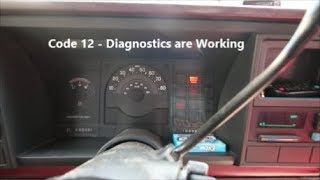
- Check Engine Light: A completely failed sensor or one with erratic readings can trigger a Check Engine Light and set a diagnostic trouble code (DTC), often codes 14 or 15 on these OBD-I systems. 🎬 See how to read OBD-I codes and replace the sensor.
Choosing the Right Aftermarket ECT Sensor
For a classic truck like the '89-'91 V3500, the original OEM part is likely discontinued or hard to find. Aftermarket parts are readily available and offer a good balance of quality and value. The key is choosing a reputable brand.
| Tier | Brands | Notes |
|---|---|---|
| Premium Aftermarket | Delphi, NGK (NTK), Standard Motor Products (SMP) | These brands are often original equipment manufacturers for many car companies and are known for their quality, reliability, and proper fitment. Delphi and NGK (under their NTK sensor brand) have a strong reputation for sensor technology. Standard Motor Products is a long-standing, trusted name in the aftermarket. |
| Standard Aftermarket | Beck Arnley, Hella, Holstein, Four Seasons | These are solid, reliable brands that offer good quality parts. They are a dependable choice for a daily driver or work truck and provide excellent value. Beck/Arnley is known for sourcing parts that match OE form and function. |
| Economy | Motorad, True Tech | These brands provide a budget-friendly option. While they can get your truck back on the road, their long-term durability and consistency may not match that of the premium or standard tiers. They are a viable choice for a budget-conscious repair. |
Pro Tip: Check the Connector
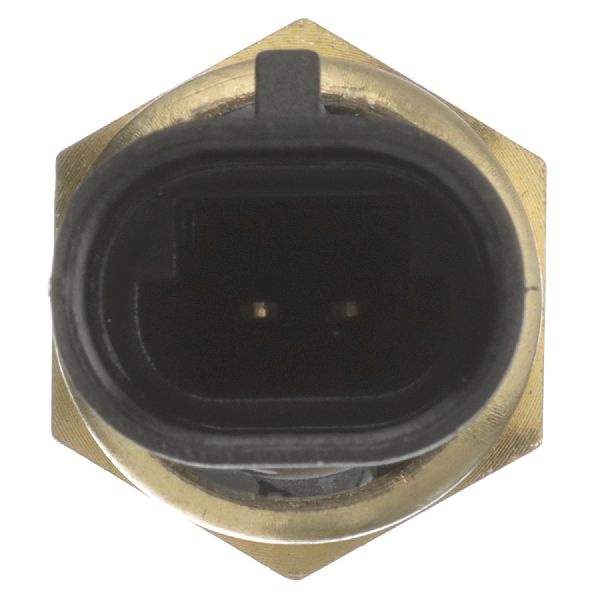
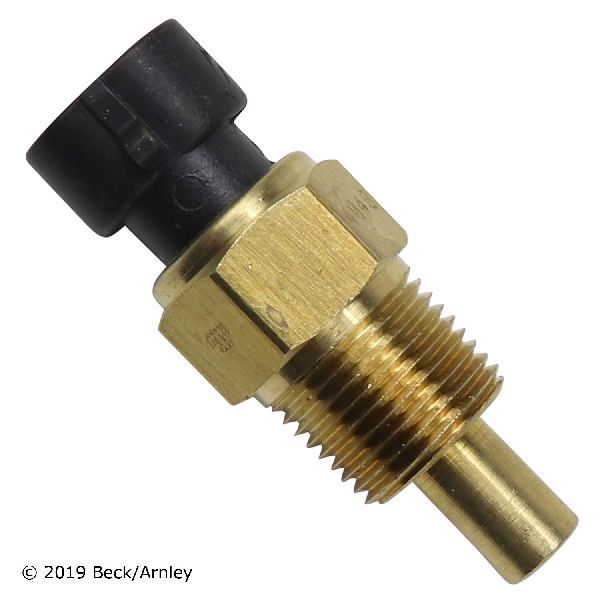
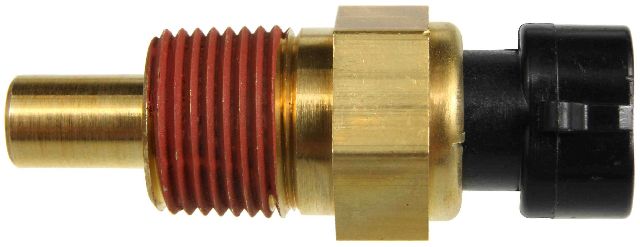
Before ordering, visually inspect your truck's ECT sensor connector. It should be a black, oval-shaped plug with two pins inside. Also, check the old sensor itself. The new part should look identical. Some replacement sensors come with thread sealant already applied, while others may require you to apply it.
Cost to Replace the ECT Sensor on a 1989-1991 V3500
Replacing the ECT sensor is one of the more affordable repairs you can perform on your truck.
| Item | Cost Range |
|---|---|
| New Aftermarket Part | $12.58 - $37.74 |
| Shop Labor | $60 - $120 |
| DIY Total | $12.58 - $37.74 |
| Shop Total | $72.58 - $157.74 |
Frequently Asked Questions
Where is the ECT sensor located on the 1989-1991 V3500?
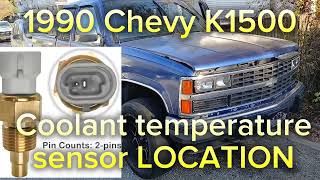
The ECT sensor for the computer is typically located on the front of the intake manifold, near the thermostat housing. It will have a two-wire electrical connector. On some V8 engines, it can also be found on the side of the cylinder head, between the spark plugs. Always confirm the location on your specific engine (5.7L or 7.4L).
Is this a difficult part to replace myself?
No, this is a very DIY-friendly job. It usually requires only basic hand tools, like a deep socket and ratchet. The main steps are to let the engine cool completely, disconnect the battery, unplug the sensor, and unscrew it. Have the new sensor ready to screw in quickly to minimize coolant loss. The job can typically be done in under 30 minutes.
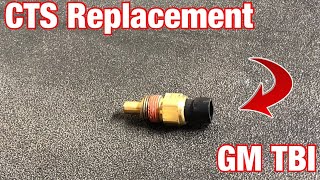
🎬 Follow this step-by-step walkthrough for replacing a GM TBI sensor.Do I need to drain the coolant to replace the sensor?
You don't have to drain the entire system, but be prepared for some coolant to spill out when you remove the old sensor. If you are quick with swapping the old sensor for the new one, coolant loss will be minimal. It's a good idea to have a rag handy and to top off the coolant level after you are finished.
Are there any recalls for this part?
There are no specific recalls found for the engine coolant temperature sensor on the 1989-1991 Chevrolet V3500. Searches on the NHTSA database did not show any recalls related to this component for this vehicle range.
Helpful Videos

Technical Specifications
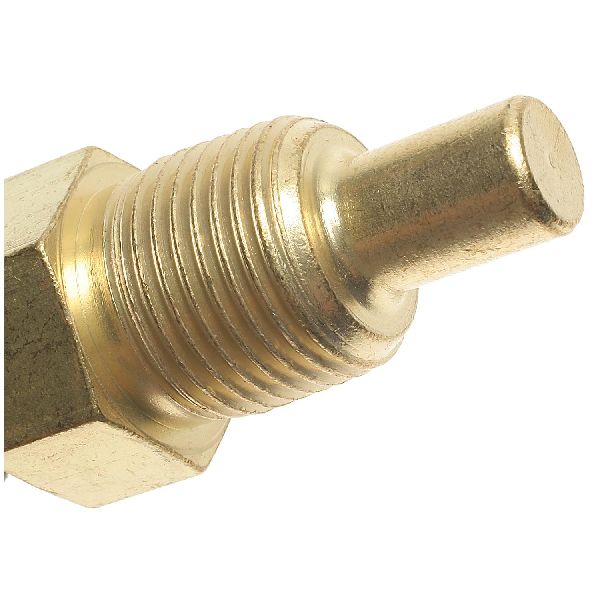
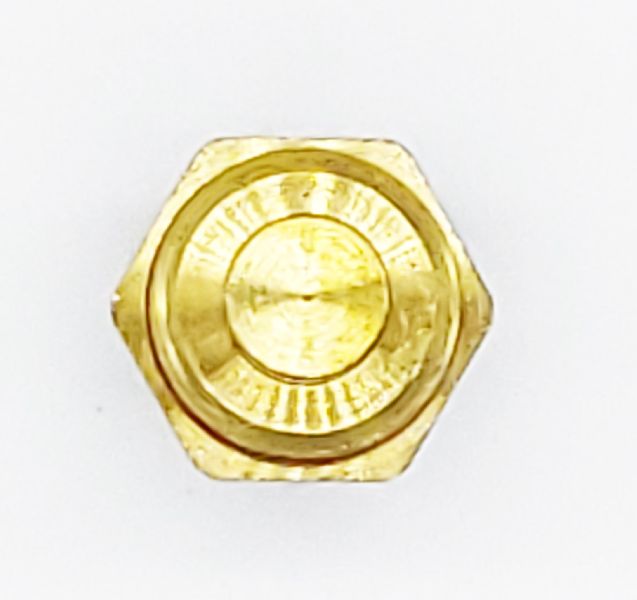
The sensor for the ECM has a two-pin, oval-shaped electrical connector. The thread size is typically 3/8" - 18 NPTF. It functions as a thermistor, meaning its electrical resistance changes with temperature.
We Have This Part in Stock


The information in this article is provided for general reference and educational purposes only. Vehicle specifications, procedures, and part compatibility can vary by production date, trim level, and region. Always consult your vehicle's factory service manual and verify part numbers before purchasing or performing repairs. Safety-critical components such as airbags, seat belts, and braking systems should be installed by a qualified professional.
- Chevrolet V3500:
- 🎬 Helpful Videos
- 🛍️ Shop This Part
- Is a bad Engine Coolant Temperature Sensor causing your V3500 problems?
- Two Different Sensors
- Symptoms of a Failing ECT Sensor
- Choosing the Right Aftermarket ECT Sensor
- Pro Tip: Check the Connector
- Cost to Replace the ECT Sensor on a 1989-1991 V3500
- Frequently Asked Questions
- 🎟️ Get 5% Off