

A/C Expansion Valve Guide for the 1989-1991 GMC Tracker
If your Tracker's A/C is blowing warm or acting strange, a faulty expansion valve could be the culprit.
- Replacement is not a DIY job; it legally requires professional refrigerant recovery and recharging equipment.
- Common symptoms include warm or inconsistent A/C, frost on A/C lines, and the compressor running non-stop.
- Always replace the A/C receiver/drier at the same time as the expansion valve to prevent future failures.
- No recalls or TSBs have been issued by the NHTSA for the A/C system on the 1989-1991 GMC Tracker.
Symptoms of a Failing A/C Expansion Valve
When the expansion valve in your 1989-1991 GMC Tracker starts to fail, it disrupts the entire A/C system. The valve can get stuck open and flood the system, or get stuck closed and starve it of refrigerant. Look for these common signs:
- Warm or Inconsistent Air: This is the most common symptom. The air from your vents may be warm, or it might switch between cool and warm. The A/C might work on mild days but fail to keep up in high heat.
- Frost on A/C Parts: If the valve is stuck open, it can allow too much refrigerant into the evaporator, causing it to freeze. You might see frost or ice on the A/C lines or components under the hood.
- Compressor Runs Constantly: A bad valve can send incorrect pressure signals, causing the A/C compressor to run all the time instead of cycling on and off. This can cause further damage to the compressor.
- Hissing Sounds: Unusual hissing noises from the dash area can indicate a pressure imbalance caused by a faulty valve.
Refrigerant Handling Warning
Replacing the A/C expansion valve is not a DIY job for most home mechanics. Federal law requires any existing refrigerant in the system to be recovered by a certified technician using special equipment before the system is opened. Releasing refrigerant into the atmosphere is illegal. This repair always requires a professional evacuation and recharge of the A/C system.
Choosing the Right Aftermarket Expansion Valve
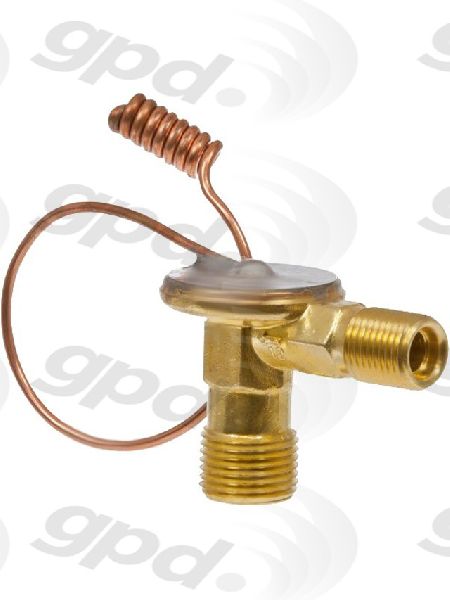
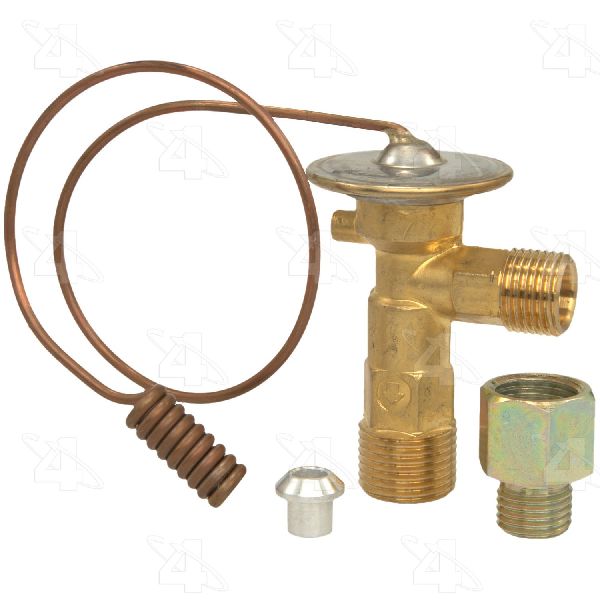
For a vehicle like the 1989-1991 Tracker, original equipment (OEM) parts are very difficult to find. Aftermarket expansion valves are affordable, widely available, and are a suitable choice for this repair. The two main brands you will encounter are Four Seasons and Global Parts Distributors (GPD).
- Four Seasons: This brand is a well-known budget-friendly option. Reviews are often mixed; some users report parts failing prematurely, while others have had success for many years. For a simple, low-cost component on an older vehicle, it can be a viable choice if budget is the primary concern.
- Global Parts Distributors (GPD): GPD is a major aftermarket A/C parts supplier that positions itself as a quality alternative to OEM. User reviews are generally more consistent and positive. GPD is a solid choice for owners looking for a reliable, standard replacement part.
For a non-electronic part like the expansion valve, both brands are generally considered acceptable for this vehicle. The quality difference may be minimal, so the choice often comes down to price and availability.
Pro Tip: Replace the Receiver/Drier
Anytime the A/C system is opened to the atmosphere, it is critical to also replace the receiver/drier (also called an accumulator). This component absorbs moisture that can contaminate the system and destroy new parts. Failing to replace it can void the warranty on other A/C components and lead to a repeat failure.
Cost to Replace the A/C Expansion Valve
| Part Type | Estimated Cost |
|---|---|
| New Aftermarket Part | $22 - $34 |
| Shop Labor | $230 - $400 |
| Total Estimated Cost | $252 - $434 |
Frequently Asked Questions (FAQ)
Can I replace the GMC Tracker expansion valve myself?
It is not recommended. The valve is located inside the dashboard and requires significant disassembly to access. More importantly, the job legally requires specialized equipment to recover and recharge the A/C system's refrigerant. This repair should be left to a qualified shop.
Does my 1990 Tracker use R12 or R134a refrigerant?
Your 1989-1991 Tracker originally came with R12 refrigerant. However, after 30+ years, many have been converted to the newer R134a standard. Most modern aftermarket parts use seals (like green HNBR rubber) that are compatible with both. A professional shop can identify which refrigerant your system uses.
Were there any recalls on the Tracker's A/C system?
No. A search of the National Highway Traffic Safety Administration (NHTSA) database shows no recalls or technical service bulletins (TSBs) related to the A/C expansion valve or other A/C components for the 1989-1991 GMC Tracker.
Should I replace other A/C parts at the same time?
Yes. You must replace the receiver/drier anytime the system is opened. The shop should also inspect the A/C compressor and hoses for leaks or damage, as a failing expansion valve can sometimes be caused by debris from a failing compressor.
Technical Specifications
This vehicle uses a block-type, internally equalized thermal expansion valve (TXV).
We Have This Part in Stock

The information in this article is provided for general reference and educational purposes only. Vehicle specifications, procedures, and part compatibility can vary by production date, trim level, and region. Always consult your vehicle's factory service manual and verify part numbers before purchasing or performing repairs. Safety-critical components such as airbags, seat belts, and braking systems should be installed by a qualified professional.
- GMC Tracker: