

A Guide to Replacing the Alternator on Your 1989-1991 GMC Tracker
Keep your classic Tracker running strong by understanding its charging system and choosing the right new alternator.
- Before replacing the alternator, always check for simpler issues like loose battery cables, bad grounds, or a blown main fuse.
- For this vehicle, a new aftermarket alternator from a reputable brand offers excellent value and reliability.
- The standard 55-amp alternator is sufficient unless you have added heavy-duty electrical accessories.
- The replacement is a straightforward DIY job for most home mechanics, typically taking under two hours.
Is Your GMC Tracker Alternator Failing?
The alternator on an early GMC Tracker is a relatively simple but critical component. Given the age of these vehicles, alternator failure is a common issue. When it starts to fail, it will give you several warning signs. Ignoring them can leave you stranded once the battery's charge is completely depleted.
Key Failure Symptoms:
- Dimming Lights: Headlights and dashboard lights that flicker, are dimmer than usual, or brighten as you rev the engine are a classic sign of a weak alternator.
- Battery Warning Light: A battery-shaped warning light on your dashboard indicates a problem with the charging system.
- Weak or Dead Battery: If your battery dies repeatedly, the alternator is likely not recharging it properly. You might be able to jump-start the vehicle, but it will die again after a short time.
- Whining or Grinding Noises: A high-pitched whining or grinding sound from the engine bay can indicate a bad bearing inside the alternator. This sound may change with engine RPM.
Pro Tip: Check the Basics First
Before you replace the alternator, check the simple things. Forum users for the Tracker and its sibling, the Geo Tracker, often report that charging problems can be caused by a loose or corroded battery terminal, a bad ground wire, or a blown main fuse for the alternator. Always ensure the serpentine belt is tight and in good condition, as a loose belt can't spin the alternator pulley effectively.
Choosing the Right NEW Aftermarket Alternator
For a 1989-1991 GMC Tracker, finding a brand-new OEM (Original Equipment Manufacturer) part from GM is unlikely and would be very expensive. New aftermarket alternators provide the best combination of modern reliability and value for these vehicles. They are built with 100% new components, unlike remanufactured units which may reuse some old parts. Here's a look at the brands available:
- Premium Brands (Remy, WAI Global): These are well-known global manufacturers. WAI Global is noted for sometimes including a test sheet showing the unit's output, and they supply parts for a wide range of vehicles. Remy has a long history tied to GM's original Delco-Remy division and is a major supplier for both new and remanufactured parts. While quality can vary with any brand, these are generally considered reliable choices.
- Standard/Economy Brands (BBB Industries, MPA): BBB Industries is a massive remanufacturer that also produces new parts, supplying major auto parts stores. MPA (Motorcar Parts of America) is another large North American supplier that owns the Quality-Built brand, known for its rigorous testing. These brands offer a cost-effective solution that typically meets or exceeds original specifications.
For a vehicle like the Tracker with a simple electrical system, any of these new aftermarket brands will be a suitable replacement. The standard OEM output is 55 amps, which is sufficient for stock vehicles.
Cost of Replacing a GMC Tracker Alternator
Here is a general cost breakdown. Your final cost will depend on the brand you choose and local labor rates.
| Part/Service | Estimated Cost |
|---|---|
| New Aftermarket Alternator | $150 - $229 |
| Shop Labor | $100 - $200 |
| Total Professional Replacement | $250 - $429 |
Frequently Asked Questions (FAQ)
Is it difficult to replace the alternator on a 1989-1991 GMC Tracker?
No, it is considered a relatively easy DIY job for someone with basic mechanical skills and tools. It typically takes 1-2 hours. The alternator is usually accessible from the top of the engine bay. The process involves disconnecting the battery, loosening the belt tensioner, removing the belt, disconnecting the electrical connectors, and unbolting the alternator. Some owners find removing the charcoal canister provides better access.
Do I need a high-output alternator?
For a stock GMC Tracker, the standard 55-amp alternator is perfectly adequate. You would only need a high-output alternator (e.g., 120 amps) if you have added significant electrical accessories like a powerful stereo system with amplifiers, a winch, or extensive off-road lighting.
Is a Geo Tracker or Suzuki Sidekick alternator the same?
Yes, for the 1989-1991 model years, the GMC Tracker, Geo Tracker, and Suzuki Sidekick with the 1.6L engine are mechanically identical. Parts like the alternator are interchangeable across these models.
Should I replace the battery at the same time as the alternator?
It's a good idea to have your battery tested. A failing alternator can't properly charge a battery, and a battery that can no longer hold a charge will put extra strain on a new alternator. If the battery is more than 3-4 years old or fails a load test, you should replace it.
Technical Specifications
OEM Part Numbers: 335-1214
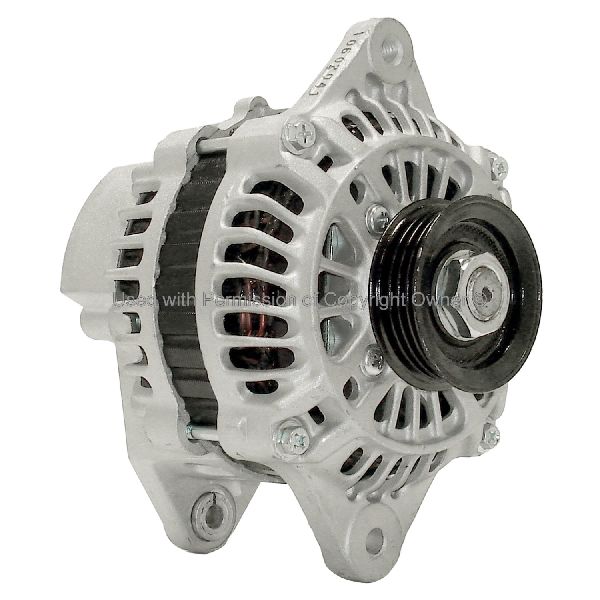
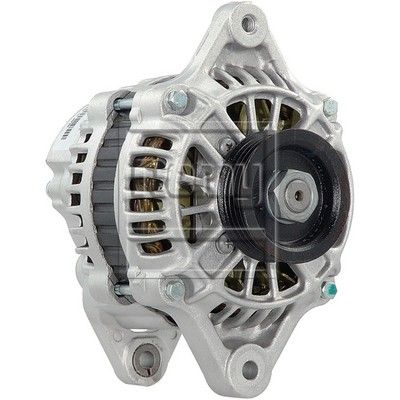
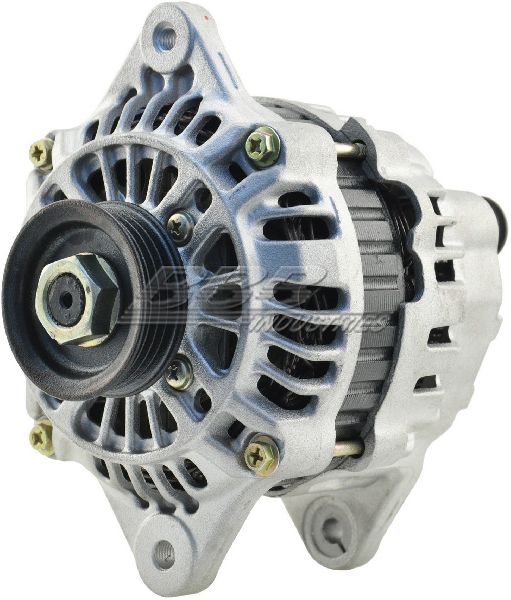
The standard alternator for the 1989-1991 GMC Tracker is a 12-volt unit with a 55-amp output, clockwise rotation, and a 4-groove pulley.
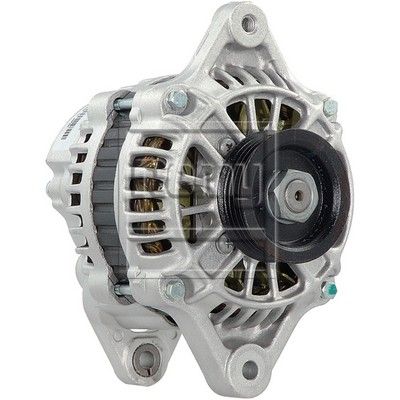
We Have This Part in Stock

The information in this article is provided for general reference and educational purposes only. Vehicle specifications, procedures, and part compatibility can vary by production date, trim level, and region. Always consult your vehicle's factory service manual and verify part numbers before purchasing or performing repairs. Safety-critical components such as airbags, seat belts, and braking systems should be installed by a qualified professional.
- GMC Tracker: