

Guide to the Engine Coolant Temperature Sensor for 1989-1991 GMC Tracker
Fix poor performance and incorrect gauge readings on your Tracker by understanding this critical engine sensor.
- Confirm if your Tracker uses one sensor for everything or two separate units for the ECU and the gauge before ordering.
- Symptoms like rough idle, poor MPG, and a Check Engine Light (Code 15) strongly point to a failing ECT sensor.
- Replacement is simple, requiring basic tools, and can be done in under 30 minutes, making it a great DIY task.
- Reputable aftermarket brands like NGK or Standard Ignition are reliable and cost-effective choices for this part.
Signs of a Failing Coolant Temperature Sensor
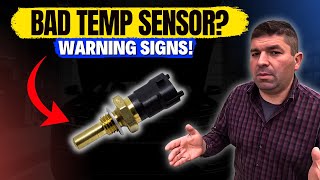
A bad ECT sensor can cause a range of problems, from annoying to serious. Because this sensor influences fuel delivery and engine management, a failure can mimic other issues. 🎬 Watch this guide on common signs of a bad sensor. Be aware that on these early models, there may be two separate sending units: one for the ECU and one for the temperature gauge on your dashboard. A failure of one does not mean the other is bad.
- Check Engine Light: On these pre-OBDII vehicles, a failure can trigger the "Check Engine" light. A common fault code is Code 15, which points to a problem in the coolant sensor circuit.
- Poor Fuel Economy: If the sensor incorrectly tells the ECU the engine is always cold, the computer will continuously run a rich fuel mixture, wasting gas.
- Rough Idle or Stalling: An incorrect temperature reading can lead to the wrong fuel mixture, causing the engine to idle poorly or even stall, especially once it has warmed up.
- Black Smoke from Exhaust: A consistently rich fuel mixture can result in black, sooty smoke coming from the tailpipe, which is unburnt fuel.
- Hard Starting: If the sensor is faulty, the ECU might not provide the correct fuel mixture needed for the engine to start easily, whether it's hot or cold.
- Inaccurate Temperature Gauge: If the sensor that feeds the dashboard gauge fails, it may read cold all the time, hot all the time, or fluctuate wildly.
Choosing the Right Aftermarket Sensor
For a vehicle like the 1989-1991 GMC Tracker, aftermarket parts are the most common and accessible option. OEM parts may be difficult to find. The quality of aftermarket sensors can vary, but many reputable brands produce reliable replacements.
When shopping, you'll find brands like NGK, Standard Ignition (SMP), and Four Seasons. These are well-established companies in the aftermarket industry. Brands like Facet and Vemo are also common. While specific owner reviews for these brands on a 1989-1991 Tracker are scarce, general consensus in forums suggests that for simple sensors like the ECT, a part from a recognized brand is usually a safe and reliable choice. The most critical factor is ensuring the part has the correct connector and thread pitch for your vehicle.
Aftermarket Brand Tiers (General Reputation)
| Tier | Brands | General Quality Assessment |
|---|---|---|
| Tier 1 (OEM Equivalents & Trusted Names) | NGK, Standard Ignition (SMP), Four Seasons | Often have a strong reputation for reliability and fit, sometimes manufacturing the original parts. A dependable choice. |
| Tier 2 (Standard Aftermarket) | Facet, Motorad, URO Parts, Vemo, Global Parts | Generally considered reliable for common repairs. Offer good value and are widely available. |
| Tier 3 (Value Brands) | True Tech | Budget-friendly options that can be a good fit for older vehicles or less critical applications. Quality can be inconsistent. |
Known Issues, Recalls, or TSBs
Searches for official recalls or Technical Service Bulletins (TSBs) from GMC or NHTSA specifically for the engine coolant temperature sensor on the 1989-1991 GMC Tracker did not yield any results. This is common for vehicles of this age, as recall data often focuses on newer models. Any issues you encounter are likely due to normal component aging rather than a specific manufacturing defect.
Frequently Asked Questions (FAQ)
Where is the coolant temperature sensor located on a 1989-1991 GMC Tracker?
The engine coolant temperature sensor is typically screwed into the engine block or thermostat housing. On the 1.6L engine found in these Trackers, it is often located near the water filler neck or between the first and third spark plugs on the side of the engine. There may be two sensors in this area; one for the computer and a separate one for the dashboard gauge.
Can I replace this sensor myself?
Yes, this is a very DIY-friendly job. The sensor is usually easy to access and requires basic hand tools, like a deep socket and ratchet. The process involves letting the engine cool completely, partially draining the coolant or being prepared to quickly swap the old sensor for the new one to minimize coolant loss, unplugging the electrical connector, and unscrewing the sensor. The entire job can typically be done in under 30 minutes.
🎬 See how to replace a coolant sensor on GM engines.What happens if I ignore a bad ECT sensor?
Ignoring a faulty ECT sensor can lead to persistent poor fuel economy, increased engine emissions, and potential long-term damage to your catalytic converter from running too rich. It can also cause frustrating drivability problems like stalling and hard starting. If the sensor fails to report an overheating condition, you could risk severe engine damage.
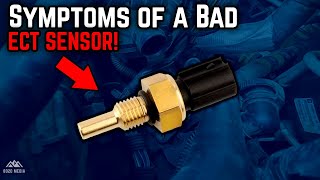
🎬 Learn more about ECT symptoms and typical replacement costs.Is the sensor for the gauge the same as the sensor for the engine computer?
On many older vehicles, including this generation of Tracker, they are often two separate parts. One sensor, typically with a two-wire connector, sends information to the engine computer. The other, often a one-wire sender, operates the temperature gauge on the instrument cluster. It is important to identify which one has failed and order the correct part.
Helpful Videos

Technical Specifications
OEM Part Numbers: 3485050A00 3485082000 3485082001 3485082002 96060399 91138061
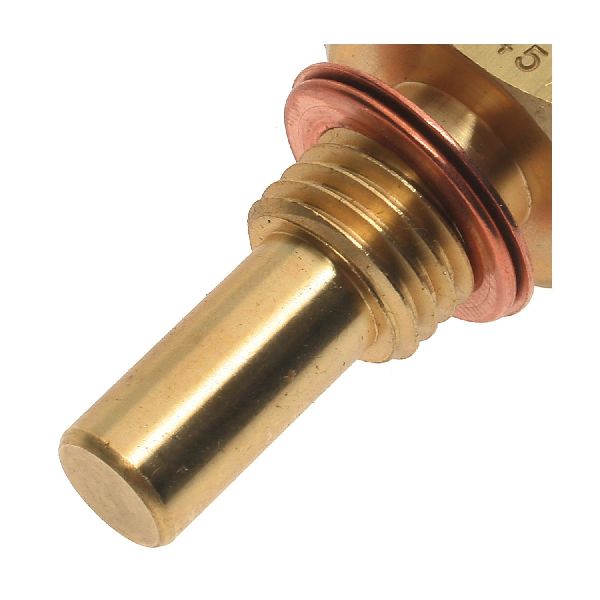
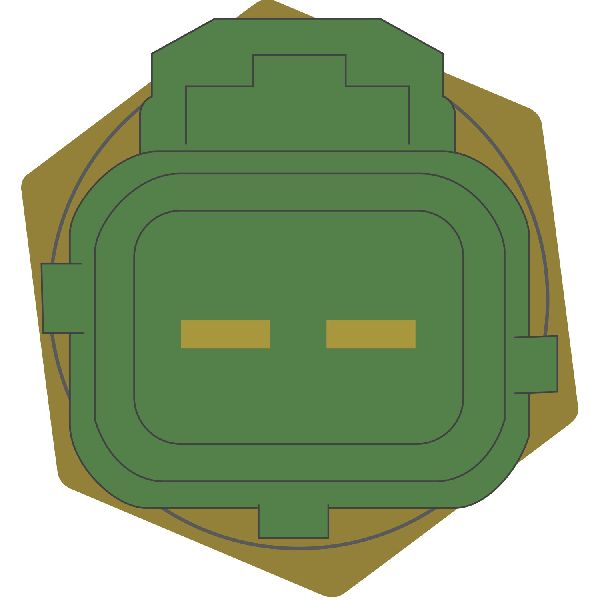
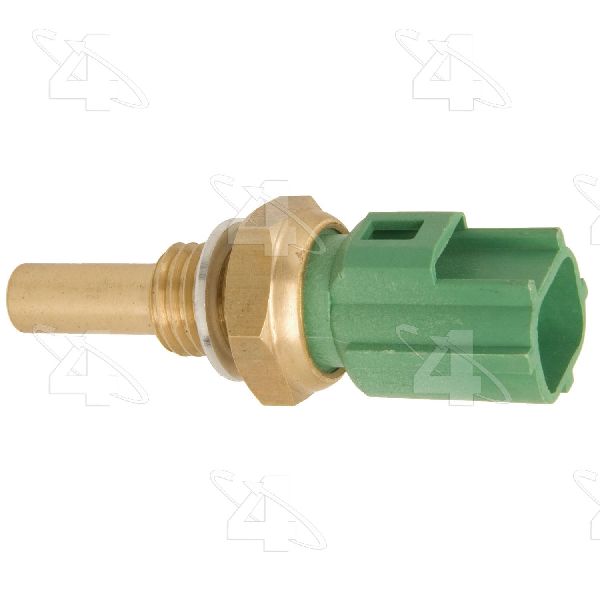
The sensor for the ECU typically has a 2-pin blade-style electrical connector. The sensor for the temperature gauge may have a single spade terminal. Always visually match your old part to the new one.
We Have This Part in Stock


The information in this article is provided for general reference and educational purposes only. Vehicle specifications, procedures, and part compatibility can vary by production date, trim level, and region. Always consult your vehicle's factory service manual and verify part numbers before purchasing or performing repairs. Safety-critical components such as airbags, seat belts, and braking systems should be installed by a qualified professional.
- GMC Tracker: