

Suspension Shock Absorber Guide for the 1989-1991 GMC Tracker
Restore your Tracker's ride quality and handling by choosing the right new aftermarket shock absorbers.
- Worn shocks are a safety issue, affecting braking and handling.
- For this vehicle, aftermarket shocks are the standard replacement; KYB offers excellent quality, while Monroe is a solid mid-range choice.
- Always replace shocks in pairs (both rear or both front) to maintain vehicle stability.
- Replacing the rear shocks is a manageable DIY task for those with basic tools and experience.
Is it Time for New Shocks on Your Tracker?
If your GMC Tracker feels more like a boat on the waves than a car on the road, your shock absorbers are likely worn out. Shocks are a normal wear item, and on a vehicle from this era, they have probably been replaced at least once. Ignoring bad shocks doesn't just make for an uncomfortable ride; it's a safety issue that can affect braking and handling.
Symptoms of Failing Shock Absorbers
Watch for these common signs that your Tracker's shocks need replacement:
🎬 See a visual guide on identifying signs of bad shocks.- Excessive Bouncing: After hitting a bump, the vehicle continues to bounce up and down. A good test is to push down firmly on one corner of the bumper; if it bounces more than once, the shock is weak.
- Nose-Diving or Squatting: The front end dips excessively when you brake, or the rear end squats down when you accelerate.
- Body Roll: The Tracker leans or sways too much when turning or changing lanes.
- Fluid Leaks: A visible oil leak on the body of the shock absorber is a clear sign of failure. However, a light film of oil can be normal.
- Uneven Tire Wear: Worn shocks can cause a pattern of wear on your tires called "cupping" or "scalloping."
- Harsh Ride: Feeling every single bump in the road is a sign the shocks are no longer absorbing impacts effectively.
Known Issues, Recalls, and Bulletins
My search for recalls and technical service bulletins (TSBs) specific to the 1989-1991 GMC Tracker's shock absorbers on the NHTSA database did not yield any results. However, General Motors has issued general service bulletins (like 05-03-08-002I) that provide guidance for technicians on diagnosing shock absorber fluid leaks, distinguishing between normal seepage and a component that needs replacement. Normal seepage is described as a light oil film, while a leak that requires replacement involves a trail of oil or an extremely wet shock body.
Choosing the Right Aftermarket Shocks for Your Tracker
For a vehicle like the 1989-1991 GMC Tracker, the original OEM shocks are likely no longer available or are very expensive. The aftermarket offers a wide range of options that can meet or even exceed the original performance. Here’s a breakdown of the available brands, from budget-friendly to premium.
🎬 Check out this buying guide for the best shock absorbers.Brand Tier Comparison
Economy Tier: FCS Struts & PRT
Brands like FCS and PRT offer a budget-friendly solution. They are a good choice if you need to get your Tracker back on the road for minimal cost, or if you're selling the vehicle. Owner and mechanic feedback suggests that while these brands have improved, their long-term durability might not match more expensive options. Some users report FCS shocks can be lightweight compared to originals and may not last as long. PRT is noted for producing a wide range of shocks and being an OEM supplier for some manufacturers.
Mid-Tier: Monroe
Monroe is a well-known brand that often provides a good balance of quality and price. They are frequently considered a reliable replacement for original equipment. Some users find their ride to be stiffer than the original, which can improve handling and reduce body roll but may be less comfortable for some drivers. Monroe's quality can vary between their different product lines, with some of their economy shocks being lower quality.
Premium Tier: KYB
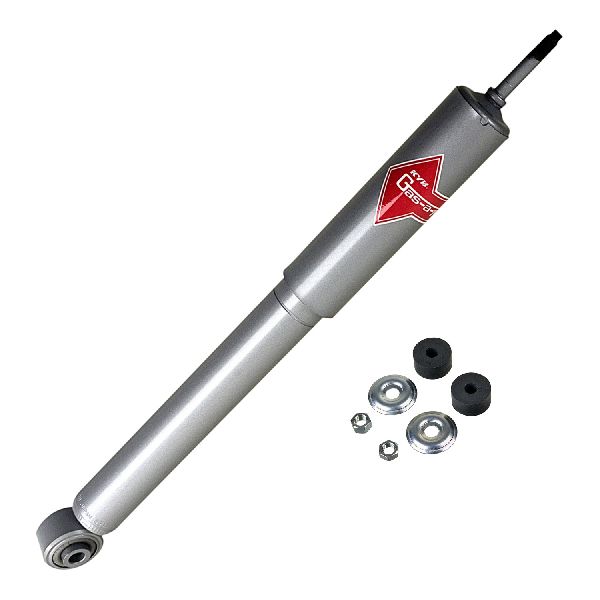
KYB is a highly respected brand and a major supplier of OEM shocks to car manufacturers. Their Excel-G line is often recommended as a direct factory replacement that restores the original ride and handling characteristics. Many owners and mechanics consider KYB a top choice for a combination of performance, durability, and value, often lasting for many miles. They are generally considered a step up from many standard aftermarket options.
Pro Tip: Always replace shock absorbers in pairs (both front or both rear) to ensure even handling and stability. Mismatched shocks can cause unpredictable vehicle behavior and accelerate wear on the new part.
Estimated Replacement Costs
| Category | Price Range |
|---|---|
| New Aftermarket Shock Absorbers (Pair) | $60 - $155 |
| Estimated Shop Labor (Pair) | 🎬 Watch this breakdown of shock symptoms and typical replacement costs.$100 - $250 |
Cost estimates are for parts and labor and can vary based on your location and the specific repair shop.
Frequently Asked Questions
Can I replace just one bad shock absorber?
It is strongly recommended to replace shocks in pairs for the same axle (both front or both rear). A new shock will have different damping characteristics than the old one on the other side, which can lead to poor handling, instability, and faster wear on the new shock.
Is replacing GMC Tracker shocks a DIY job?
Yes, for many home mechanics, replacing the rear shock absorbers on a 1989-1991 GMC Tracker is a feasible DIY project. The rear shocks are typically mounted with simple bolts at the top and bottom and do not require special tools like spring compressors. Access is generally good. The job usually requires basic hand tools, a jack, and jack stands for safety.
How are shocks different from struts?
A shock absorber's only job is to dampen spring movement. A strut is a structural part of the suspension that also includes the shock absorber and a coil spring in one assembly. Your GMC Tracker uses shock absorbers in the rear suspension.
Will new shocks change my Tracker's ride height?
Standard replacement shocks should not change your vehicle's ride height. Ride height is determined by the springs. However, if your old shocks were completely worn out and causing the suspension to sag, you might notice the vehicle sits correctly after installing new shocks. Some aftermarket shocks, particularly those for lifted vehicles, are longer and will affect ride height.
Helpful Videos

![Top 5: Best Shock Absorbers 2024 [Buying Guide]](https://img.youtube.com/vi/nMNSYEgJlzE/mqdefault.jpg)
Technical Specifications
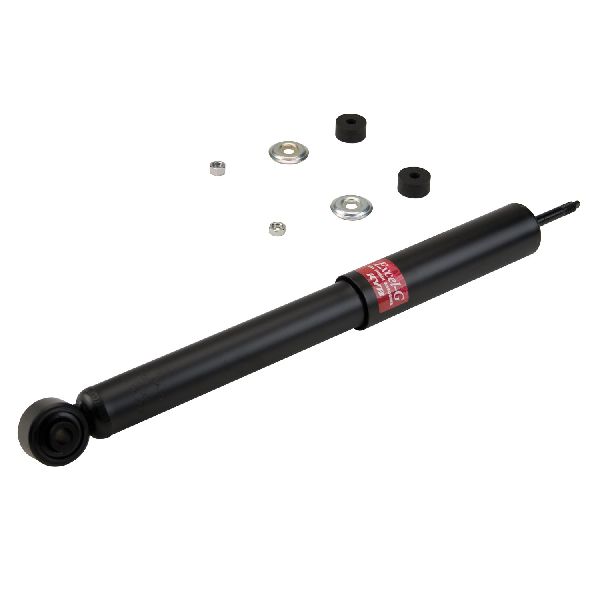
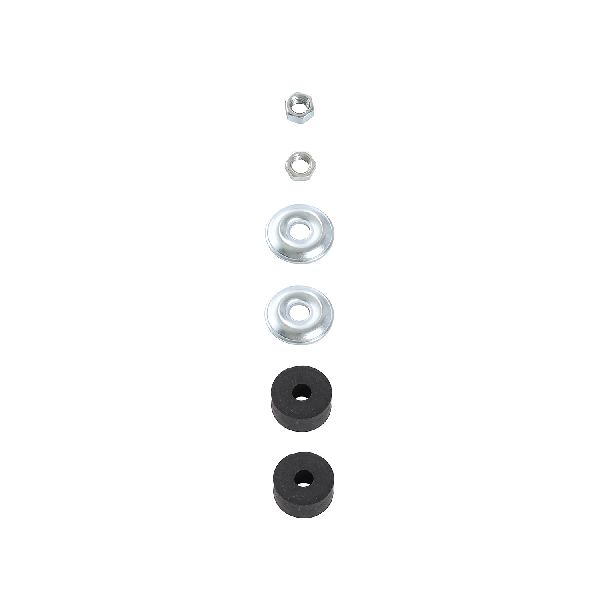
The 1989-1991 GMC Tracker uses a twin-tube, gas-charged shock absorber for the rear suspension. Mounting is typically a stem mount at the top and an eyelet mount at the bottom.
We Have This Part in Stock


The information in this article is provided for general reference and educational purposes only. Vehicle specifications, procedures, and part compatibility can vary by production date, trim level, and region. Always consult your vehicle's factory service manual and verify part numbers before purchasing or performing repairs. Safety-critical components such as airbags, seat belts, and braking systems should be installed by a qualified professional.
- GMC Tracker: