

Chevrolet S10 Automatic Transmission Mount Guide (1989-1993)
Stop the clunking and vibration by choosing the right transmission mount for your S10 pickup.
- Symptoms of a bad mount include clunking noises, vibrations, and a feeling of the transmission shifting.
- For most S10 owners, a standard aftermarket rubber mount (Anchor, DEA, Westar) is a cost-effective solution.
- For performance or heavy-duty use, a polyurethane mount (Prothane, Lakewood) is a durable upgrade but will increase cabin vibration.
- No recalls or TSBs were found for this specific part and vehicle range, failure is due to age and wear.
Is Your S10's Transmission Mount Failing?
On an older truck like the 1989-1993 S10, the rubber in the original transmission mount has likely become hard, cracked, or soaked with oil. When it fails, the transmission can move and shake more than it should. This leads to noticeable problems while you're driving.
Common Failure Symptoms
🎬 Watch this video to see common bad transmission mount symptoms.- Clunking Noises: You might hear a loud clunk or bang when you accelerate, brake hard, or shift between Drive and Reverse. This is the sound of the transmission moving around and hitting other parts.
- Excessive Vibration: A worn mount can't absorb vibrations anymore. You'll feel a shaking or buzzing in the floor, steering wheel, or seats, especially when accelerating.
- Drivetrain Movement: In some cases, you can feel the whole engine and transmission assembly shift or lurch when you step on the gas.
Don't Ignore a Bad Mount
Continuing to drive with a completely failed transmission mount can cause bigger problems. The extra movement can put stress on engine mounts, driveshaft components, and even exhaust pipes, leading to more expensive repairs down the road.
Choosing the Right Aftermarket Mount
For a 1989-1993 S10, you don't need to hunt down an expensive original part. Aftermarket mounts offer good value and come in a few different types. Your choice depends on your budget and how you use your truck.
Brand Tiers for Your S10
| Tier | Brands | Description |
|---|---|---|
| Standard Replacement | Anchor, DEA, Westar, Skyward, Pioneer | These brands offer direct, OE-style rubber mounts. They are affordable and designed to restore the original ride quality. They are a good choice for a daily driver or work truck where comfort is important. Forum discussions suggest that while they are budget-friendly, their long-term durability can sometimes be inconsistent compared to OEM or performance options. |
| Performance Polyurethane | Prothane, Lakewood | These mounts use polyurethane instead of rubber. Polyurethane is a much stiffer material that is resistant to oil and chemicals. This is an upgrade for performance applications, as it reduces drivetrain movement and sends more power to the wheels. The downside is that it transmits more vibration into the cab, so the ride will be noticeably harsher. These are best for street/strip use or heavy-duty applications. |
Pro Tip: Rubber or Polyurethane?
If you use your S10 as a comfortable daily driver, stick with a standard rubber mount. If you have a modified engine, use your truck for towing, or want the most durable option and don't mind extra vibration, a polyurethane mount is a great upgrade.
Known Issues, Recalls, and TSBs
A search of the National Highway Traffic Safety Administration (NHTSA) database and other public records found no recalls or Technical Service Bulletins (TSBs) specifically related to the automatic transmission mount for the 1989-1993 Chevrolet S10. Any failures are typically due to the age and wear of the original rubber components.
Frequently Asked Questions (FAQ)
How do I know if I need a new transmission mount?
The most common signs are clunking noises when you shift or accelerate, and new vibrations you can feel in the floor or seat. You can also visually inspect the mount. If the rubber is cracked, separated from the metal, or looks collapsed, it's time for a replacement.
Is it hard to replace an S10 transmission mount?
For a 1989-1993 S10, replacing the transmission mount is a fairly straightforward job for a DIY mechanic with the right tools. The basic process involves supporting the transmission with a jack, unbolting the mount from the crossmember and the transmission, and installing the new part. It does not typically require removing the entire crossmember.
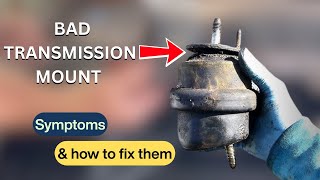
🎬 Learn how to identify and fix a bad transmission mount.Should I replace my engine mounts at the same time?
It's a good idea to inspect your engine mounts when you replace the transmission mount. A bad transmission mount can put extra stress on the engine mounts, and vice-versa. If they are the same age and show signs of wear, replacing them all at once can save you from doing a similar job again soon.
What's the difference between an automatic and manual transmission mount?
While they look similar and serve the same function, the specific part numbers for automatic and manual transmission mounts on an S10 can be different. Always make sure you are ordering the correct part for your specific truck's configuration to ensure proper fitment.
Helpful Videos
Technical Specifications
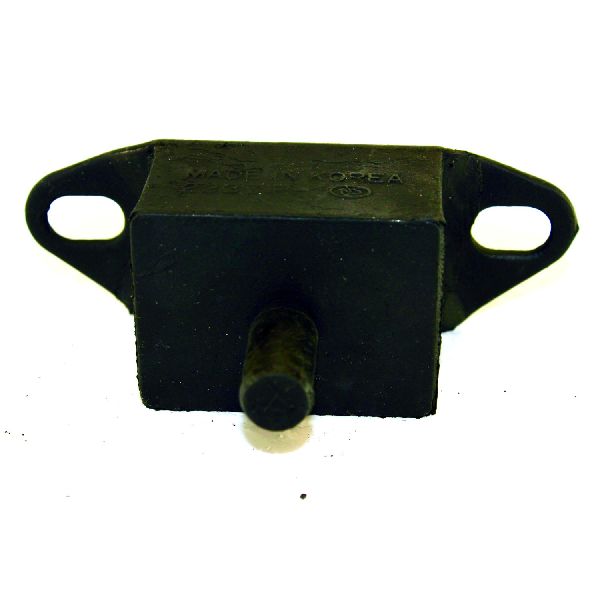
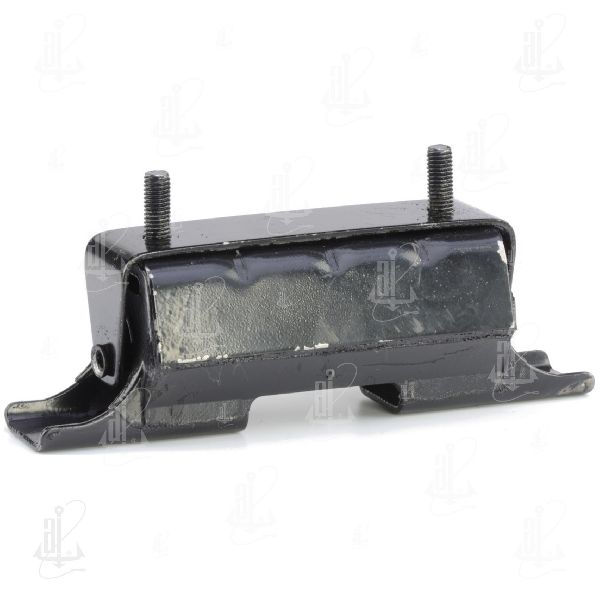
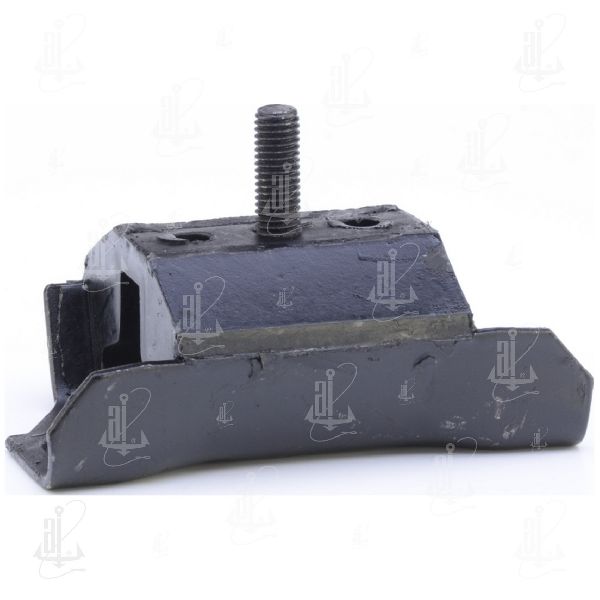
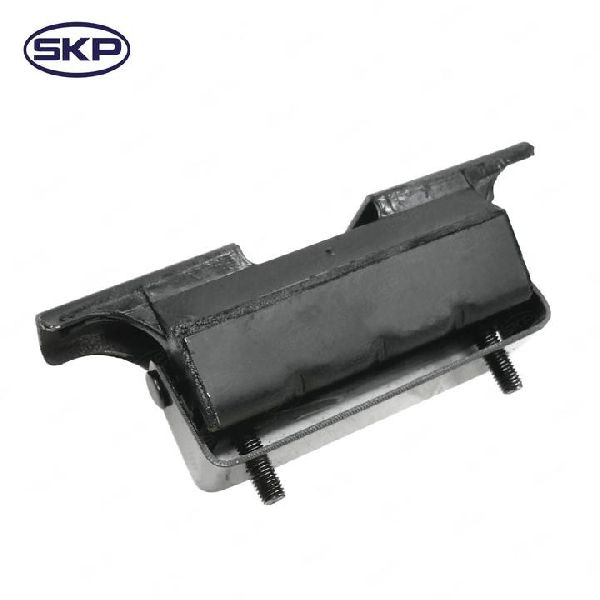
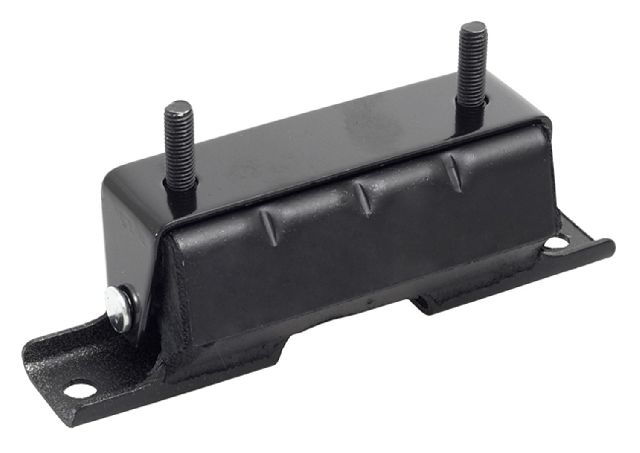
The standard mount is a block-style design with a rubber core bonded between two metal plates. One side bolts to the transmission extension housing and the other to the frame crossmember. Polyurethane versions replace the rubber with a more durable but stiffer polyurethane insert.
We Have This Part in Stock


The information in this article is provided for general reference and educational purposes only. Vehicle specifications, procedures, and part compatibility can vary by production date, trim level, and region. Always consult your vehicle's factory service manual and verify part numbers before purchasing or performing repairs. Safety-critical components such as airbags, seat belts, and braking systems should be installed by a qualified professional.
- Chevrolet S10: