

A Guide to Spark Plugs for the 1989-1993 Dodge D150
Keep your classic Dodge truck running strong by choosing the right spark plugs for its engine.
- The correct spark plug gap for most 1989-1993 D150 engines is 0.035 inches; always verify this before installation.
- Standard copper plugs from brands like Champion or NGK are an excellent, budget-friendly choice that works very well with these older ignition systems.
- Upgrading to platinum or iridium plugs can provide a longer service life, but basic copper plugs changed more frequently offer great performance.
- No major spark plug-related recalls or TSBs exist for this specific vehicle generation, so most issues are due to normal wear.
Signs of Failing Spark Plugs
Worn-out spark plugs can cause a number of noticeable problems in your D150. Because these trucks use a simple and robust ignition system, they are very sensitive to the condition of the plugs. If you experience any of these symptoms, it might be time for a new set.
- Rough Idle: One of the most common signs is a shaky or vibrating engine when you're stopped.
- Poor Acceleration: You might feel like your truck is sluggish or hesitant when you press the gas pedal.
- Reduced Fuel Economy: If you're filling up the tank more often, failing plugs could be wasting fuel.
- Hard Starting: A weak spark makes it difficult for the engine to turn over, especially when cold.
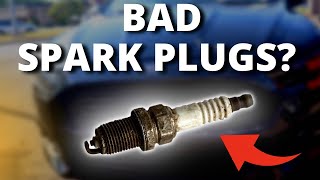
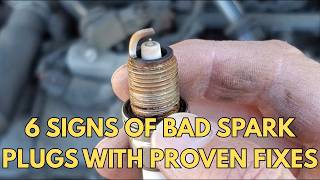
- Engine Misfires: You may feel a stumble or jerking from the engine while driving. This can trigger the Check Engine Light. 🎬 Watch: A visual guide to common symptoms of bad spark plugs.
Choosing the Right Aftermarket Spark Plugs
For a 1989-1993 Dodge D150, you don't need to buy expensive OEM parts from a dealer. The aftermarket offers a wide range of quality spark plugs that meet or exceed original specifications. The best choice depends on your budget and how you use your truck.
Spark Plug Brand Tiers for Your D150
| Tier | Brands & Materials | Best For |
|---|---|---|
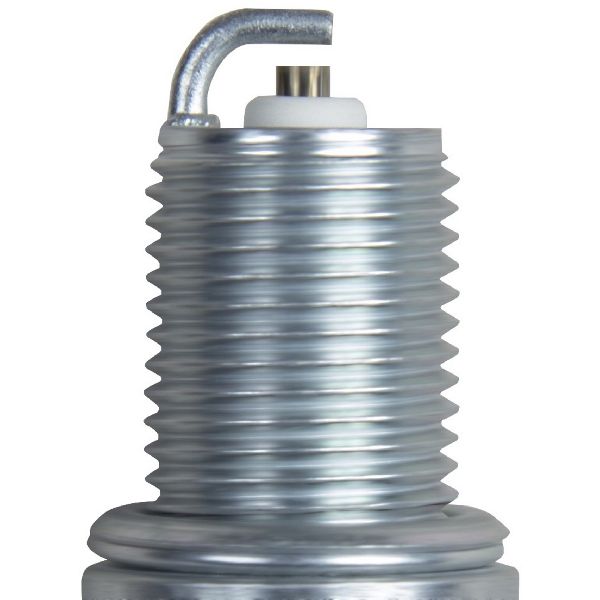
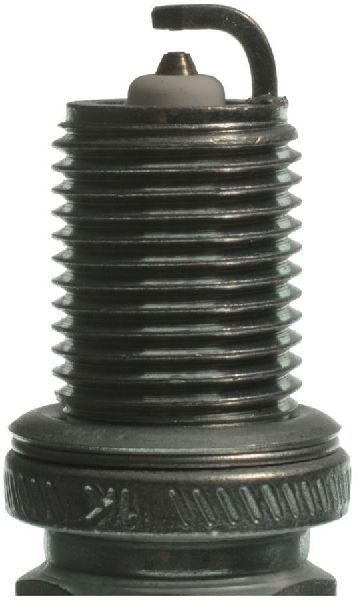
| Good (Standard Replacement) | Champion (Copper Plus), Autolite (Copper), NGK (Standard Nickel) | These are excellent, budget-friendly choices that are very similar to what your truck came with from the factory. Copper plugs provide a strong spark and are great for these older engines, but they have a shorter lifespan and should be checked or changed more frequently, typically every 30,000 miles. Many Mopar enthusiasts stick with standard Champion plugs for originality and reliable performance. |
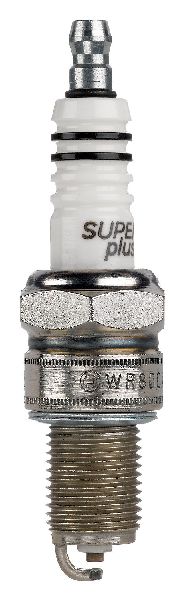
| Better (Longer Life) | Bosch (Platinum), NGK (G-Power Platinum), Autolite (Platinum) | Platinum plugs are a good upgrade over standard copper. They have a platinum disc on the center electrode which resists wear, providing a longer service life of around 60,000 miles. They offer a consistent spark over a longer period, making them a good middle-ground option. |
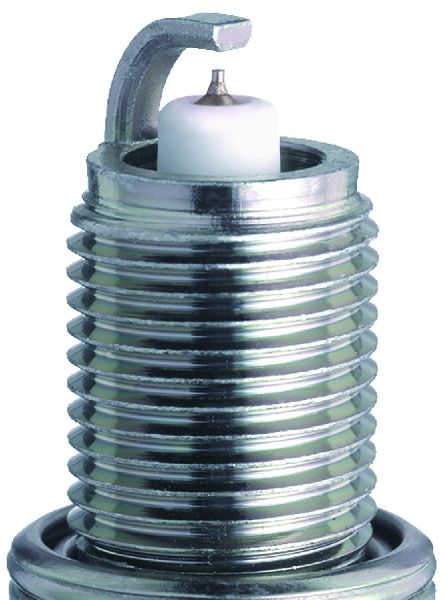
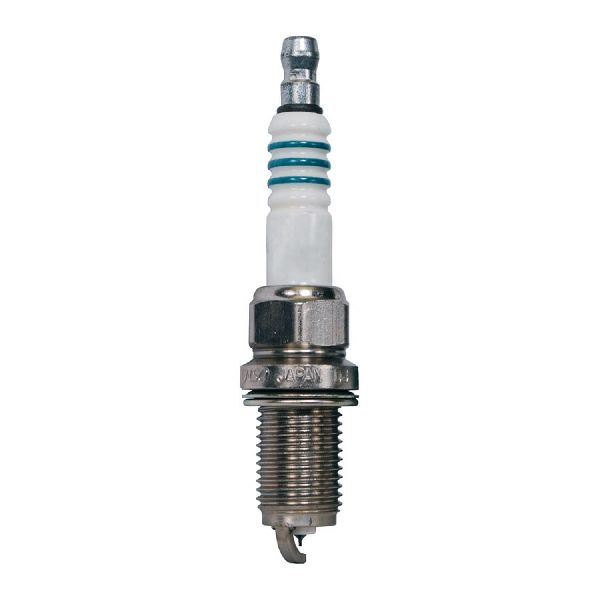
| Best (Performance & Longevity) | NGK (Iridium IX), Denso (Iridium), Bosch (Iridium) | Iridium is an extremely hard and durable precious metal. These plugs have a very fine-wire center electrode that requires less voltage to create a spark, offering excellent ignitability and throttle response. They have the longest lifespan, often lasting up to 100,000 miles, and provide the most consistent performance, though they are the most expensive option. |
Check The Gap!
The most critical step when installing new spark plugs is ensuring the gap is set correctly for your specific engine. While many plugs come pre-gapped, they can be knocked out of spec during shipping. Always verify the gap with a spark plug gapping tool before installation. 🎬 Watch: How to use a gapping tool to set your gap properly. An incorrect gap can lead to misfires, poor performance, and bad fuel economy. For most V6 and V8 engines in the 1989-1993 D150, the recommended spark plug gap is 0.035 inches. However, always check the emissions label under your hood or your owner's manual for the exact specification.
Known Issues, Recalls, and TSBs
Searches for official recalls and Technical Service Bulletins (TSBs) from the National Highway Traffic Safety Administration (NHTSA) did not reveal any specific spark plug-related recalls or widespread issues for the 1989-1993 Dodge D150. Any issues found were for much newer vehicles and do not apply to this generation of trucks. Common problems reported by owners are typically related to normal wear and tear, such as misfires from worn plugs or incorrect gapping.
A Note on Brands from Mechanics
Many owners of classic Mopar vehicles, including the D150, are loyal to Champion copper plugs, as they were often the original equipment. However, many experienced mechanics and enthusiasts also highly recommend NGK plugs for their consistent quality and performance, even in budget-friendly versions like the V-Power line. Ultimately, both Champion and NGK are considered safe and reliable choices for these trucks.
Frequently Asked Questions (FAQ)
How often should I change the spark plugs on my D150?
It depends on the type of plug. Standard copper plugs should be changed every 30,000 miles. Platinum plugs can last up to 60,000 miles, and Iridium plugs can go as long as 100,000 miles. Given the age of the vehicle, it's a good idea to inspect them annually regardless of mileage.
What is the correct spark plug gap for my Dodge D150?
The most commonly cited spark plug gap for the V6 and V8 engines in this truck is 0.035 inches. However, you should always confirm this by checking the vehicle's emissions sticker under the hood or consulting a repair manual for your specific engine (3.9L V6, 5.2L V8, or 5.9L V8).
Do I need special tools to change my spark plugs?
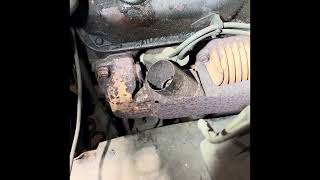
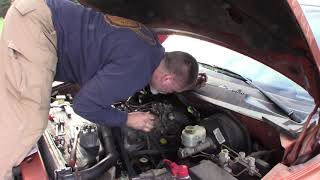
You will need a ratchet, a few extensions of various lengths, and a spark plug socket (commonly 5/8" or 13/16" for these trucks). 🎬 See this walkthrough for replacing plugs and wires on a D150. A spark plug gap tool is also essential to check and set the gap. Applying a small amount of dielectric grease to the inside of the spark plug wire boot is also recommended to prevent corrosion and make future removal easier.
Should I use anti-seize on the new spark plug threads?
This is a debated topic. Some spark plug manufacturers, like NGK, apply a special trivalent metal plating to their plugs that prevents seizing and advise against using anti-seize, as it can cause you to over-torque the plugs. If you choose to use anti-seize, use only a very small amount on the threads and reduce the manufacturer's torque specification to avoid damaging the cylinder head.
Helpful Videos

Technical Specifications
OEM Part Numbers: RC12YC RN12YC RN14PMC
Spark Plug Gap: 0.035" (Verify on vehicle emissions label) Engine Compatibility: 3.9L V6, 5.2L V8, 5.9L V8
We Have This Part in Stock


The information in this article is provided for general reference and educational purposes only. Vehicle specifications, procedures, and part compatibility can vary by production date, trim level, and region. Always consult your vehicle's factory service manual and verify part numbers before purchasing or performing repairs. Safety-critical components such as airbags, seat belts, and braking systems should be installed by a qualified professional.
- Dodge D150: