

1989-1993 Dodge W350 Throttle Position Sensor: A Comprehensive Guide
Solve the common and frustrating automatic transmission shifting problems in your First Gen Dodge Cummins truck.
- The TPS on this truck is primarily for controlling the automatic transmission's overdrive shift, not for engine management.
- Erratic shifting, especially involving overdrive, is the number one symptom of a failing TPS.
- Replacement is very easy, but the new sensor MUST be adjusted with a voltmeter to achieve the correct voltage at idle for proper shifting.
- Aftermarket quality varies, with brands like Delphi and Standard Ignition generally being more reliable than budget options.
Understanding the Role of the TPS in Your First Gen Dodge
If you own a 1989-1993 Dodge W350 with a Cummins engine and an automatic transmission, the Throttle Position Sensor (TPS) is a part you should get to know. Unlike on modern trucks, its main purpose isn't for the engine—it's for the transmission. This sensor is a known weak point, with many owners in forums reporting they have replaced it multiple times. The good news is that it is easy to access and replace, and understanding its function can save you from an expensive and incorrect transmission diagnosis.
Symptoms of a Failing Throttle Position Sensor
The signs of a bad TPS on this specific truck are almost always related to the transmission's behavior. Because the sensor's signal gets weak, noisy, or cuts out, the transmission computer gets confused.
- Erratic Shifting or No Overdrive: The most common symptom by far. The truck may refuse to shift into overdrive (fourth gear), or it may shift in and out of overdrive randomly while driving at a steady speed. This can feel like the transmission is slipping.
- Engine Surging or Bucking: You might feel the truck buck or surge, especially at highway speeds, as the transmission hunts for the right gear or as the torque converter locks and unlocks.
- Sudden Drop to Idle: In some cases, the engine may suddenly drop to idle speed even with your foot on the pedal, and then come back to life after a few seconds.
Transmission Problem or Just a Sensor?
Many owners have feared their automatic transmission needed a rebuild when the real culprit was this inexpensive sensor. If you are experiencing overdrive shifting issues, the TPS should be the very first part you inspect and test.
Choosing the Right Aftermarket TPS
While an OEM sensor from Mopar would have been the top choice, they are now very expensive and difficult to find. You will likely be choosing from aftermarket brands. Quality can be hit-or-miss, so it's important to know the players.
- Premium Aftermarket (Delphi, Standard Ignition): Brands like Delphi are often original equipment manufacturers for many car companies and are generally considered to be a reliable choice, close to factory quality. Standard Motor Products (SMP) also has a reputation for making quality electronic components. These are a solid bet for durability.
- Standard Aftermarket (Dorman): Dorman is a widely available brand that offers a direct replacement for this truck (part number 904-342). Their quality can be inconsistent; some parts are excellent, while others are merely adequate. It's a viable option, but may not have the longevity of a premium brand.
- Value Brands (Walker, NGK, True Tech, etc.): These brands offer the lowest price point. While tempting, some forum users have reported issues like incorrect idle speeds immediately after installing budget sensors. They can work in a pinch, but carry a higher risk of early failure or performance issues.
Installation and Critical Adjustment
Replacing the TPS is a very simple job that most owners can do themselves in under 30 minutes.
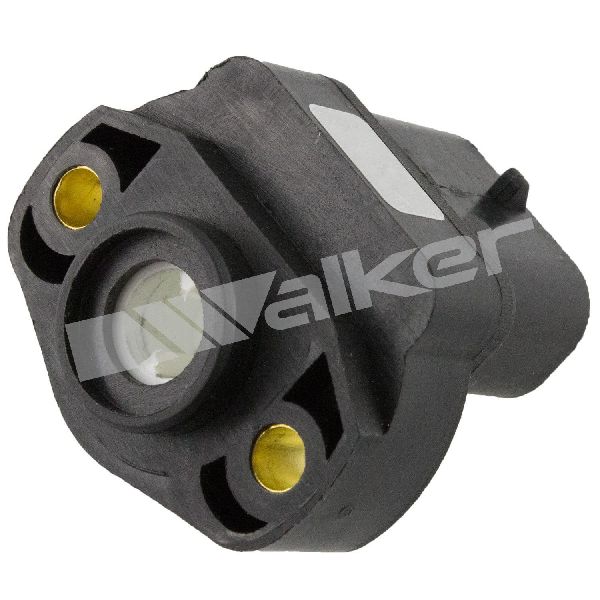
- Location: The TPS is located on the driver's side of the engine, mounted to the throttle linkage on the VE injection pump.
- Removal: Disconnect the electrical plug. Remove the two mounting bolts (usually 10mm or T20 Torx screws). The sensor will then come off.
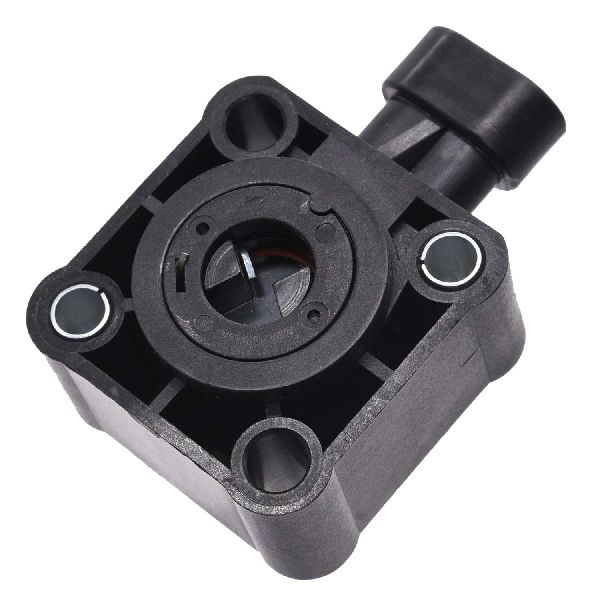
- Installation: Bolt the new sensor in place, but leave the bolts just loose enough so the sensor can be rotated slightly in its slotted holes.
- Adjustment (Required): This is the most important step. Using a multimeter, you must set the voltage. With the key in the 'ON' position (engine off), probe the center wire of the TPS connector. Rotate the sensor until you read approximately 1.0 volt at idle. Tighten the bolts and verify that the voltage smoothly increases as you move the throttle to wide open.
Pro Tip: Use Dielectric Grease
Many TPS failures are suspected to be caused by water getting into the electrical connector, especially since it sits in a vulnerable spot in the engine bay. When installing your new sensor, apply a generous amount of dielectric grease to the connector plug to seal it from moisture and extend its life.
Cost of a New Throttle Position Sensor
| Part Type | Estimated Cost |
|---|---|
| New Aftermarket | $33 - $148 |
| Shop Labor | $50 - $100 |
| Total Professional Replacement | $83 - $248 |
Frequently Asked Questions
Is the TPS on a 1989-1993 W350 adjustable?
Yes. For the Cummins diesel models with an automatic transmission, adjusting the TPS is a required step for proper function. The sensor has slotted mounting holes that allow it to be rotated to set the correct idle voltage, which is critical for proper transmission shifting.
Why does my truck shift in and out of overdrive?
This is the classic symptom of a failing TPS. The sensor is sending an erratic voltage signal to the computer, causing the transmission to hunt for the correct gear or unlock the torque converter. Checking the TPS voltage should be your first diagnostic step.
Can I just unplug a bad TPS?
If you unplug the TPS, the transmission will not receive a signal and will not shift into overdrive. This is a temporary diagnostic step some people use to confirm the TPS is the problem, but it is not a long-term solution.
Can a bad TPS damage my transmission?
While it won't cause immediate mechanical damage, the constant shifting and torque converter unlocking can create extra heat and wear on the transmission clutches over time. It is best to replace a faulty sensor as soon as possible to ensure transmission longevity.
Technical Specifications
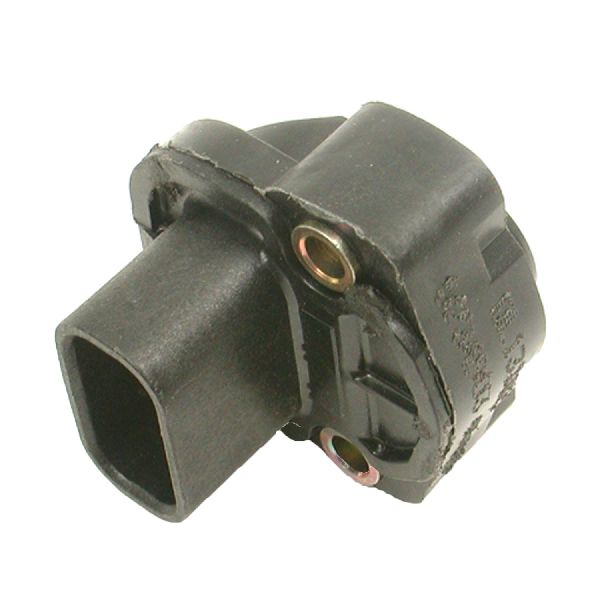
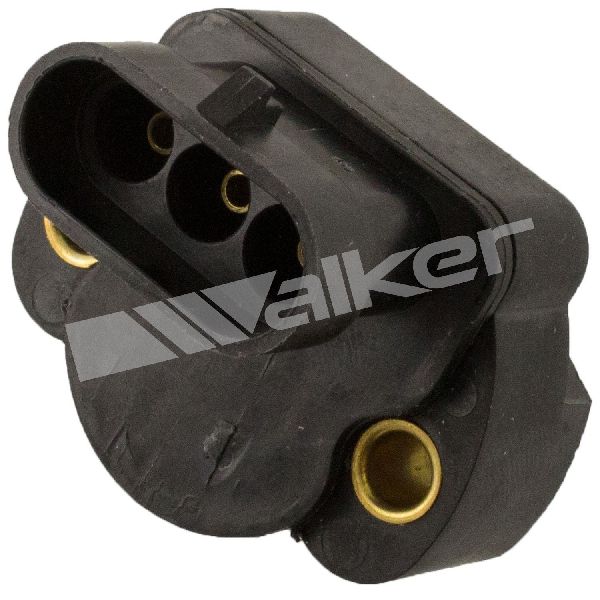
Location: Mounted on the VE injection pump. Connector: 3-pin. Adjustment: Requires setting to ~1.0V at idle. Aftermarket P/N Example: Dorman 904-342.
We Have This Part in Stock


The information in this article is provided for general reference and educational purposes only. Vehicle specifications, procedures, and part compatibility can vary by production date, trim level, and region. Always consult your vehicle's factory service manual and verify part numbers before purchasing or performing repairs. Safety-critical components such as airbags, seat belts, and braking systems should be installed by a qualified professional.
- Dodge W350:
- 🛍️ Shop This Part
- Understanding the Role of the TPS in Your First Gen Dodge
- Symptoms of a Failing Throttle Position Sensor
- Transmission Problem or Just a Sensor?
- Choosing the Right Aftermarket TPS
- Installation and Critical Adjustment
- Pro Tip: Use Dielectric Grease
- Cost of a New Throttle Position Sensor
- Frequently Asked Questions
- 🎟️ Get 5% Off