

Replacing the Brake Hydraulic Hoses on Your 1989-1993 Mercedes-Benz 300D
Address spongy brakes and potential leaks by replacing the original rubber brake hoses on your W124.
- Brake hoses are a critical safety item that degrade with age; on a 1989-1993 300D, they are due for replacement.
- A spongy pedal, fluid leaks, or pulling to one side are all urgent signs of brake hose failure.
- Using an 11mm flare nut wrench is essential to avoid stripping the soft fittings on the car's hard brake lines during replacement.
- Always bleed the entire brake system thoroughly after replacing any hoses and before driving the vehicle.
Signs of a Failing Brake Hose
The rubber brake hoses on a 1989-1993 Mercedes-Benz 300D are now decades old. Age, heat, and constant flexing cause them to break down. Ignoring them can lead to a sudden loss of braking ability. Look for these warning signs:
- Spongy or Soft Brake Pedal: If your brake pedal feels mushy or travels further to the floor, it could be due to a hose bulging or expanding under pressure.
- Visible Cracks or Bubbles: Inspect the hoses near each wheel. Look for cracks, swelling, or blistering on the rubber surface.
- Brake Fluid Leaks: Puddles of clear or yellowish fluid under your car, especially near the wheels, are a clear sign of a leak. A low brake fluid level in the reservoir is another indicator.
- Car Pulling to One Side: An old hose can collapse internally, acting like a one-way valve. This can cause a caliper to stick, making the car pull to the left or right when you brake or drive.
Choosing the Right Aftermarket Brake Hose
For a safety-critical part like a brake hose, quality is important. However, even affordable aftermarket brands must meet Department of Transportation (DOT) standards. For your W124, you have several good options that balance cost and quality.
Aftermarket Brand Quality Tiers
| Tier | Brands | Notes |
|---|---|---|
| Good | Vaico, Centric | Vaico is a German brand known for supplying parts that meet or exceed OEM specifications. Centric is a well-regarded aftermarket brand frequently used by professional shops with positive feedback for quality and fitment. |
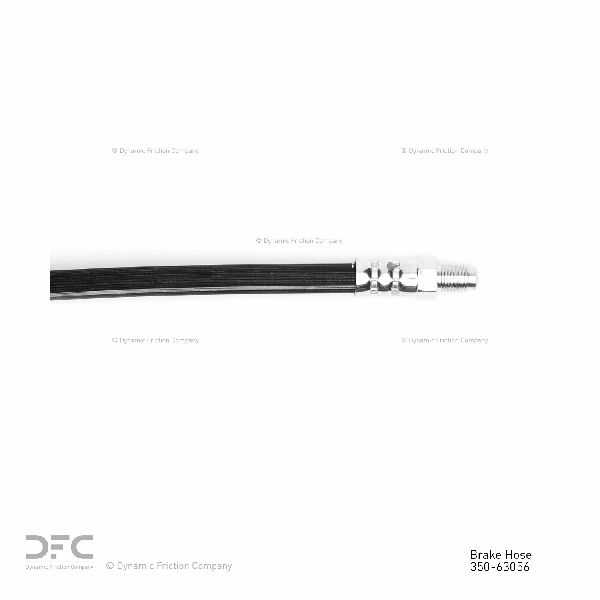
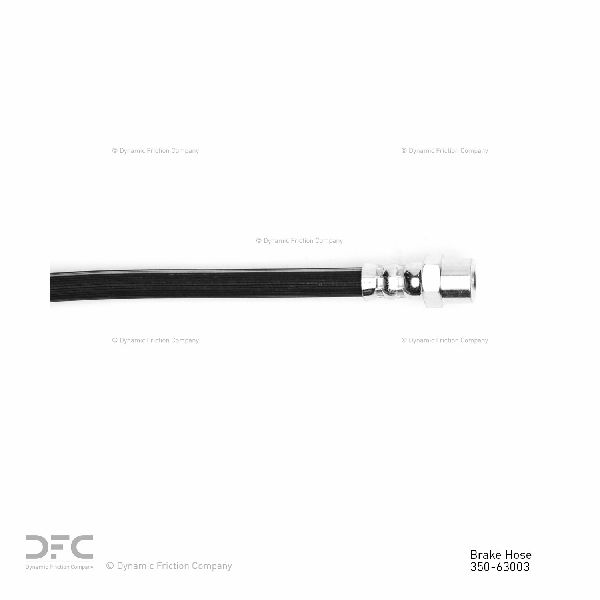
| Standard | Dorman, Sunsong, Dynamic Friction | These brands offer a cost-effective solution. Sunsong is a large manufacturer that sometimes supplies other brands. Dorman's quality can be inconsistent depending on the part, with some users reporting success and others having issues. All are required to meet DOT safety standards. |
Pro Tip: Replace in Pairs
Brake hoses degrade at a similar rate. If one hose has failed, the others are likely near the end of their service life. It is highly recommended to replace all four hoses (front left/right, rear left/right) at the same time for balanced braking performance and peace of mind.
Common Ordering Mistakes & Installation Tips
- Verify Position: Ensure you order the correct hoses for the front and rear, as they are different lengths and may have different fittings.
- Use a Flare Nut Wrench: The fittings on the original hard brake lines are made of soft metal and can be easily stripped. An 11mm flare nut wrench is essential to safely remove the old hoses without damaging the hard lines.
- Don't Twist the Hose: When installing the new hose, make sure it is not twisted. A twisted hose can fail prematurely. The hose should be routed to avoid rubbing on any suspension or wheel components.
- Bleed the Brakes: After installation, the entire brake system MUST be bled to remove any air that has entered the lines. Do not drive the vehicle until the brakes have been properly bled and the pedal feels firm.
Frequently Asked Questions (FAQ)
Is replacing a brake hose a difficult job?
For an experienced DIY mechanic, it is a manageable job. The main difficulty comes from rusted fittings. If you are not comfortable working on brake systems or do not have the right tools, like a flare nut wrench, it is best to have the work done by a qualified mechanic.
Should I upgrade to stainless steel braided hoses?
Stainless steel braided hoses are a popular performance upgrade. They reduce the hose's ability to expand under pressure, which results in a firmer, more responsive brake pedal. For daily driving, new standard rubber hoses from a quality brand are perfectly adequate. For spirited driving or track use, stainless lines are a worthwhile consideration.
What tools are required to replace the brake hoses?
You will need a jack and jack stands, a wheel lug wrench, an 11mm flare nut wrench for the hard line, a 17mm open-end wrench to counter-hold the hose, and a 14mm wrench for the caliper connection. You will also need a brake bleeding tool (either a vacuum pump, pressure bleeder, or a helper), fresh DOT 4 brake fluid, and a catch bottle for the old fluid.
Are there any recalls for the brake hoses on my 300D?
No, there are no active recalls or Technical Service Bulletins (TSBs) from Mercedes-Benz or the NHTSA specifically for the brake hydraulic hoses on the 1989-1993 300D (W124 chassis).
Technical Specifications
The system uses standard DOT 4 brake fluid. Hoses connect the chassis hard lines to the front and rear calipers. Essential tools include 11mm flare nut, 14mm, and 17mm wrenches.
We Have This Part in Stock


The information in this article is provided for general reference and educational purposes only. Vehicle specifications, procedures, and part compatibility can vary by production date, trim level, and region. Always consult your vehicle's factory service manual and verify part numbers before purchasing or performing repairs. Safety-critical components such as airbags, seat belts, and braking systems should be installed by a qualified professional.
- Mercedes-Benz 300D: